What does Leviticus 21:4 mean?
“But he shall not defile himself, being a chief man among his people, to profane himself.” — Leviticus 21:4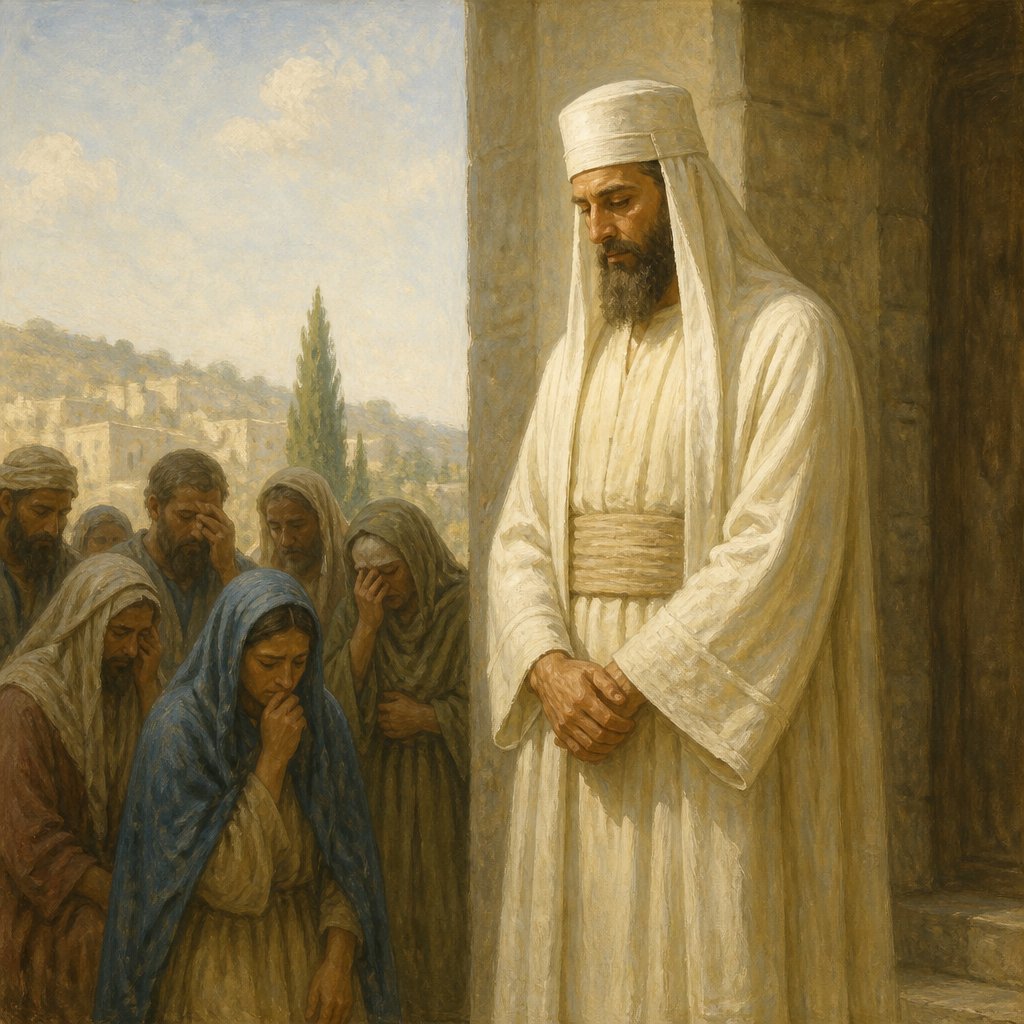
Leviticus 21:4 in the King James Version of the Bible reads, "But he shall not defile himself, being a chief man among his people, to profane himself." This verse is part of a larger passage in the book of Leviticus that outlines the standards for the behavior and conduct of the priests of Israel. The chapter as a whole focuses on the qualifications and restrictions placed upon the priests, emphasizing the need for them to maintain a level of holiness and purity in their actions and lifestyles.
The verse specifically addresses the idea that a chief man, or a high-ranking priest, should not defile himself in any way that would cause him to profane himself. To understand the significance of this command, it is important to consider the broader cultural and religious context of the time in which it was written.
In ancient Israelite society, priests held a special and revered position within the community. They were responsible for performing sacred rituals, offering sacrifices, and acting as intermediaries between the people and God. As such, they were expected to embody the highest standards of moral and spiritual purity.
The concept of defilement and profanation in this verse is closely tied to the idea of ritual purity and impurity that is pervasive throughout the Hebrew Bible. Acts such as coming into contact with a dead body, engaging in certain forms of sexual activity, or consuming forbidden foods could render a person ritually unclean. These impure states required specific rituals of purification to be performed before the individual could participate in temple worship or other sacred activities. The verse in Leviticus 21:4 can be seen as a specific instruction to the priests to avoid actions or behaviors that would result in their becoming ritually impure and unable to fulfill their sacred duties.
The language used in this verse also emphasizes the idea of the priests as leaders and role models within the community. The phrase "being a chief man among his people" underscores the importance of the priest's position and the impact that their behavior and conduct can have on the wider community. By maintaining their own purity and avoiding defilement, the priests were not only upholding the standards of holiness required for their specific role but also setting an example for others to follow.
From a symbolic perspective, this verse can be interpreted as a larger commentary on the relationship between personal holiness and communal responsibility. The priests, as representatives of the people before God, were called to maintain a level of purity and dedication that reflected the values of the entire community. Their actions not only affected their own ability to serve in a sacred capacity but also influenced the spiritual well-being of those around them.
In a more general sense, the verse can be seen as a call to all individuals in positions of leadership or influence to conduct themselves in a manner that upholds principles of moral and spiritual integrity. The emphasis on avoiding defilement and profanation can serve as a reminder to strive for inner purity and righteousness in all aspects of life, recognizing the impact that our actions can have on others.
Overall, Leviticus 21:4 carries a message of the importance of personal holiness, the responsibilities of leadership, and the interconnectedness of individual conduct and communal well-being. It reflects the broader themes of ritual purity, ethical behavior, and the sacred obligations of those in positions of authority. As such, it continues to offer valuable insights and guidance for those seeking to live lives of spiritual integrity and moral uprightness.
Get our apps


Artwork for Leviticus 21:4

Leviticus 21:4 - "But he shall not defile himself, being a chief man among his people, to profane himself."
"But he shall not defile himself, being a chief man among his people, to profane himself." - Leviticus 21:4

Leviticus 4:21 - "And he shall carry forth the bullock without the camp, and burn him as he burned the first bullock: it is a sin offering for the congregation."

Leviticus 23:21

Leviticus 23:21

Leviticus 23:21

Leviticus 23:21

Leviticus 23:21

Leviticus 23:21

Leviticus 21:19 - "Or a man that is brokenfooted, or brokenhanded,"

Leviticus 21:16 - "¶ And the LORD spake unto Moses, saying,"

Leviticus 21:13 - "And he shall take a wife in her virginity."

"Or a man that is brokenfooted, or brokenhanded," - Leviticus 21:19
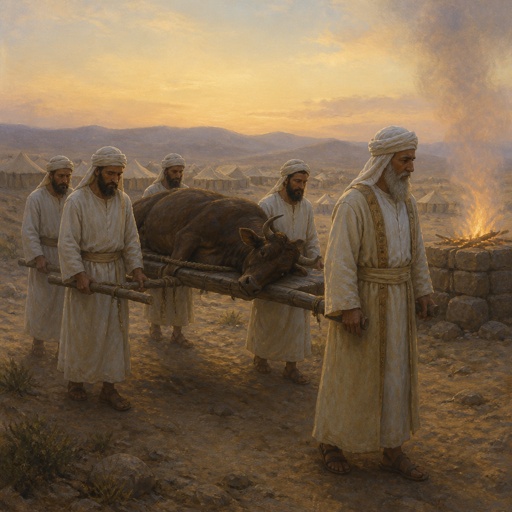
"And he shall carry forth the bullock without the camp, and burn him as he burned the first bullock: it is a sin offering for the congregation." - Leviticus 4:21

Leviticus 21:22 - "He shall eat the bread of his God, both of the most holy, and of the holy."

Leviticus 21:24 - "And Moses told it unto Aaron, and to his sons, and unto all the children of Israel."

Leviticus 26: 4-6

Leviticus 26: 4-6

Leviticus 26: 4-6

Leviticus 9:21 - "And the breasts and the right shoulder Aaron waved for a wave offering before the LORD; as Moses commanded."

Leviticus 21:20 - "Or crookbackt, or a dwarf, or that hath a blemish in his eye, or be scurvy, or scabbed, or hath his stones broken;"

Leviticus 4:1 - "And the LORD spake unto Moses, saying,"
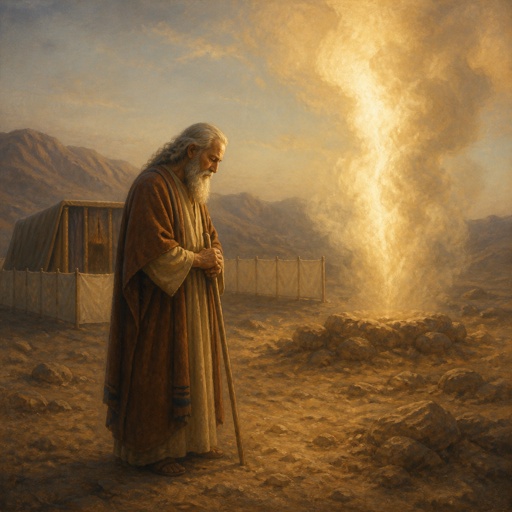
"¶ And the LORD spake unto Moses, saying," - Leviticus 21:16

Leviticus 24:21 - "And he that killeth a beast, he shall restore it: and he that killeth a man, he shall be put to death."

Leviticus 21:21 - "No man that hath a blemish of the seed of Aaron the priest shall come nigh to offer the offerings of the LORD made by fire: he hath a blemish; he shall not come nigh to offer the bread of his God."

Leviticus 27:4 - "And if it be a female, then thy estimation shall be thirty shekels."

Leviticus 25:21 - "Then I will command my blessing upon you in the sixth year, and it shall bring forth fruit for three years."

Leviticus 21:15 - "Neither shall he profane his seed among his people: for I the LORD do sanctify him."

Leviticus 21:3 - "And for his sister a virgin, that is nigh unto him, which hath had no husband; for her may he be defiled."

Leviticus 15:21 - "And whosoever toucheth her bed shall wash his clothes, and bathe himself in water, and be unclean until the even."