What does Leviticus 22:19 mean?
“Ye shall offer at your own will a male without blemish, of the beeves, of the sheep, or of the goats.” — Leviticus 22:19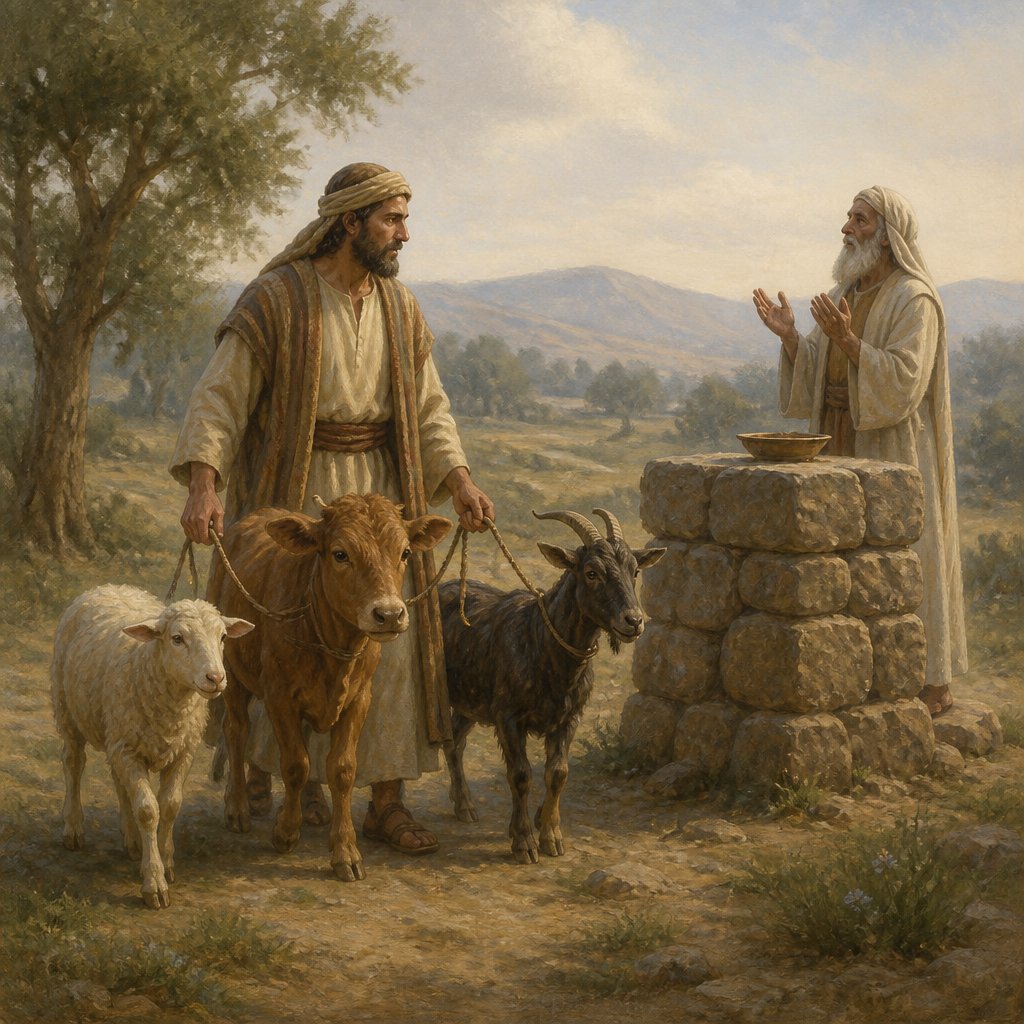
Leviticus 22:19 in the King James Version of the Bible states, "Ye shall offer at your own will a male without blemish, of the beeves, of the sheep, or of the goats." This verse is part of the Book of Leviticus, which is the third book of the Hebrew Bible and the Old Testament. It is primarily concerned with the system of sacrifices and rituals practiced by the Israelites in ancient times.
The verse is part of a larger passage in Leviticus 22 that outlines the requirements for offering sacrifices to the Lord. In this specific verse, the Lord commands the Israelites to offer male animals without blemish from their herds and flocks as voluntary offerings. The emphasis on the animals being without blemish underscores the idea of offering the best of what they have to the Lord.
The context of this verse is important for understanding its significance. In ancient Israel, animal sacrifices were an integral part of religious worship. These sacrifices were seen as a way for the Israelites to show their devotion to God and seek forgiveness for their sins. By offering animals without blemish, the Israelites were demonstrating their commitment to giving their best to the Lord.
One of the key themes in this verse is the concept of voluntary offering. The phrase "at your own will" suggests that the Israelites were not compelled to make these sacrifices, but rather they were encouraged to do so out of their own free will. This theme of voluntariness is significant because it highlights the idea of giving to God out of a genuine desire to honor and worship Him.
The emphasis on offering male animals without blemish also carries symbolic significance. In the Bible, the male gender is often associated with strength and leadership. By offering male animals, the Israelites were symbolically presenting the best and strongest members of their herds and flocks to the Lord. The requirement for the animals to be without blemish further signifies the importance of offering the best to God.
It is also important to note the specific reference to "beeves, of the sheep, or of the goats" in the verse. This demonstrates that the Lord accepted a variety of offerings from the Israelites, reflecting His generosity and willingness to receive offerings from different sources.
Moreover, this verse can also be interpreted in a broader sense, beyond its immediate context in ancient Israel. It can be seen as a reminder for believers to offer their best to God in every aspect of their lives. Just as the Israelites were called to offer animals without blemish, Christians today are encouraged to give their best to the Lord in terms of their time, talents, and resources.
In conclusion, Leviticus 22:19 is a verse that emphasizes the importance of voluntary offerings and the concept of giving one's best to God. It reflects the ancient Israelites' practice of offering male animals without blemish as a way to demonstrate their devotion and commitment to the Lord. The verse carries symbolic significance in its emphasis on offering the best and strongest members of their herds and flocks to God, and it also serves as a reminder for believers to give their best to the Lord in all aspects of their lives.
Get our apps


Artwork for Leviticus 22:19

Leviticus 22:19 - "Ye shall offer at your own will a male without blemish, of the beeves, of the sheep, or of the goats."
"Ye shall offer at your own will a male without blemish, of the beeves, of the sheep, or of the goats." - Leviticus 22:19

Leviticus 19:22 - "And the priest shall make an atonement for him with the ram of the trespass offering before the LORD for his sin which he hath done: and the sin which he hath done shall be forgiven him."
Leviticus 11:22

Leviticus 23:15-22

Leviticus 23:17-22

Leviticus 21:19 - "Or a man that is brokenfooted, or brokenhanded,"

Leviticus 22:17 - "¶ And the LORD spake unto Moses, saying,"

Leviticus 7:22 - "¶ And the LORD spake unto Moses, saying,"

Leviticus 22:1 - "And the LORD spake unto Moses, saying,"

Leviticus 22:26 - "¶ And the LORD spake unto Moses, saying,"

Leviticus 6:19 - "¶ And the LORD spake unto Moses, saying,"

Leviticus 19:1 - "And the LORD spake unto Moses, saying,"

Leviticus 18:22 - "Thou shalt not lie with mankind, as with womankind: it is abomination."

Leviticus 20:22-26 simple picture

Picture to summarize Leviticus 20:22-26

Leviticus 11:19 - "And the stork, the heron after her kind, and the lapwing, and the bat."

Leviticus 19:7 - "And if it be eaten at all on the third day, it is abominable; it shall not be accepted."

"Or a man that is brokenfooted, or brokenhanded," - Leviticus 21:19

Leviticus 5:19 - "It is a trespass offering: he hath certainly trespassed against the LORD."

Genesis 22:19

Leviticus 19:35 - "¶ Ye shall do no unrighteousness in judgment, in meteyard, in weight, or in measure."

Leviticus 22:20 - "But whatsoever hath a blemish, that shall ye not offer: for it shall not be acceptable for you."

Genesis 19-22

Leviticus 8:19 - "And he killed it; and Moses sprinkled the blood upon the altar round about."

Leviticus 13:22 - "And if it spread much abroad in the skin, then the priest shall pronounce him unclean: it is a plague."

Leviticus 21:22 - "He shall eat the bread of his God, both of the most holy, and of the holy."

Leviticus 19:33 - "¶ And if a stranger sojourn with thee in your land, ye shall not vex him."

Leviticus 22:33 - "That brought you out of the land of Egypt, to be your God: I am the LORD."

Leviticus 22:29 - "And when ye will offer a sacrifice of thanksgiving unto the LORD, offer it at your own will."