What does Leviticus 22:27 mean?
“When a bullock, or a sheep, or a goat, is brought forth, then it shall be seven days under the dam; and from the eighth day and thenceforth it shall be accepted for an offering made by fire unto the LORD.” — Leviticus 22:27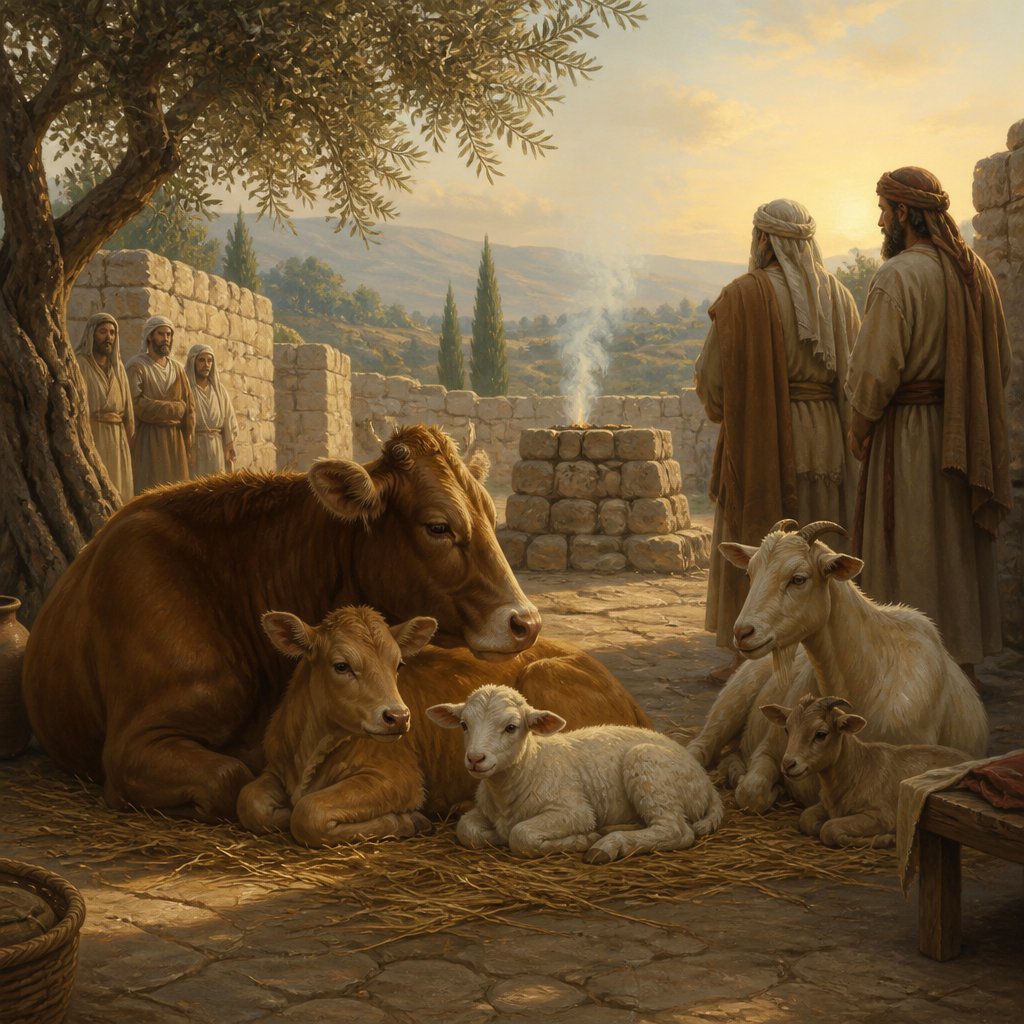
Leviticus 22:27 (KJV) states: "When a bullock, or a sheep, or a goat, is brought forth, then it shall be seven days under the dam; and from the eighth day and thenceforth it shall be accepted for an offering made by fire unto the Lord."
This verse comes from the book of Leviticus, which is the third book of the Hebrew Bible and the Old Testament. It is a part of the Torah, which is the central reference of the religious Judaic tradition. Leviticus is primarily concerned with laws and regulations for the priests and the Israelites regarding sacrifices, offerings, and moral conduct. This particular verse deals with the acceptable time frame for offering newborn livestock to the Lord.
The verse begins by outlining the time frame in which a newly born bullock, sheep, or goat should remain with its mother. It specifies that the offspring should remain with the mother for the first seven days of its life. This instruction serves both a practical and symbolic purpose. Practically, it allows the newborn to receive necessary nourishment and care from its mother during its most vulnerable stage of life. Symbolically, this period of bonding with the mother represents the importance of nurturing and dependence. It emphasizes the sacredness of life and the responsibility to care for all living creatures.
Following the seven days with its mother, the offspring is then deemed acceptable for an offering to the Lord. From the eighth day onward, it can be presented as an offering made by fire unto the Lord. This transition from the mother's care to being offered as a sacrifice is significant in the context of ancient Israelite religious practices. It symbolizes the sanctification and dedication of the livestock to the service of the Lord.
The theme of sacrifice is central to this verse. In the ancient Israelite culture, offering sacrifices to the Lord was a fundamental aspect of religious worship. The choice and presentation of the best livestock as a sacrifice symbolized the Israelites' reverence and devotion to God. This act of giving the first fruits of their labor was meant to express gratitude, atonement for sin, and the desire for divine favor. By following the prescribed time frame for offering the young livestock, the Israelites demonstrated obedience to the Lord's commands and a commitment to honoring Him through their sacrifices.
Furthermore, this verse highlights the concept of the sacred and the pure. It emphasizes the need for the offerings to be unblemished and untainted, representing the desire for perfection in the service of the Lord. The careful selection and dedication of the livestock underscore the Israelites' desire to offer their best to God, recognizing His holiness and sovereignty.
In a broader context, this verse reflects the intricate system of laws and rituals that governed ancient Israelite religious life. It underscores the significance of order, discipline, and obedience in their relationship with God. The detailed instructions for offerings and sacrifices served to guide the Israelites in their worship and to instill a sense of reverence and awe for the divine.
In conclusion, Leviticus 22:27 (KJV) conveys the importance of proper timing and dedication in the offering of sacrifices to the Lord. It emphasizes the sanctity of life, the significance of sacrifice, and the reverence for God's holiness. Through its detailed instructions and symbolism, this verse sheds light on the spiritual and moral values upheld by the ancient Israelites, providing insight into the religious practices and beliefs of that time.
Get our apps


Artwork for Leviticus 22:27

Leviticus 22:27 - "When a bullock, or a sheep, or a goat, is brought forth, then it shall be seven days under the dam; and from the eighth day and thenceforth it shall be accepted for an offering made by fire unto the LORD."
"When a bullock, or a sheep, or a goat, is brought forth, then it shall be seven days under the dam; and from the eighth day and thenceforth it shall be accepted for an offering made by fire unto the LORD." - Leviticus 22:27

Leviticus 27:22 - "And if a man sanctify unto the LORD a field which he hath bought, which is not of the fields of his possession;"

Leviticus 27

Leviticus 27

Leviticus 27
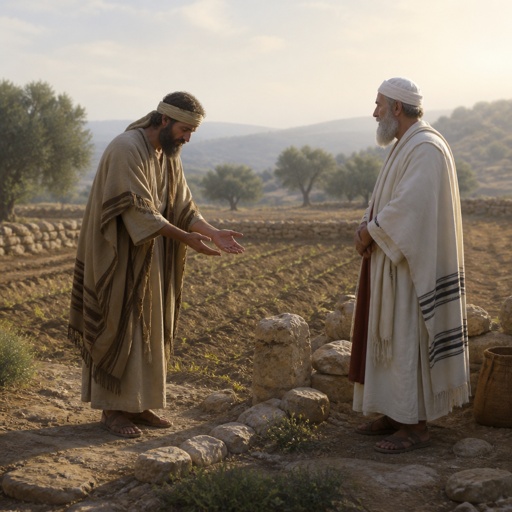
"And if a man sanctify unto the LORD a field which he hath bought, which is not of the fields of his possession;" - Leviticus 27:22
Leviticus 11:22

Leviticus 27:1 - "And the LORD spake unto Moses, saying,"

Leviticus 27:4 - "And if it be a female, then thy estimation shall be thirty shekels."

Leviticus 23:15-22

Leviticus 23:17-22

Leviticus 27:27 - "And if it be of an unclean beast, then he shall redeem it according to thine estimation, and shall add a fifth part of it thereto: or if it be not redeemed, then it shall be sold according to thy estimation."

Leviticus 22:17 - "¶ And the LORD spake unto Moses, saying,"

Leviticus 7:22 - "¶ And the LORD spake unto Moses, saying,"

Leviticus 22:1 - "And the LORD spake unto Moses, saying,"

Leviticus 22:26 - "¶ And the LORD spake unto Moses, saying,"

Leviticus 26:27 - "And if ye will not for all this hearken unto me, but walk contrary unto me;"

Leviticus 27:34 - "These are the commandments, which the LORD commanded Moses for the children of Israel in mount Sinai."

Leviticus 18:22 - "Thou shalt not lie with mankind, as with womankind: it is abomination."
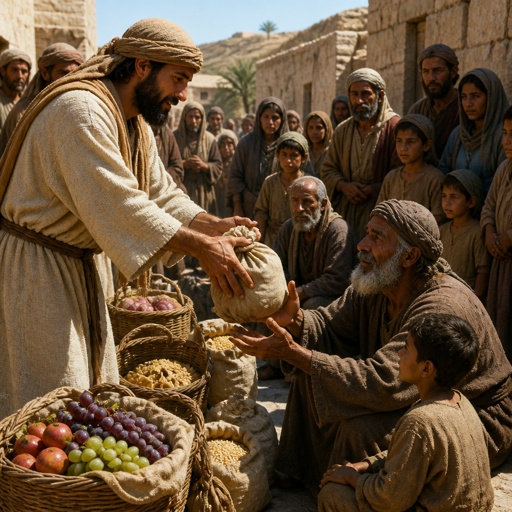
Deut 14:22-27

Leviticus 27:25 - "And all thy estimations shall be according to the shekel of the sanctuary: twenty gerahs shall be the shekel."

Leviticus 20:22-26 simple picture

Picture to summarize Leviticus 20:22-26

Leviticus 27:13 - "But if he will at all redeem it, then he shall add a fifth part thereof unto thy estimation."

Leviticus 27:30 - "And all the tithe of the land, whether of the seed of the land, or of the fruit of the tree, is the LORD'S: it is holy unto the LORD."

Leviticus 27:17 - "If he sanctify his field from the year of jubile, according to thy estimation it shall stand."

Leviticus 18:27 - "(For all these abominations have the men of the land done, which were before you, and the land is defiled;)"

"And the LORD spake unto Moses, saying," - Leviticus 27:1

Matthew 22:27 - "And last of all the woman died also."