What does Leviticus 22:7 mean?
“And when the sun is down, he shall be clean, and shall afterward eat of the holy things; because it is his food.” — Leviticus 22:7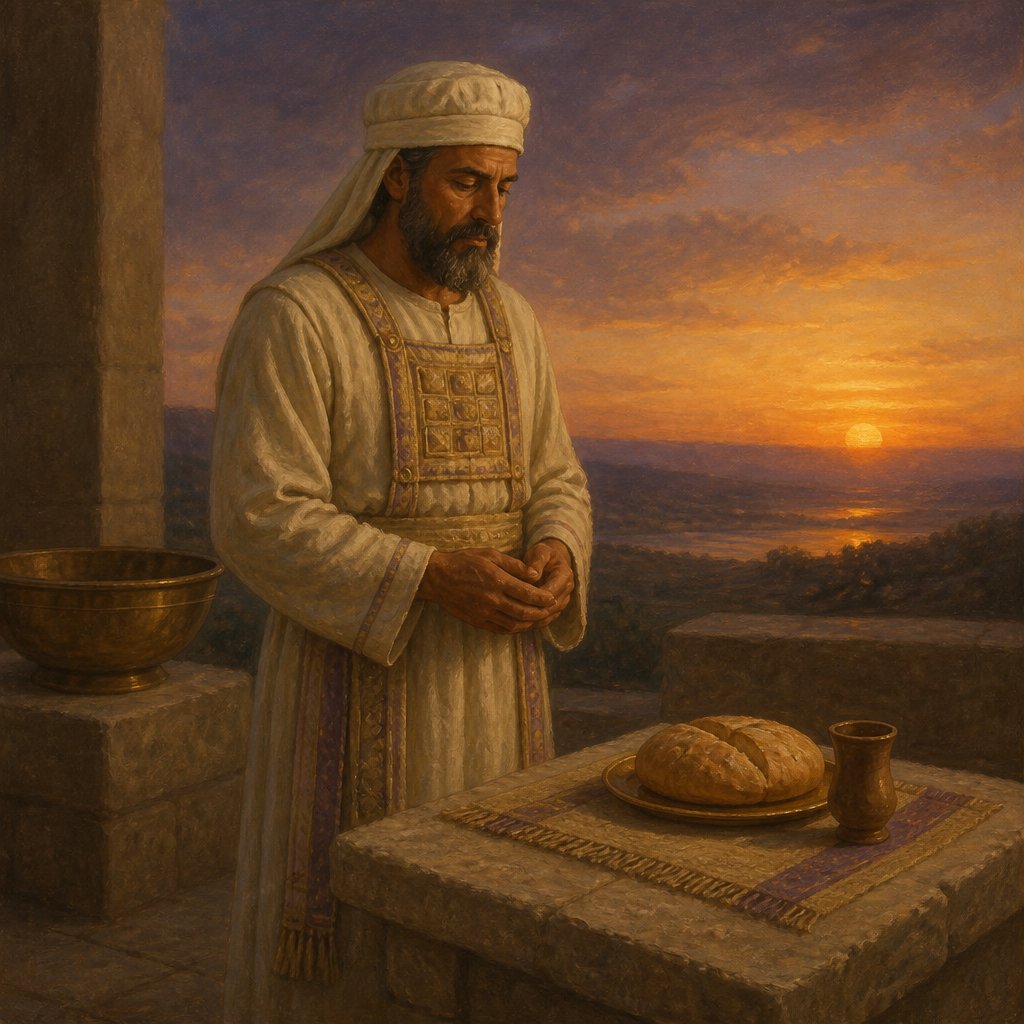
Leviticus 22:7 in the King James Version of the Bible states, "And when the sun is down, he shall be clean, and shall afterward eat of the holy things; because it is his food." This verse is part of a larger passage in Leviticus that outlines the regulations for the priests in the handling and consumption of the holy offerings. The verse addresses the issue of ritual purity and how it is tied to the consumption of the holy offerings.
To understand the deeper meaning and implications of this verse, it is essential to examine the context in which it appears. Leviticus is part of the Torah, the first five books of the Hebrew Bible, and it is a central text in Judaism. The book of Leviticus focuses on the laws and rituals that the Israelites were to follow in order to maintain their relationship with God and lead holy lives. In particular, it deals with the regulations for the priesthood and the proper way to perform sacrifices and offerings.
In this specific verse, the emphasis is on the requirement for priests to be ritually clean before partaking of the holy offerings. The verse specifies that the priest must wait until sunset before consuming the holy things, indicating that the period of ritual impurity, which would have been incurred through various means such as contact with a dead body, has passed. This highlights the importance of ritual purity in the religious practices of the Israelites and the need for the priests to maintain a state of holiness in their service to God.
The verse also underscores the significance of the holy offerings as food for the priests. This demonstrates the idea that the offerings were not only symbolic acts of worship but also a means of sustenance for those serving in the priesthood. The consumption of the holy offerings was not simply a ceremonial practice but was essential for the physical and spiritual nourishment of the priests.
Symbolically, the concept of ritual purity in this verse points to the broader theme of holiness and separation in the religious life of the Israelites. The notion of being clean before partaking of the holy things conveys the idea that one must approach the sacred with reverence and respect, and that one's actions and state of being have an impact on their relationship with the divine. This emphasis on purity and holiness reflects the Israelites' understanding of God as a holy and transcendent being, and their desire to maintain purity in order to come into communion with Him.
Furthermore, this verse also speaks to the idea of discipline and obedience in the observance of religious practices. The priests were required to adhere to the regulations concerning ritual purity and the consumption of the holy offerings, demonstrating their commitment to following God's commands. This sense of obedience and adherence to religious precepts is a recurring theme throughout the book of Leviticus and reflects the Israelites' dedication to upholding their covenant with God.
In contemporary interpretation, this verse can be seen as a reminder of the importance of spiritual discipline and reverence in approaching the sacred. While the specific laws and practices outlined in Leviticus may not be directly applicable to modern religious observance, the underlying principles of holiness, obedience, and respect for the divine remain relevant. This verse prompts believers to consider the state of their hearts and minds when approaching God and to strive for purity and devotion in their worship.
In conclusion, Leviticus 22:7 carries significant meaning within the larger context of the book of Leviticus and the religious worldview of the Israelites. It underscores the importance of ritual purity, the symbolic significance of the holy offerings, and the themes of holiness, obedience, and reverence in religious practice. Through its emphasis on the requirements for priests to be ritually clean before consuming the holy things, the verse highlights the Israelites' commitment to maintaining a state of holiness in their service to God. Overall, this verse invites readers to reflect on their own approach to the sacred and the principles of discipline and devotion in their spiritual lives.
Get our apps


Artwork for Leviticus 22:7

Leviticus 22:7 - "And when the sun is down, he shall be clean, and shall afterward eat of the holy things; because it is his food."
"And when the sun is down, he shall be clean, and shall afterward eat of the holy things; because it is his food." - Leviticus 22:7

Leviticus 7:22 - "¶ And the LORD spake unto Moses, saying,"

"¶ And the LORD spake unto Moses, saying," - Leviticus 7:22
Leviticus 11:22

Leviticus 23:15-22

Leviticus 23:17-22

Leviticus 22:17 - "¶ And the LORD spake unto Moses, saying,"

Leviticus 22:1 - "And the LORD spake unto Moses, saying,"

Leviticus 22:26 - "¶ And the LORD spake unto Moses, saying,"

Leviticus 18:22 - "Thou shalt not lie with mankind, as with womankind: it is abomination."

Leviticus 17:7

Leviticus 20:22-26 simple picture

Picture to summarize Leviticus 20:22-26

leviticus 16:7-10

Leviticus 22:20 - "But whatsoever hath a blemish, that shall ye not offer: for it shall not be acceptable for you."

Leviticus 13:22 - "And if it spread much abroad in the skin, then the priest shall pronounce him unclean: it is a plague."

Leviticus 21:22 - "He shall eat the bread of his God, both of the most holy, and of the holy."

Leviticus 22:33 - "That brought you out of the land of Egypt, to be your God: I am the LORD."

Leviticus 22:29 - "And when ye will offer a sacrifice of thanksgiving unto the LORD, offer it at your own will."

Leviticus 22:15 - "And they shall not profane the holy things of the children of Israel, which they offer unto the LORD;"

Leviticus 22:22 - "Blind, or broken, or maimed, or having a wen, or scurvy, or scabbed, ye shall not offer these unto the LORD, nor make an offering by fire of them upon the altar unto the LORD."

Leviticus 22:19 - "Ye shall offer at your own will a male without blemish, of the beeves, of the sheep, or of the goats."

Leviticus 7:28 - "¶ And the LORD spake unto Moses, saying,"

Leviticus 22:31 - "Therefore shall ye keep my commandments, and do them: I am the LORD."

Leviticus 22:28 - "And whether it be cow or ewe, ye shall not kill it and her young both in one day."

Leviticus 7:1 - "Likewise this is the law of the trespass offering: it is most holy."

Leviticus 7:7 - "As the sin offering is, so is the trespass offering: there is one law for them: the priest that maketh atonement therewith shall have it."

Leviticus 22:12 - "If the priest's daughter also be married unto a stranger, she may not eat of an offering of the holy things."

"¶ And the LORD spake unto Moses, saying," - Leviticus 22:17