What does Leviticus 23:35 mean?
“On the first day shall be an holy convocation: ye shall do no servile work therein.” — Leviticus 23:35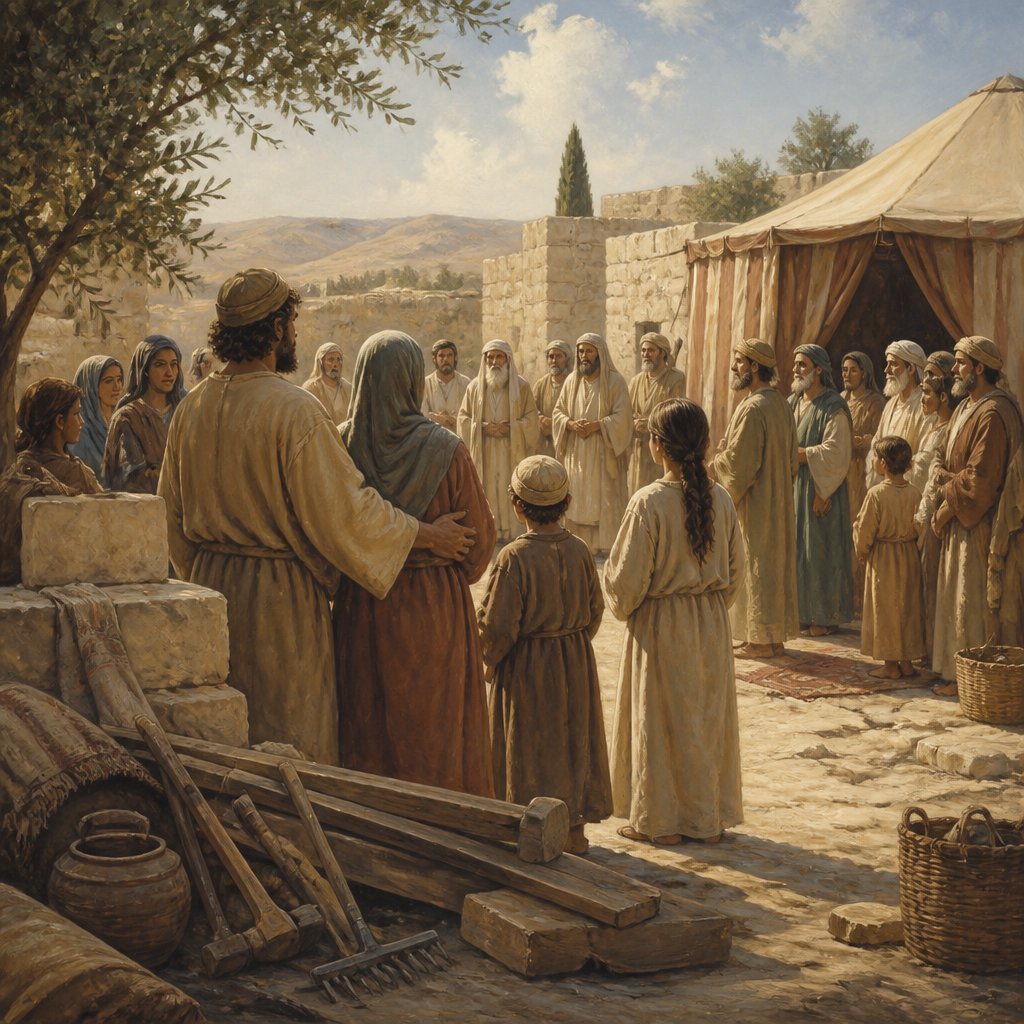
Leviticus 23:35 (KJV) says, "On the first day shall be an holy convocation: ye shall do no servile work therein."
This verse is part of the larger context of Leviticus 23, which outlines the various feasts and holy days that the Israelites were commanded to observe. This particular verse pertains to the feast of Tabernacles, also known as the Feast of Booths, which was a week-long celebration that commemorated the Israelites' time in the wilderness and the harvest of their crops.
The phrase "holy convocation" refers to a sacred assembly or gathering of the people. It was a time for worship, reflection, and communal celebration. The Israelites were instructed to abstain from their normal work and dedicate their time to the observance of this holy day. This emphasis on rest and spiritual observance reflects the importance of setting aside dedicated time for worship and renewal.
The command to "do no servile work" on the first day of the feast reinforces the sacred nature of the occasion. The term "servile work" refers to labor or tasks that are associated with servitude or toil. By refraining from such work, the Israelites were demonstrating their trust in God's provision and their willingness to prioritize their spiritual duties over their earthly responsibilities.
This verse carries several important themes, including the significance of rest and worship, the recognition of God's provision, and the cultivation of community. The idea of rest as a spiritual practice is a recurring theme in the Bible, as seen in the concept of the Sabbath and the importance of taking time for reflection and renewal. By setting aside this day for rest and worship, the Israelites were acknowledging their dependence on God and honoring the sacred rhythms of creation.
The command to refrain from servile work also has symbolic meaning. It serves as a reminder that our identity and worth are not defined by our labor or productivity. Instead, we are called to find our value in our relationship with God and our connection to the community. This concept is echoed in the teachings of Jesus, who emphasized the importance of prioritizing spiritual well-being over material concerns.
The feast of Tabernacles itself is rich with symbolism. The temporary booths or shelters that the Israelites were commanded to dwell in during this time represented their dependence on God's protection and provision. It also served as a reminder of their time in the wilderness and the faithfulness of God in leading them to the Promised Land. The celebration of the harvest highlighted the abundance and blessings that God had provided to his people.
In a broader sense, this verse reminds us of the importance of setting aside dedicated time for worship and spiritual reflection. In our modern, fast-paced world, it can be easy to prioritize work and material concerns over our spiritual well-being. This verse challenges us to reconsider our priorities and make space for rest, worship, and community in our lives.
In conclusion, Leviticus 23:35 teaches us about the importance of rest, worship, and community. It encourages us to recognize God's provision and to prioritize our spiritual well-being over our earthly responsibilities. The symbolism of the feast of Tabernacles reminds us of our dependence on God and the abundance of his blessings. This verse continues to carry relevance and significance for believers today, serving as a reminder of the sacred rhythms of rest and worship in our lives.
Get our apps


Artwork for Leviticus 23:35

Leviticus 23:35 - "On the first day shall be an holy convocation: ye shall do no servile work therein."
"On the first day shall be an holy convocation: ye shall do no servile work therein." - Leviticus 23:35

Titus 2:3-5

Titus 2:3-5

Titus 2:3-5

Salmo 45, 2-3. 5-6. 8-9

Leviticus 13:35 - "But if the scall spread much in the skin after his cleansing;"

2 Chronicles 35:23

Leviticus 19:35 - "¶ Ye shall do no unrighteousness in judgment, in meteyard, in weight, or in measure."

Leviticus 23:23 - "¶ And the LORD spake unto Moses, saying,"

2 Samuel 23:35 - "Hezrai the Carmelite, Paarai the Arbite,"

Leviticus 23:21

Leviticus 23:21

Leviticus 23:21

Leviticus 23:21

Leviticus 23:21

Leviticus 23:20

Leviticus 23:21

Leviticus 14:35 - "And he that owneth the house shall come and tell the priest, saying, It seemeth to me there is as it were a plague in the house:"

Leviticus 23:15-22

Leviticus 23:17-22

Leviticus 24:20-23

Leviticus 26:35 - "As long as it lieth desolate it shall rest; because it did not rest in your sabbaths, when ye dwelt upon it."

"¶ And the LORD spake unto Moses, saying," - Leviticus 23:23

Leviticus 23:26 - "¶ And the LORD spake unto Moses, saying,"

Leviticus 23:1 - "And the LORD spake unto Moses, saying,"

Leviticus 23:33 - "¶ And the LORD spake unto Moses, saying,"

Leviticus 23:9 - "¶ And the LORD spake unto Moses, saying,"

"But if the scall spread much in the skin after his cleansing;" - Leviticus 13:35

Genesis 35:23 - "The sons of Leah; Reuben, Jacob's firstborn, and Simeon, and Levi, and Judah, and Issachar, and Zebulun:"