What does Leviticus 23:6 mean?
“And on the fifteenth day of the same month is the feast of unleavened bread unto the LORD: seven days ye must eat unleavened bread.” — Leviticus 23:6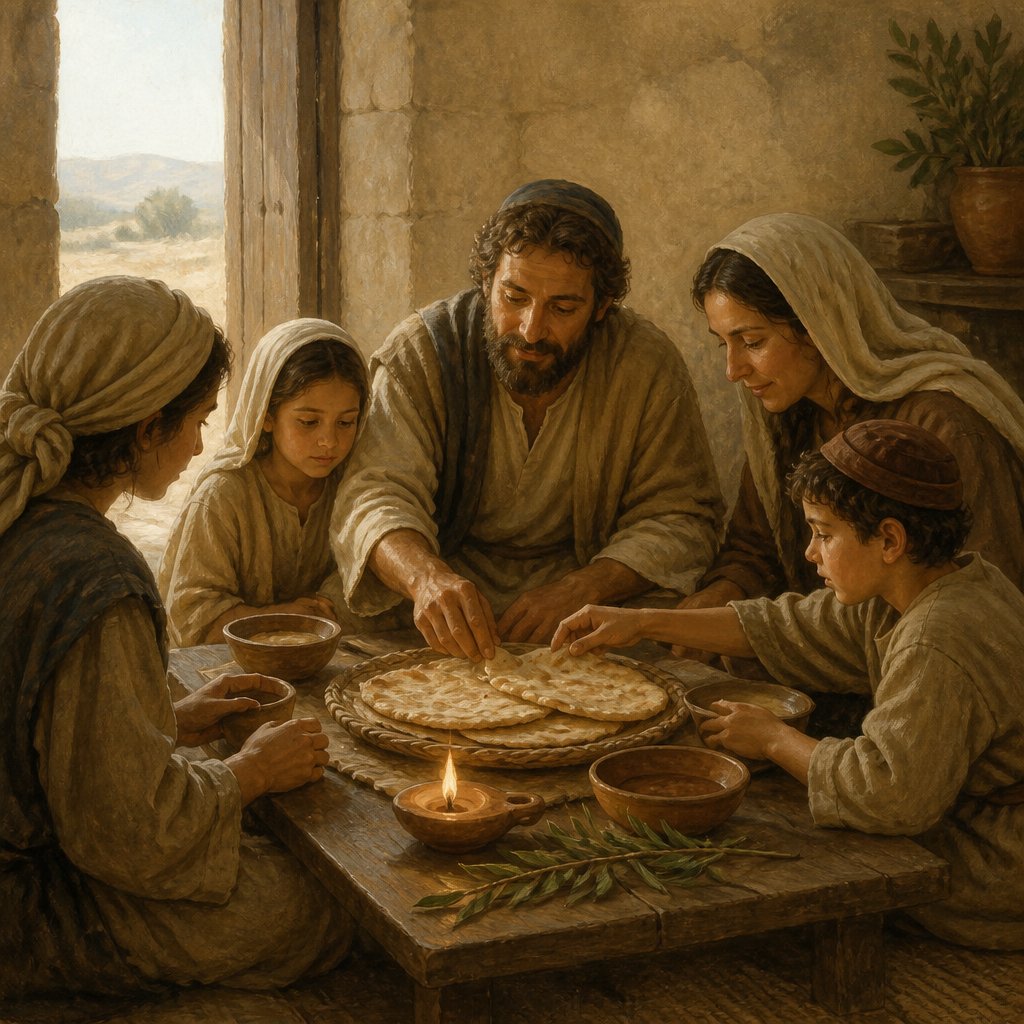
Leviticus 23:6 (KJV) reads: "And on the fifteenth day of the same month is the feast of unleavened bread unto the Lord: seven days ye must eat unleavened bread."
This verse is part of the detailed instructions given to the Israelites by God regarding the observance of various feasts and festivals. In this particular verse, the focus is on the feast of unleavened bread, which is to be celebrated on the fifteenth day of the first month of the Jewish calendar.
The feast of unleavened bread is closely tied to the Passover, which commemorates the deliverance of the Israelites from slavery in Egypt. According to the biblical account in the book of Exodus, the Israelites were instructed to eat unleavened bread as they prepared to leave Egypt in haste, as there was no time for the bread to rise. This act of eating unleavened bread for seven days was to serve as a reminder of their deliverance and the haste with which they had to leave Egypt.
Symbolically, unleavened bread represents purity and holiness. In the Bible, leaven is often used as a symbol of sin and corruption, while unleavened bread is associated with sincerity and truth. By eating only unleavened bread during this feast, the Israelites were symbolically purifying themselves and removing all traces of sin from their lives. This act of consuming unleavened bread for seven days was a way of consecrating themselves to the Lord and reaffirming their commitment to living a holy and righteous life.
The number seven is also significant in the Bible, representing completeness and perfection. By eating unleavened bread for seven days, the Israelites were demonstrating their complete dedication to God and their desire for spiritual perfection.
The feast of unleavened bread also serves as a time of reflection and repentance. As the Israelites ate unleavened bread and refrained from consuming any leavened products, they were reminded of the need to remove sin from their lives and to strive for purity and righteousness. This period of self-examination and introspection was an opportunity for the Israelites to renew their relationship with God and to recommit themselves to following His commandments.
In a broader context, the feast of unleavened bread can also be seen as a foreshadowing of the ultimate sacrifice of Jesus Christ. Just as the Israelites were delivered from slavery in Egypt through the consumption of unleavened bread, so too are believers delivered from the bondage of sin through the sacrifice of Christ. Jesus, who was without sin, is often symbolized by the unleavened bread, pure and unblemished. His sacrifice on the cross provides the ultimate means of purification and atonement for humanity, allowing us to be reconciled to God and to live in holiness.
In conclusion, Leviticus 23:6 provides detailed instructions for the observance of the feast of unleavened bread, emphasizing the importance of purity, dedication to God, and repentance. This verse carries deep spiritual significance, both for the Israelites in the Old Testament and for believers today. It serves as a reminder of God's deliverance, the call to live a holy and righteous life, and the ultimate sacrifice of Jesus Christ for the redemption of humanity.
Get our apps


Artwork for Leviticus 23:6

Leviticus 23:6 - "And on the fifteenth day of the same month is the feast of unleavened bread unto the LORD: seven days ye must eat unleavened bread."
"And on the fifteenth day of the same month is the feast of unleavened bread unto the LORD: seven days ye must eat unleavened bread." - Leviticus 23:6

Leviticus 6:23 - "For every meat offering for the priest shall be wholly burnt: it shall not be eaten."
"For every meat offering for the priest shall be wholly burnt: it shall not be eaten." - Leviticus 6:23

Leviticus 23:23 - "¶ And the LORD spake unto Moses, saying,"

Leviticus 23:21

Leviticus 23:21

Leviticus 23:21

Leviticus 23:21

Leviticus 23:21

Leviticus 23:20

Leviticus 23:21

Leviticus 23:15-22

Leviticus 23:17-22

Leviticus 24:20-23

"¶ And the LORD spake unto Moses, saying," - Leviticus 23:23

Leviticus 23:1 - "And the LORD spake unto Moses, saying,"

Leviticus 23:26 - "¶ And the LORD spake unto Moses, saying,"

Leviticus 23:33 - "¶ And the LORD spake unto Moses, saying,"
Leviticus 23:9 - "¶ And the LORD spake unto Moses, saying,"

Leviticus 23:5 - "In the fourteenth day of the first month at even is the LORD'S passover."

Leviticus 23:44 - "And Moses declared unto the children of Israel the feasts of the LORD."

Leviticus 26:23 - "And if ye will not be reformed by me by these things, but will walk contrary unto me;"

the jewish holidays mentioned in leviticus 23:1 until 23:40 combined in one picture,

Leviticus 26: 4-6

Leviticus 25:23 - "¶ The land shall not be sold for ever: for the land is mine; for ye are strangers and sojourners with me."

Leviticus 23:4 - "¶ These are the feasts of the LORD, even holy convocations, which ye shall proclaim in their seasons."
Leviticus 26: 4-6

Leviticus 26: 4-6

Leviticus 23:35 - "On the first day shall be an holy convocation: ye shall do no servile work therein."