What does Leviticus 24:22 mean?
“Ye shall have one manner of law, as well for the stranger, as for one of your own country: for I am the LORD your God.” — Leviticus 24:22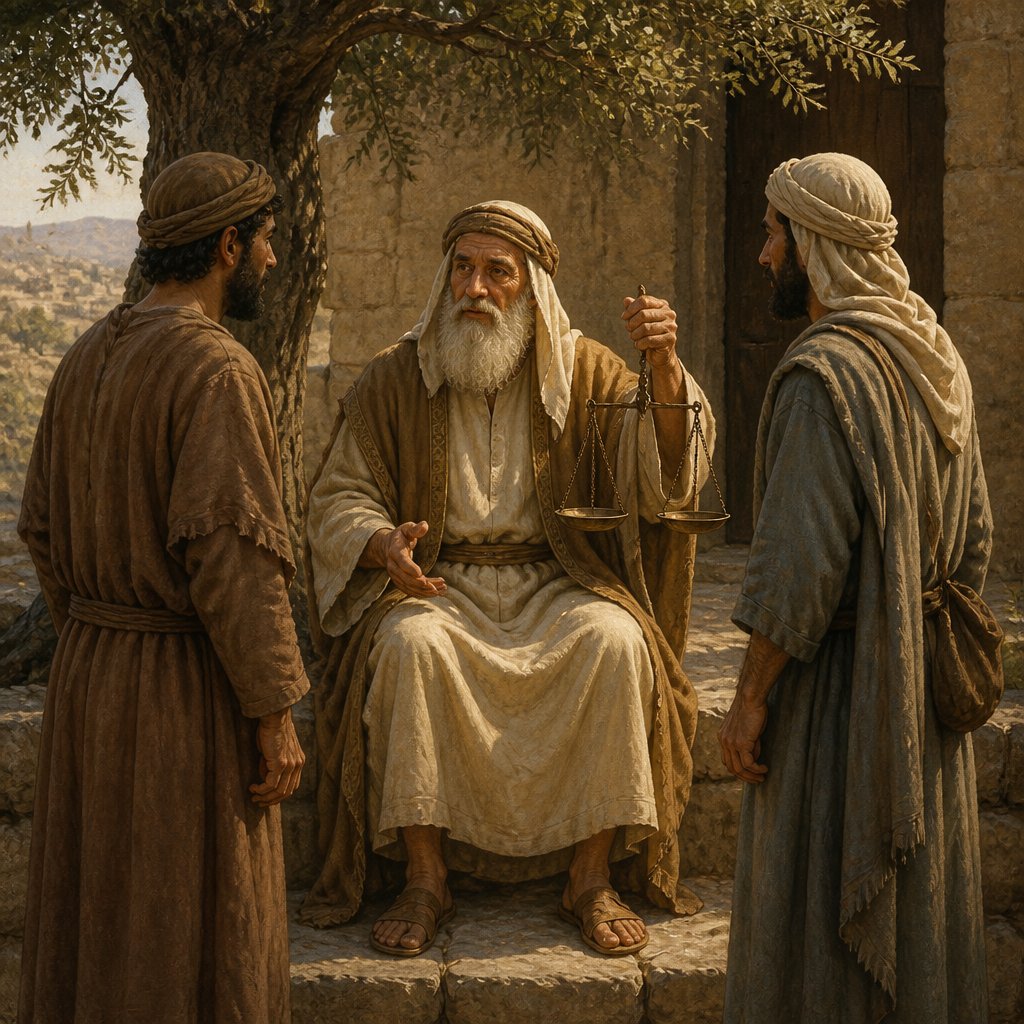
Leviticus 24:22 in the King James Version of the Bible states, "Ye shall have one manner of law, as well for the stranger, as for one of your own country: for I am the Lord your God." This verse is part of a larger passage in the Book of Leviticus that deals with the laws and regulations that the Israelites were expected to follow in their daily lives.
In this verse, the phrase "one manner of law" refers to the idea that the same laws and rules should apply to everyone, regardless of their nationality or status. This concept of equality before the law is a fundamental principle in the Old Testament and is also found in other religious and philosophical traditions. It underscores the idea that all people are equal in the eyes of God and should be treated with the same respect and dignity.
The verse goes on to specifically mention "the stranger" as someone who should be subject to the same laws as the native-born Israelites. This is a significant statement in the context of the ancient world, where foreigners and outsiders were often looked upon with suspicion or treated as second-class citizens. By including this provision in the law, the Israelites were being urged to extend the same rights and protections to those who were not part of their community.
The phrase "for I am the Lord your God" serves as a reminder that these laws are not just arbitrary rules imposed by a human authority, but are based on the divine will of God. By following these laws, the Israelites were not just conforming to societal norms, but were obeying the commands of their Creator.
In a broader sense, the verse can be seen as a reflection of the concept of justice and fairness that runs throughout the Bible. The idea that all people should be treated equally under the law is a foundational principle that underpins many of the ethical teachings in the Bible. This verse emphasizes the importance of upholding this principle and ensuring that justice is blind to distinctions of race, nationality, or social status.
The context of this verse is also important for understanding its significance. The Book of Leviticus is primarily concerned with laying out the religious and moral code for the Israelites, and it includes detailed instructions on everything from dietary regulations to proper conduct in various aspects of life. The inclusion of this verse in the midst of these regulations underscores the idea that fairness and equality are not just abstract concepts, but are essential components of living a righteous and honorable life.
Symbolically, this verse can be seen as a representation of the broader biblical theme of inclusivity and compassion. By emphasizing the need to treat strangers and outsiders with the same respect and consideration as one's own countrymen, the verse speaks to the larger idea of universal love and empathy. It suggests that the Israelites were called to embody the values of hospitality and kindness, even towards those who were not part of their immediate community.
In conclusion, Leviticus 24:22 is a powerful reminder of the importance of equality and justice in the eyes of God. It serves as a call to treat all people, regardless of their background or status, with fairness and dignity. The verse reflects the broader biblical theme of inclusivity and compassion, and it underscores the idea that the principles of justice and fairness are central to living a righteous and honorable life.
Get our apps


Artwork for Leviticus 24:22

Leviticus 24:22 - "Ye shall have one manner of law, as well for the stranger, as for one of your own country: for I am the LORD your God."
"Ye shall have one manner of law, as well for the stranger, as for one of your own country: for I am the LORD your God." - Leviticus 24:22

James 2:2-4

Leviticus 22:24 - "Ye shall not offer unto the LORD that which is bruised, or crushed, or broken, or cut; neither shall ye make any offering thereof in your land."
Leviticus 11:22

Leviticus 24:20-23

Leviticus 6:24 - "¶ And the LORD spake unto Moses, saying,"

Leviticus 23:15-22

Leviticus 23:17-22

Leviticus 24:1 - "And the LORD spake unto Moses, saying,"

Leviticus 24:13 - "And the LORD spake unto Moses, saying,"

Leviticus 22:17 - "¶ And the LORD spake unto Moses, saying,"

Leviticus 7:22 - "¶ And the LORD spake unto Moses, saying,"

Leviticus 22:1 - "And the LORD spake unto Moses, saying,"

Leviticus 22:26 - "¶ And the LORD spake unto Moses, saying,"

Leviticus 18:22 - "Thou shalt not lie with mankind, as with womankind: it is abomination."

Leviticus 24:12 - "And they put him in ward, that the mind of the LORD might be shewed them."

Genesis 24-22

Genesis 22-24
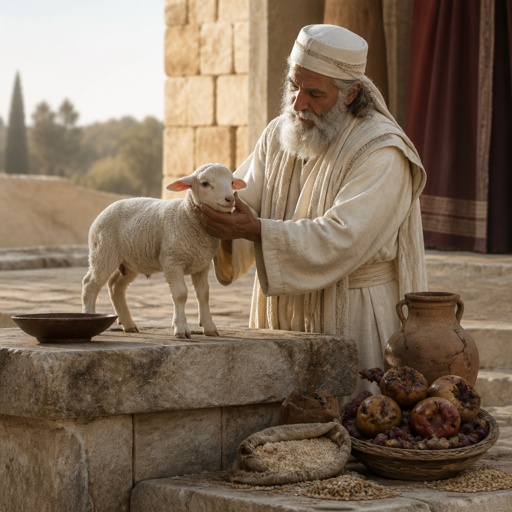
"Ye shall not offer unto the LORD that which is bruised, or crushed, or broken, or cut; neither shall ye make any offering thereof in your land." - Leviticus 22:24

Leviticus 24:17 - "¶ And he that killeth any man shall surely be put to death."

Leviticus 24:18 - "And he that killeth a beast shall make it good; beast for beast."

Leviticus 20:22-26 simple picture

Picture to summarize Leviticus 20:22-26

Leviticus 25:24 - "And in all the land of your possession ye shall grant a redemption for the land."

Leviticus 21:24 - "And Moses told it unto Aaron, and to his sons, and unto all the children of Israel."

Leviticus 19:24 - "But in the fourth year all the fruit thereof shall be holy to praise the LORD withal."

Leviticus 24:4 - "He shall order the lamps upon the pure candlestick before the LORD continually."

Leviticus 11:24 - "And for these ye shall be unclean: whosoever toucheth the carcase of them shall be unclean until the even."

Jude 9:22-24