What does Leviticus 24:7 mean?
“And thou shalt put pure frankincense upon each row, that it may be on the bread for a memorial, even an offering made by fire unto the LORD.” — Leviticus 24:7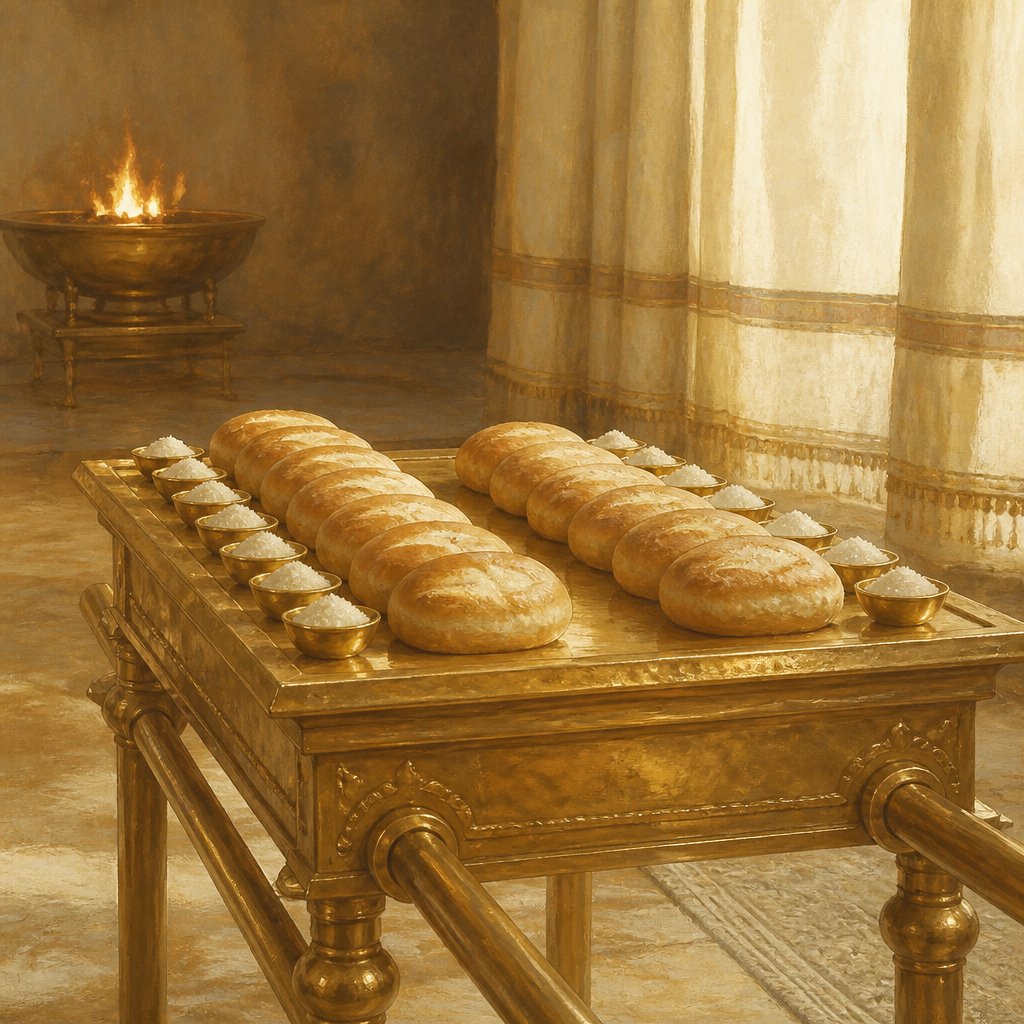
Leviticus 24:7 from the King James Version of the Bible states, "And...on the pure table before the Lord continually." This verse is part of a passage that deals with the instructions for maintaining the lamps and the bread of the presence, which were kept in the tabernacle of meeting or the tent of the congregation, as it's also called.
To fully appreciate the meaning of this verse, it's helpful to understand the context in which it appears. The book of Leviticus is the third book of the Hebrew Bible and is a part of the Torah, which is the first five books of the Bible, also known as the Pentateuch. Leviticus is primarily concerned with the rules and regulations set forth by God for the Jewish people, particularly those related to worship, sacrifice, and purity.
In this specific passage, the instructions are given for the bread of the presence, also known as the showbread. The showbread was a special offering consisting of twelve loaves of bread that were placed on a table in the tabernacle. The bread was baked and replaced every week, with the old loaves being eaten by the priests in a holy place. The table upon which the showbread was placed is described as pure, which indicates its significance in the eyes of God.
The act of placing the showbread on the pure table before the Lord continually symbolizes the ongoing presence of God among His people. It also serves as a reminder of the covenant between God and the Israelites, as well as a representation of the spiritual nourishment that comes from being in the presence of God. The continuity and regularity of this ritual also reinforce the importance of faithfulness and commitment in the relationship between God and His people.
Furthermore, the showbread and the pure table before the Lord can be seen as symbolic of Christ and His sacrifice. In the New Testament, Jesus refers to Himself as the "bread of life" (John 6:35), and His body is often associated with the idea of spiritual sustenance. The pure table before the Lord can be seen as a foreshadowing of the communion table in the Christian faith, where believers partake of the bread and the cup as a remembrance of Christ's sacrifice.
From a broader perspective, the pure table before the Lord continually also speaks to the concept of divine provision. The act of continually placing the showbread on the table reflects the Israelites' reliance on God to provide for their physical and spiritual needs. This theme of reliance on God's provision is echoed throughout the Bible, from the manna in the wilderness to the Lord's Prayer in the New Testament.
The imagery of the pure table also conveys the importance of holiness and purity in the worship of God. The tabernacle and its furnishings were to be kept in a state of cleanliness and sanctity, reflecting the idea that God is holy and deserving of reverence and respect. This emphasis on purity extends beyond the physical realm to the spiritual, reminding believers of the need for moral and ethical purity in their lives.
In conclusion, Leviticus 24:7 from the King James Version of the Bible holds deep spiritual and symbolic significance. It serves as a reminder of the ongoing presence of God among His people, the provision and sacrifice of Christ, the importance of purity and holiness in worship, and the reliance on divine provision. This verse continues to resonate with believers today, offering timeless truths and principles for a life of faith and devotion.


