What does Leviticus 25:17 mean?
“Ye shall not therefore oppress one another; but thou shalt fear thy God: for I am the LORD your God.” — Leviticus 25:17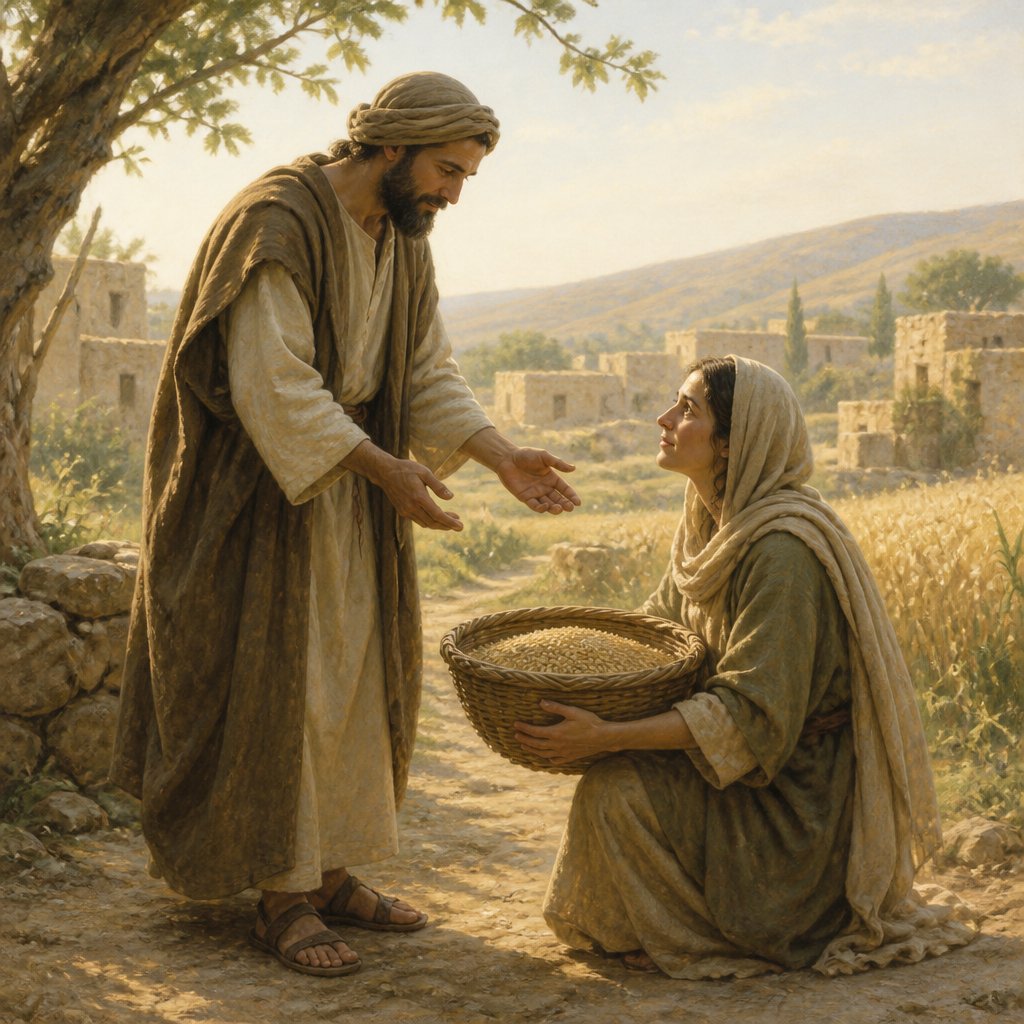
Leviticus 25:17 in the King James Version of the Bible states: "Ye shall not therefore oppress one another; but thou shalt fear thy God: for I am the Lord your God."
This verse is taken from the book of Leviticus, which is the third book of the Bible and is part of the Torah, the first five books of the Old Testament. Leviticus contains laws and regulations for the Israelites, given to them by God through Moses. This particular verse is found in a chapter that addresses the Sabbath year and the Year of Jubilee, which were designed to give the land and the people rest, and to promote social and economic equality among the Israelites.
The verse begins with a prohibition against oppression. The word "oppress" in the original Hebrew text is "anah," which means to afflict, humble, or be afflicted. It implies a sense of injustice and mistreatment, particularly towards those who are vulnerable or less powerful. This commandment is a reminder to the Israelites that they must not mistreat or take advantage of one another, but rather, they are to treat each other with fairness, compassion, and respect.
The verse then instructs the Israelites to fear God. The fear of the Lord is a recurring theme throughout the Bible, and it is often associated with reverence, awe, and obedience to God. In this context, it serves as a motivation for the Israelites to act justly and righteously towards one another. By fearing God, they are acknowledging His authority and sovereignty, and are compelled to follow His commands, including the prohibition against oppression.
The verse concludes with the declaration, "for I am the Lord your God." This statement serves as a reminder of God's identity and relationship with the Israelites. It emphasizes that the commandments given to them are not merely human ideals or social constructs, but they are rooted in the character and will of God himself. Therefore, obedience to these commandments is not optional, but imperative for the Israelites as a demonstration of their faith and allegiance to God.
One of the key themes in this verse is social justice. The prohibition against oppression and the emphasis on fearing God reflect God's concern for the fair and equitable treatment of all people. Throughout the Bible, God shows a particular concern for the marginalized, the oppressed, and the vulnerable, and He calls His people to do the same. This verse in Leviticus underscores the importance of compassion, fairness, and kindness in the way we treat others, and it serves as a timeless reminder of our responsibility to uphold the principles of social justice in our communities.
Another theme that emerges from this verse is the interconnectedness of faith and action. The fear of God is not merely a feeling or a mindset, but it is meant to be expressed through tangible acts of righteousness and compassion. The Israelites are called to demonstrate their reverence for God by treating each other justly and with respect. This connection between faith and action is a recurring theme in the Bible, and it underscores the holistic nature of our relationship with God, which should impact every aspect of our lives, including our relationships with others.
The context of this verse within the larger passage about the Sabbath year and the Year of Jubilee is also significant. These were times when the land was to rest, debts were to be forgiven, and slaves were to be released. The emphasis on social and economic equality during these times reflects God's desire for His people to live in harmony and mutual care for one another. Leviticus 25:17 serves as a foundational principle that undergirds these regulations, reminding the Israelites that their treatment of one another should reflect the heart and character of God.
In terms of symbolism, the fear of God and the prohibition against oppression can be seen as symbolic of the overarching principles of the Kingdom of God. The fear of God represents the reverence and awe that His people are called to have for Him, acknowledging His authority and supremacy. The prohibition against oppression symbolizes the justice, equity, and compassion that are hallmarks of God's kingdom. This verse serves as a reminder that as members of God's kingdom, we are called to embody these principles in our interactions with others, reflecting the values and character of God himself.
In conclusion, Leviticus 25:17 carries profound meaning and significance, addressing themes of social justice, the integration of faith and action, and the principles of the Kingdom of God. It serves as a timeless reminder of our call to treat others with fairness, compassion, and respect, and it underscores the importance of living out our faith in tangible acts of righteousness. As we seek to apply the principles of this verse in our lives, may we be inspired to embody the heart and character of God in our relationships and interactions with others.
Get our apps


Artwork for Leviticus 25:17

Leviticus 25:17 - "Ye shall not therefore oppress one another; but thou shalt fear thy God: for I am the LORD your God."
"Ye shall not therefore oppress one another; but thou shalt fear thy God: for I am the LORD your God." - Leviticus 25:17

Cycle of sabbath rest year. Leviticus 25:1-7

Leviticus 17:7

Leviticus 25:26 - "And if the man have none to redeem it, and himself be able to redeem it;"

Leviticus 25:34 - "But the field of the suburbs of their cities may not be sold; for it is their perpetual possession."

Leviticus 25:1 - "And the LORD spake unto Moses in mount Sinai, saying,"

Leviticus 16:25 - "And the fat of the sin offering shall he burn upon the altar."

Leviticus 23:17-22

Leviticus 11:17 - "And the little owl, and the cormorant, and the great owl,"

Leviticus 22:17 - "¶ And the LORD spake unto Moses, saying,"

Leviticus 25:24 - "And in all the land of your possession ye shall grant a redemption for the land."

Genesis 25-17

Genesis 17-25

Leviticus 17:1 - "And the LORD spake unto Moses, saying,"

Leviticus 25:13 - "In the year of this jubile ye shall return every man unto his possession."

Leviticus 25:23 - "¶ The land shall not be sold for ever: for the land is mine; for ye are strangers and sojourners with me."

Leviticus 25:7 - "And for thy cattle, and for the beast that are in thy land, shall all the increase thereof be meat."
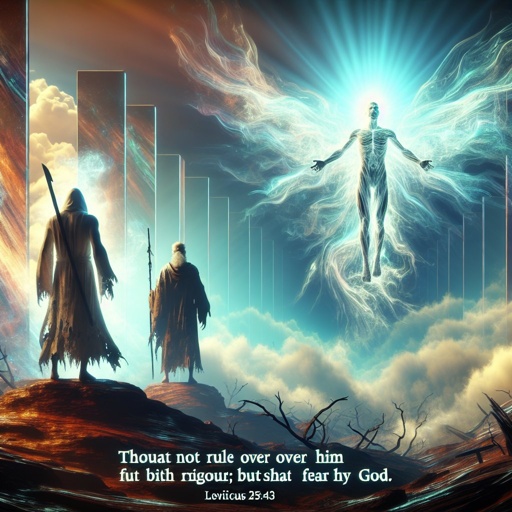
Leviticus 25:43 - "Thou shalt not rule over him with rigour; but shalt fear thy God."

Leviticus 25:32 - "Notwithstanding the cities of the Levites, and the houses of the cities of their possession, may the Levites redeem at any time."

Leviticus 27:25 - "And all thy estimations shall be according to the shekel of the sanctuary: twenty gerahs shall be the shekel."

Leviticus 25:25 - "¶ If thy brother be waxen poor, and hath sold away some of his possession, and if any of his kin come to redeem it, then shall he redeem that which his brother sold."

Leviticus 7:17 - "But the remainder of the flesh of the sacrifice on the third day shall be burnt with fire."

Leviticus 25:12 - "For it is the jubile; it shall be holy unto you: ye shall eat the increase thereof out of the field."

Leviticus 25:40 - "But as an hired servant, and as a sojourner, he shall be with thee, and shall serve thee unto the year of jubile:"

Joshua 6:17-25

Numbers 25:17 - "Vex the Midianites, and smite them:"

Leviticus 25:42 - "For they are my servants, which I brought forth out of the land of Egypt: they shall not be sold as bondmen."
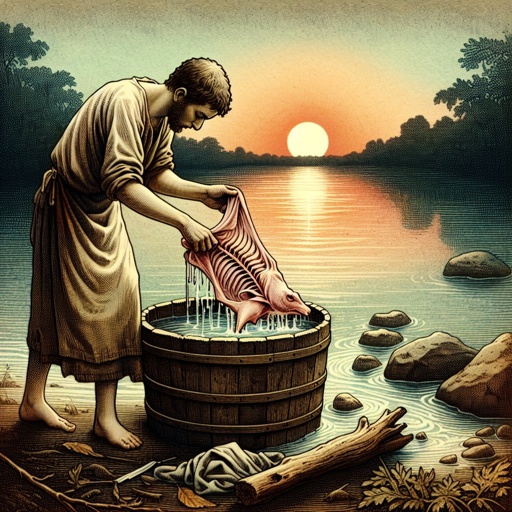
Leviticus 11:25 - "And whosoever beareth ought of the carcase of them shall wash his clothes, and be unclean until the even."

Leviticus 25:48 - "After that he is sold he may be redeemed again; one of his brethren may redeem him:"