What does Leviticus 25:26 mean?
“And if the man have none to redeem it, and himself be able to redeem it;” — Leviticus 25:26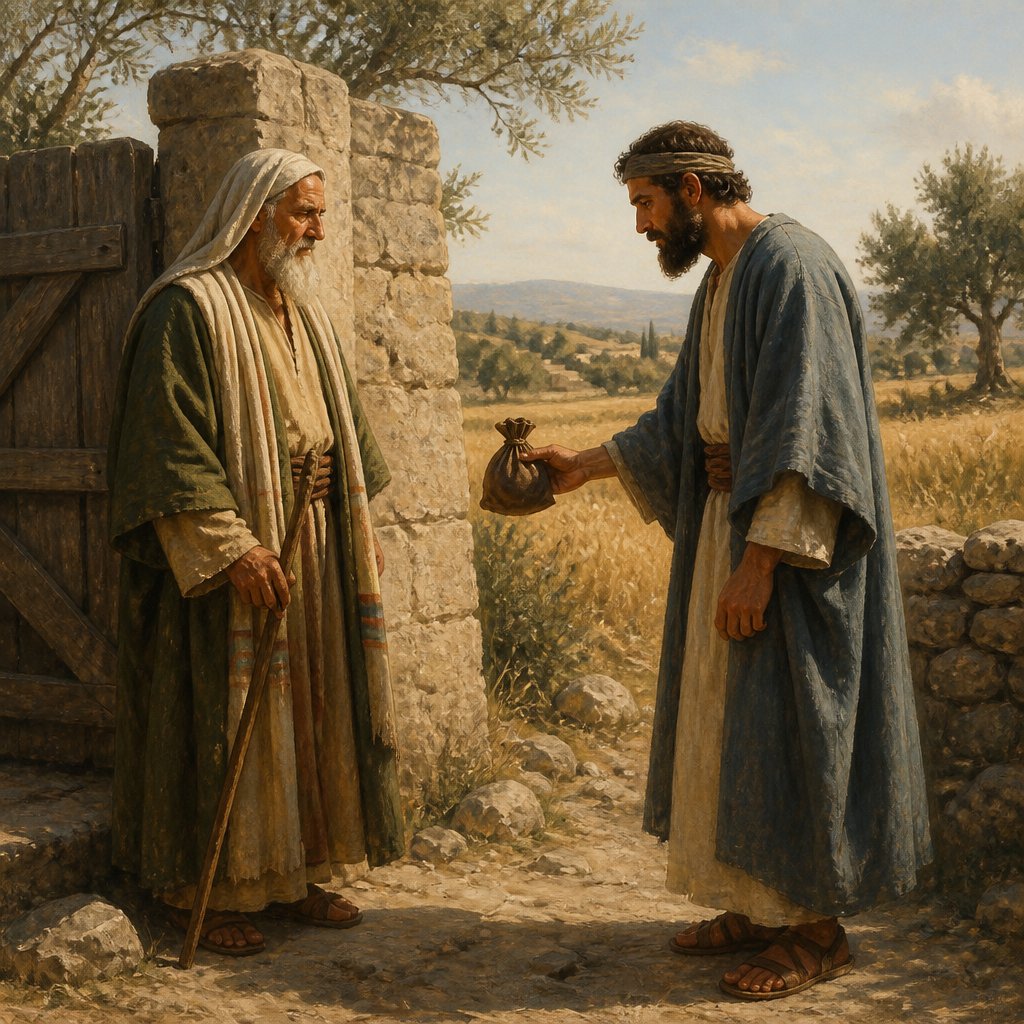
Leviticus 25:26 (KJV) - "And if the man have none to redeem it, and himself be able to redeem it;"
This verse is part of the laws and regulations pertaining to the Year of Jubilee as outlined in the book of Leviticus in the Old Testament. The Year of Jubilee was a special year that occurred every fifty years, during which the Israelites were commanded to observe a time of rest and release. It was a year in which slaves were set free, debts were forgiven, and ancestral land was returned to its original owners.
In this particular verse, the focus is on the redemption of ancestral land. It addresses a scenario in which a man is unable to redeem his land, and there is no one else to do it in his place. The verse raises the question of self-redemption, implying that if a person is financially capable, he has the responsibility to redeem his own land.
The theme of redemption and responsibility is central to this verse. It emphasizes the idea that individuals have a duty to take action and make decisions regarding their own property and possessions. It also underscores the importance of personal accountability and self-reliance. This concept of self-redemption aligns with the broader biblical principle that individuals are accountable for their actions and have the power to make choices that impact their lives.
Furthermore, the verse reflects the societal structure and economic system of ancient Israel. Land was of great significance in the agrarian society of that time, and it represented not only a family's inheritance but also their livelihood. The Year of Jubilee ensured that land would not permanently pass out of the original family's possession, promoting economic equity and preventing the accumulation of wealth and power by a few individuals or families.
Symbolically, the concept of redemption in this verse can also be seen as a foreshadowing of the ultimate redemption through Jesus Christ. In Christian theology, redemption is a central theme, representing the act of being saved or delivered from sin. Jesus is often referred to as the Redeemer, who paid the ultimate price for the redemption of humanity through his sacrificial death on the cross.
The broader context of this verse within the book of Leviticus is important to consider as well. The entire book is focused on the statutes and laws given by God to the Israelites through Moses. These laws encompass various aspects of life, including religious rituals, moral conduct, cleanliness, and societal justice. The Year of Jubilee, as described in Leviticus 25, serves as a reminder of God's provision and mercy, as well as the importance of justice and compassion within the community.
Overall, Leviticus 25:26 (KJV) conveys a message of personal responsibility, economic justice, and the concept of redemption. It offers valuable insights into the societal and religious norms of ancient Israel, while also carrying symbolic significance that resonates with Christian beliefs. The verse encourages reflection on the themes of accountability, self-reliance, and the redemptive power of faith.
Get our apps


Artwork for Leviticus 25:26

Leviticus 25:26 - "And if the man have none to redeem it, and himself be able to redeem it;"
"And if the man have none to redeem it, and himself be able to redeem it;" - Leviticus 25:26
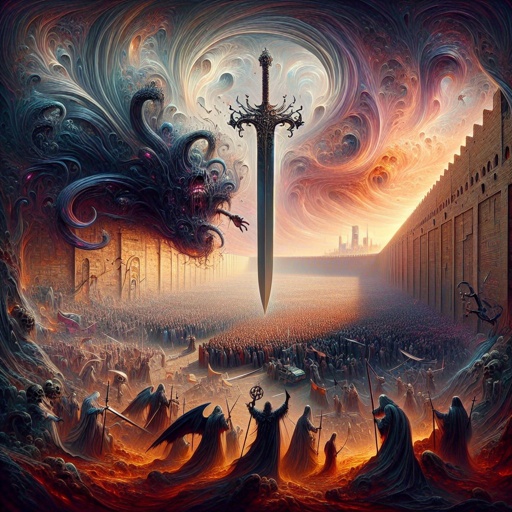
Leviticus 26:25 - "And I will bring a sword upon you, that shall avenge the quarrel of my covenant: and when ye are gathered together within your cities, I will send the pestilence among you; and ye shall be delivered into the hand of the enemy."

Leviticus 26: 4-6

Leviticus 26: 4-6
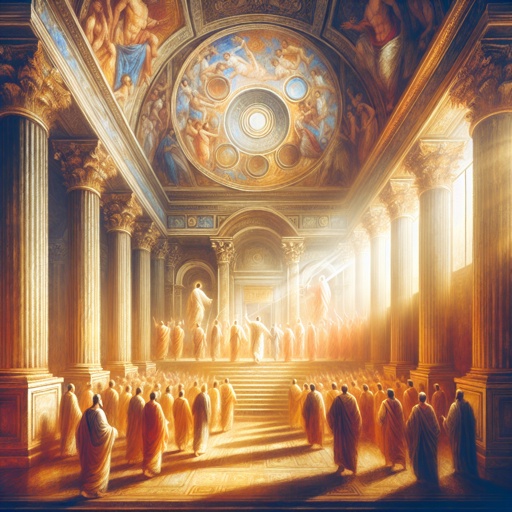
Leviticus 26: 4-6

Leviticus 23:26 - "¶ And the LORD spake unto Moses, saying,"

Genesis 26:25

Genesis 25-26

Matthew 26:25

Leviticus 22:26 - "¶ And the LORD spake unto Moses, saying,"

Leviticus 26:14 - "¶ But if ye will not hearken unto me, and will not do all these commandments;"

Luke 12:25-26

Luke 12:25-26

Psalm 73:25-26

Luke 12:25-26

Luke 12:25-26

Psalm 73:25-26

Luke 12:25-26
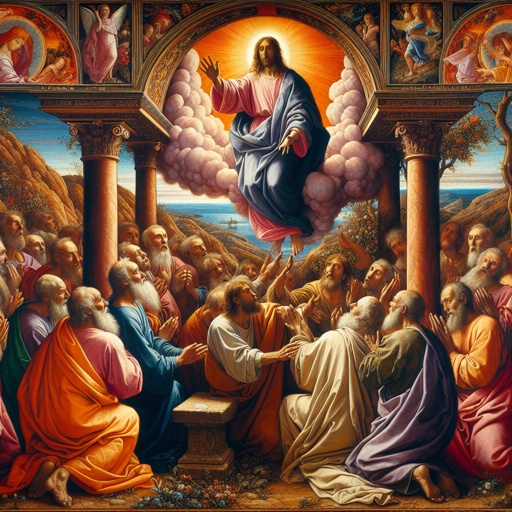
Luke 12:25-26

Luke 12:25-26

Leviticus 20:22-26 simple picture

Picture to summarize Leviticus 20:22-26

Leviticus 25:34 - "But the field of the suburbs of their cities may not be sold; for it is their perpetual possession."

Leviticus 25:1 - "And the LORD spake unto Moses in mount Sinai, saying,"

Leviticus 16:25 - "And the fat of the sin offering shall he burn upon the altar."

Leviticus 26:23 - "And if ye will not be reformed by me by these things, but will walk contrary unto me;"

Leviticus 26:3 - "¶ If ye walk in my statutes, and keep my commandments, and do them;"

Leviticus 14:26 - "And the priest shall pour of the oil into the palm of his own left hand:"

Leviticus 26:27 - "And if ye will not for all this hearken unto me, but walk contrary unto me;"