What does Leviticus 26:12 mean?
“And I will walk among you, and will be your God, and ye shall be my people.” — Leviticus 26:12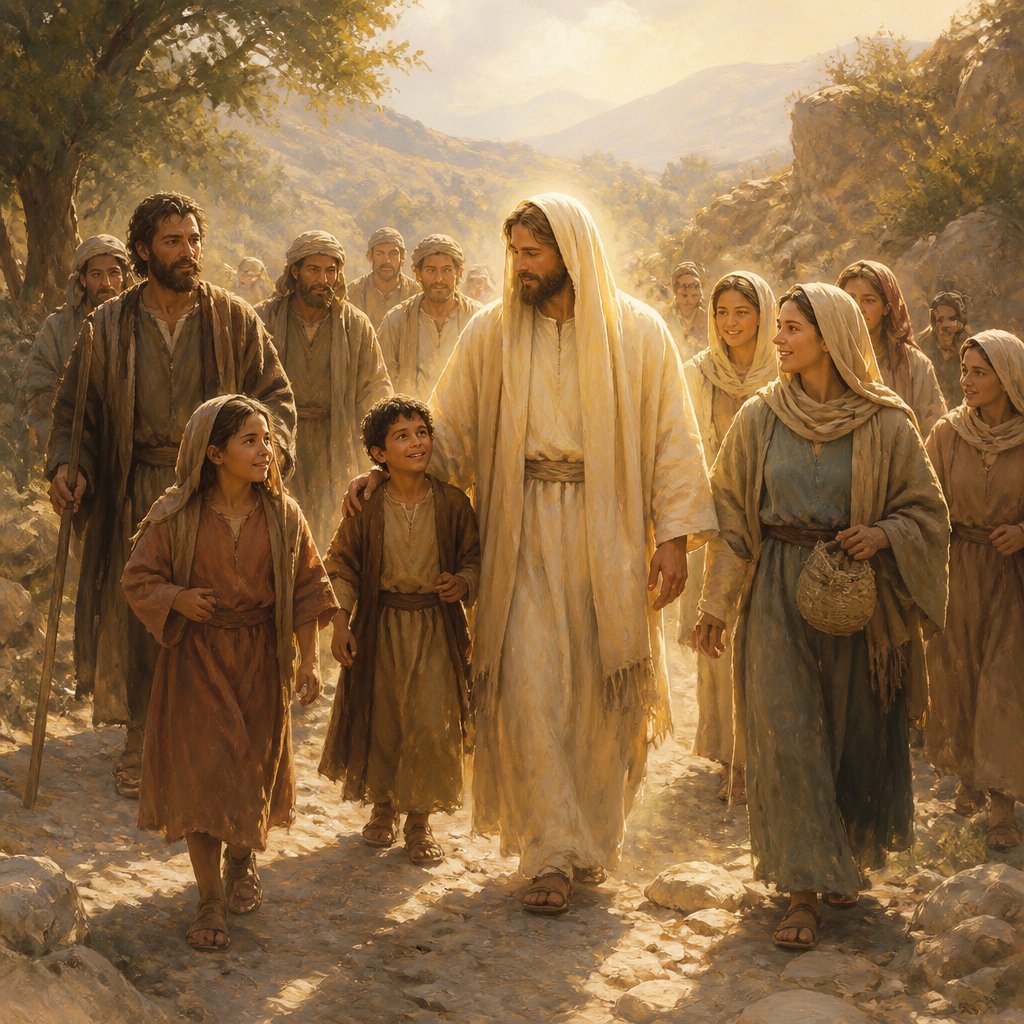
Leviticus 26:12 in the King James Version of the Bible reads, "And I will walk among you, and will be your God, and ye shall be my people." This verse is found within the context of the Book of Leviticus, which is the third book of the Torah and the Old Testament of the Bible. The book is attributed to Moses and is primarily concerned with laws and regulations regarding sacrifice, purity, and holiness.
This verse can be seen as a promise from God to the people of Israel. It reflects His desire for a personal and intimate relationship with His chosen people. The language used in this verse is highly symbolic, with the idea of God "walking among" his people conveying a sense of closeness and intimacy. It also emphasizes His willingness to be present and accessible to his people.
One of the underlying themes of this verse is the covenantal relationship between God and His people. Throughout the Bible, particularly in the Old Testament, there are numerous instances of God establishing covenants with His people. These covenants are agreements in which God promises to be their God and they promise to be His people. This verse in Leviticus can be seen as a reaffirmation of this covenant and a reminder of God's faithfulness to His promises.
The verse also speaks to the concept of God's presence. In the Bible, the presence of God is often associated with His unique and powerful authority. It is a sign of His protection, guidance, and provision for His people. The idea of God walking among His people can be understood as a powerful symbol of His care and involvement in their lives. It is a reflection of His personal concern for each individual and his constant watchfulness over them.
Furthermore, this verse emphasizes the importance of obedience and faithfulness on the part of the Israelites. God's promise to be their God and for them to be His people is contingent upon their commitment to following His commandments and living in accordance with His will. Throughout the Book of Leviticus, there are detailed instructions for the Israelites in matters of worship, sacrifice, and moral living. God's desire to walk among them and be their God is dependent on their willingness to obey these commandments and remain faithful to Him.
In a broader context, this verse can also be related to the overarching narrative of the Bible. It reflects the redemptive plan of God for humanity, which culminates in the person of Jesus Christ. In the New Testament, the idea of God dwelling among His people is further fleshed out with the concept of the incarnation, where Jesus, as the Son of God, takes on human form and lives among mankind. This verse in Leviticus can be seen as a foreshadowing of this ultimate fulfillment of God's promise to be with His people.
In conclusion, Leviticus 26:12 is a powerful and symbolic expression of God's desire for a personal and intimate relationship with His people. It reflects His covenantal promise to be their God and emphasizes the importance of obedience and faithfulness on the part of the Israelites. It also points towards the broader redemptive plan of God for humanity, which finds its ultimate fulfillment in the incarnation of Jesus Christ. This verse serves as a poignant reminder of God's faithfulness, His constant presence, and His deep love for His people.
Get our apps


Artwork for Leviticus 26:12

Leviticus 26:12 - "And I will walk among you, and will be your God, and ye shall be my people."
"And I will walk among you, and will be your God, and ye shall be my people." - Leviticus 26:12

Leviticus 26: 4-6

Leviticus 26: 4-6
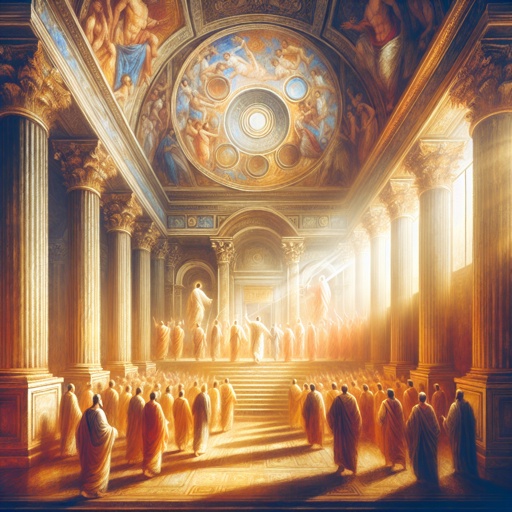
Leviticus 26: 4-6

Leviticus 23:26 - "¶ And the LORD spake unto Moses, saying,"

Leviticus 22:26 - "¶ And the LORD spake unto Moses, saying,"

Leviticus 26:14 - "¶ But if ye will not hearken unto me, and will not do all these commandments;"

Leviticus 25:26 - "And if the man have none to redeem it, and himself be able to redeem it;"

Leviticus 20:22-26 simple picture

Picture to summarize Leviticus 20:22-26

Leviticus 26:23 - "And if ye will not be reformed by me by these things, but will walk contrary unto me;"

Leviticus 26:3 - "¶ If ye walk in my statutes, and keep my commandments, and do them;"

Leviticus 14:26 - "And the priest shall pour of the oil into the palm of his own left hand:"

Leviticus 26:27 - "And if ye will not for all this hearken unto me, but walk contrary unto me;"

Leviticus 26:7 - "And ye shall chase your enemies, and they shall fall before you by the sword."
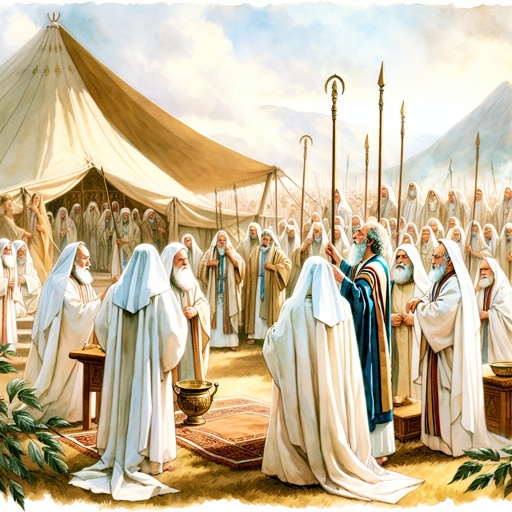
Leviticus 8:1-12

Leviticus 26:10 - "And ye shall eat old store, and bring forth the old because of the new."

Leviticus 26:11 - "And I will set my tabernacle among you: and my soul shall not abhor you."

Leviticus 26:2 - "¶ Ye shall keep my sabbaths, and reverence my sanctuary: I am the LORD."

Leviticus 26:32 - "And I will bring the land into desolation: and your enemies which dwell therein shall be astonished at it."

Leviticus 26:38 - "And ye shall perish among the heathen, and the land of your enemies shall eat you up."
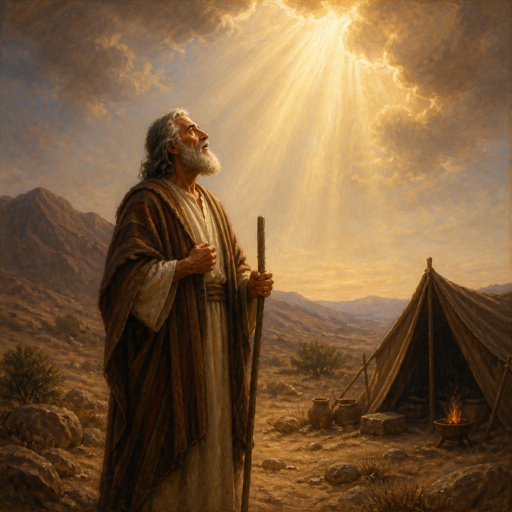
"¶ And the LORD spake unto Moses, saying," - Leviticus 23:26
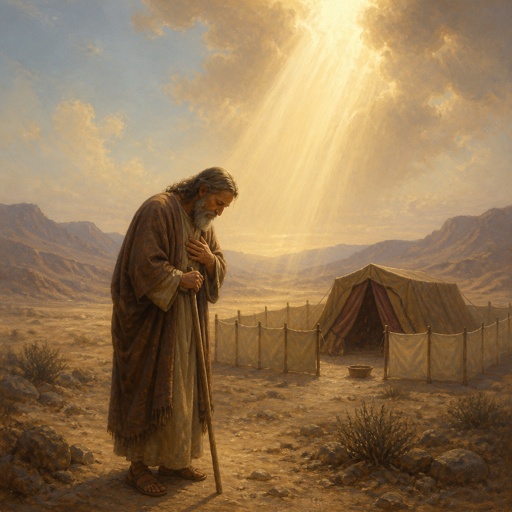
"¶ And the LORD spake unto Moses, saying," - Leviticus 22:26

Genisis 26:12

Leviticus 7:26 - "Moreover ye shall eat no manner of blood, whether it be of fowl or of beast, in any of your dwellings."

Leviticus 6:26 - "The priest that offereth it for sin shall eat it: in the holy place shall it be eaten, in the court of the tabernacle of the congregation."

Leviticus 26:19 - "And I will break the pride of your power; and I will make your heaven as iron, and your earth as brass:"

Leviticus 12:1 - "And the LORD spake unto Moses, saying,"

Leviticus 26:26 - "And when I have broken the staff of your bread, ten women shall bake your bread in one oven, and they shall deliver you your bread again by weight: and ye shall eat, and not be satisfied."