What does Leviticus 26:31 mean?
“And I will make your cities waste, and bring your sanctuaries unto desolation, and I will not smell the savour of your sweet odours.” — Leviticus 26:31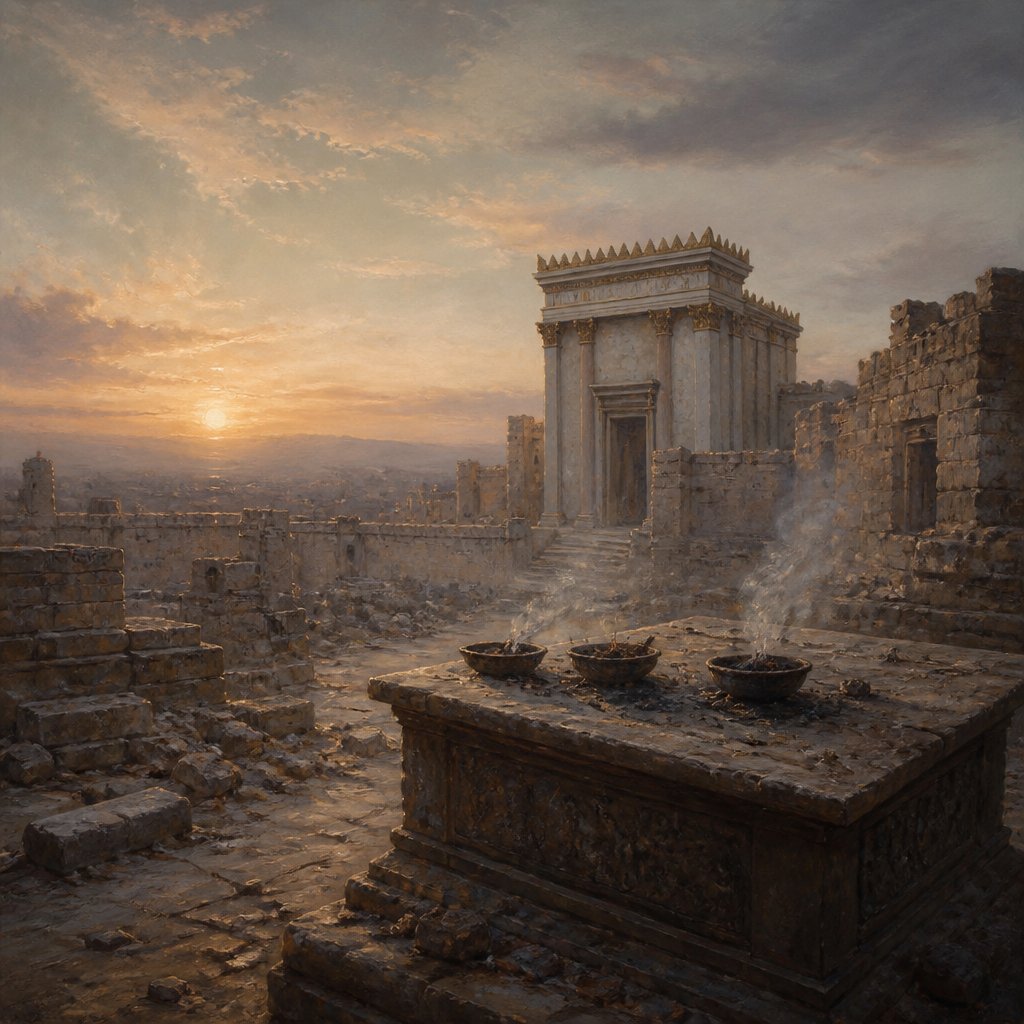
Leviticus 26:31 (KJV) states the following: "And I will make your cities waste, and bring your sanctuaries unto desolation, and I will not smell the savour of your sweet odours."
This passage from the Book of Leviticus is a part of the larger context of God's covenant with the Israelites. In this section, God outlines the blessings for obedience and the consequences for disobedience. Leviticus 26:31 falls under the consequences for disobedience, particularly regarding the destruction of the Israelites' cities and sanctuaries as a result of their disobedience.
To understand the meaning and significance of this verse, it is important to consider the historical and cultural context in which it was written. The Book of Leviticus was written during the time of Moses, and it is part of the Torah, the first five books of the Bible that are foundational to the Jewish faith. The laws and commands given in Leviticus were specifically tailored to the Israelites as they journeyed through the wilderness and established themselves as a nation.
In this verse, God is expressing his displeasure with the Israelites' disobedience and lack of faithfulness. He is warning them of the consequences that will result from their actions, which include the devastation of their cities and the desolation of their sanctuaries. The mention of "sweet odours" refers to the offerings and sacrifices that the Israelites were commanded to present to God as a symbol of their worship and devotion. God is essentially saying that he will no longer accept their offerings and will turn away from their worship.
One of the key themes in this verse is the importance of obedience and faithfulness to God. Throughout the Old Testament, God consistently emphasizes the need for his people to follow his commands and walk in righteousness. The consequences outlined in Leviticus 26:31 serve as a sobering reminder of the seriousness of disobeying God's instructions and the severity of the punishment that awaits those who do so.
Another important theme in this verse is the concept of sacred spaces and the sanctity of worship. The sanctuaries mentioned in the verse were the holy places where the Israelites would gather to worship and offer sacrifices to God. The destruction of these sanctuaries represents the loss of the Israelites' connection to God and the disruption of their spiritual lives. It serves as a powerful warning that disobedience can lead to the loss of the divine presence and the desecration of sacred spaces.
Moreover, the symbolism in this verse is significant. The devastation of the cities and the desolation of the sanctuaries symbolize the breakdown of the Israelites' community and their spiritual life. It also symbolizes the separation between God and his people, as the sweet odours that once pleased God no longer do so.
In conclusion, Leviticus 26:31 is a warning from God to the Israelites about the consequences of their disobedience. It serves as a reminder of the importance of obedience and faithfulness, as well as the sanctity of worship and the consequences of forsaking it. While it is a sobering passage, it also reinforces the idea of God's justice and the need for his people to honor and obey him.
Get our apps


Artwork for Leviticus 26:31
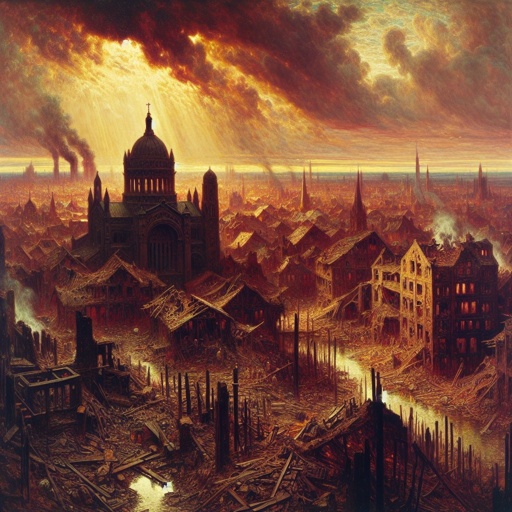
Leviticus 26:31 - "And I will make your cities waste, and bring your sanctuaries unto desolation, and I will not smell the savour of your sweet odours."
"And I will make your cities waste, and bring your sanctuaries unto desolation, and I will not smell the savour of your sweet odours." - Leviticus 26:31

Exodus 26:31

Exodus 26:31

Exodus 26:31

Exodus 26:31-33

Leviticus 26: 4-6

Leviticus 26: 4-6
Leviticus 26: 4-6

Leviticus 23:26 - "¶ And the LORD spake unto Moses, saying,"

Leviticus 22:26 - "¶ And the LORD spake unto Moses, saying,"

Numbers 26:31 - "And of Asriel, the family of the Asrielites: and of Shechem, the family of the Shechemites:"

Leviticus 26:14 - "¶ But if ye will not hearken unto me, and will not do all these commandments;"

Leviticus 25:26 - "And if the man have none to redeem it, and himself be able to redeem it;"

Leviticus 20:22-26 simple picture

Picture to summarize Leviticus 20:22-26

Leviticus 7:31 - "And the priest shall burn the fat upon the altar: but the breast shall be Aaron's and his sons'."

Leviticus 22:31 - "Therefore shall ye keep my commandments, and do them: I am the LORD."

Job 31:26 - "If I beheld the sun when it shined, or the moon walking in brightness;"

Leviticus 16:31 - "It shall be a sabbath of rest unto you, and ye shall afflict your souls, by a statute for ever."

Leviticus 26:23 - "And if ye will not be reformed by me by these things, but will walk contrary unto me;"

Leviticus 26:3 - "¶ If ye walk in my statutes, and keep my commandments, and do them;"

Leviticus 14:26 - "And the priest shall pour of the oil into the palm of his own left hand:"

Leviticus 27:31 - "And if a man will at all redeem ought of his tithes, he shall add thereto the fifth part thereof."

Jeremiah 31:26 - "Upon this I awaked, and beheld; and my sleep was sweet unto me."

Proverbs 31:26 - "She openeth her mouth with wisdom; and in her tongue is the law of kindness."

Leviticus 26:27 - "And if ye will not for all this hearken unto me, but walk contrary unto me;"

Leviticus 26:7 - "And ye shall chase your enemies, and they shall fall before you by the sword."

Leviticus 23:31 - "Ye shall do no manner of work: it shall be a statute for ever throughout your generations in all your dwellings."

Leviticus 26:12 - "And I will walk among you, and will be your God, and ye shall be my people."