What does Leviticus 26:43 mean?
“The land also shall be left of them, and shall enjoy her sabbaths, while she lieth desolate without them: and they shall accept of the punishment of their iniquity: because, even because they despised my judgments, and because their soul abhorred my statutes.” — Leviticus 26:43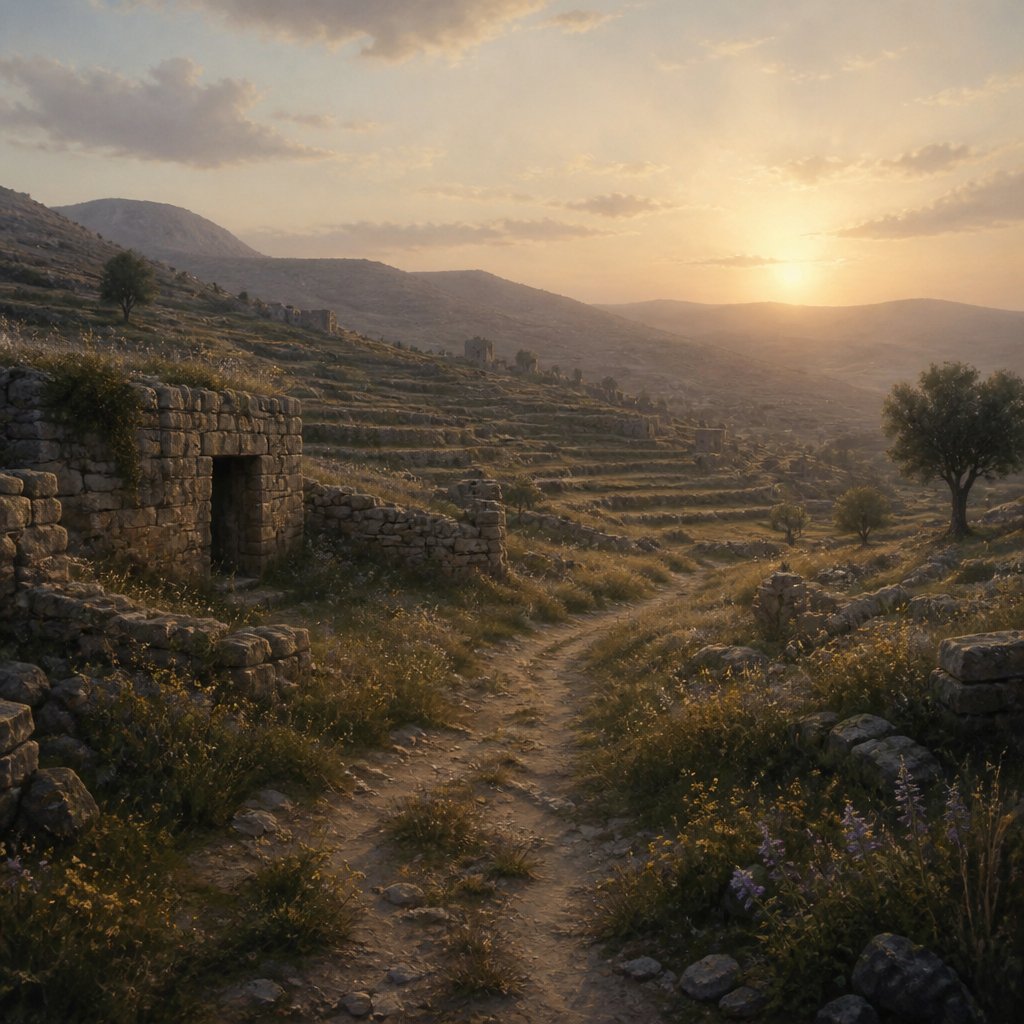
Leviticus 26:43 in the King James Version of the Bible states, "The land also shall be left of them, and shall enjoy her sabbaths, while she lieth desolate without them: and they shall accept of the punishment of their iniquity: because, even because they despised my judgments, and because their soul abhorred my statutes." This verse can be found within the larger context of the Book of Leviticus, which is the third book of the Old Testament. Leviticus is filled with laws and regulations that were given to the Israelites by God, particularly in regards to religious practices, ethical behavior, and moral purity.
In Leviticus 26, specifically, God is outlining a series of blessings and curses that would come upon the people of Israel depending on their obedience or disobedience to His commands. This chapter is essentially a covenantal promise between God and the Israelites, where God promises to bless them if they obey His commandments, and to punish them if they disobey. Leviticus 26:43 falls within the section describing the consequences of their disobedience.
The verse begins by stating that the land will be left desolate and will enjoy its sabbaths without the presence of the Israelites. This is a reference to the Sabbath year, which was a period of rest for the land that occurred every seven years, as commanded by God in Leviticus 25:4. The fact that the land will enjoy its sabbaths while the people are not present indicates a form of divine justice and restoration. It suggests that even when the people are not fulfilling their duties to the land and to God, the land itself will be given the opportunity to rest and recover.
The verse then goes on to explain that the Israelites will accept the punishment of their iniquity. This acceptance of punishment implies a recognition and acknowledgement of their wrongdoings. It shows a sense of accountability and responsibility for their actions. This demonstrates that God's justice is not arbitrary or cruel, but rather rooted in the idea of retribution and accountability.
The verse concludes with an explanation of why the punishment is being administered. It is because the people "despised [God's] judgments" and their souls "abhorred [His] statutes." This points to a deep-seated rejection of God's laws and principles, an active defiance of His authority, and a lack of reverence for His ways. The punishment is a consequence of their deliberate and persistent disobedience.
In terms of themes, Leviticus 26:43 emphasizes the concepts of justice, restoration, and accountability. It demonstrates that God's justice is rooted in the idea of reaping what one sows, and that there are consequences for disobedience. It also highlights the importance of recognizing and acknowledging one's wrongdoings, as well as accepting the consequences of one's actions.
In a broader context, this verse also serves as a reminder of the nature of God's covenant with His people. It reflects the covenantal relationship between God and the Israelites, where obedience is rewarded and disobedience is punished. It underscores the idea that God's laws and statutes are not to be taken lightly, and that there are serious repercussions for disregarding them.
Symbolically, the desolation of the land and the acceptance of punishment can be seen as representations of the consequences of moral and spiritual neglect. The land, in this sense, can symbolize the spiritual health and well-being of the people, which suffers when they neglect their relationship with God and fail to live according to His commands.
In conclusion, Leviticus 26:43 is a verse that carries deep theological and ethical significance. It serves as a reminder of the consequences of disobedience to God's laws, and the importance of recognizing and accepting accountability for one's actions. It reflects the nature of God's covenant with His people and underscores the principles of justice, restoration, and responsibility. Overall, it is a verse that provides profound insights into the nature of God and His relationship with His people.
Get our apps


Artwork for Leviticus 26:43

Leviticus 26:43 - "The land also shall be left of them, and shall enjoy her sabbaths, while she lieth desolate without them: and they shall accept of the punishment of their iniquity: because, even because they despised my judgments, and because their soul abhorred my statutes."
"The land also shall be left of them, and shall enjoy her sabbaths, while she lieth desolate without them: and they shall accept of the punishment of their iniquity: because, even because they despised my judgments, and because their soul abhorred my statutes." - Leviticus 26:43
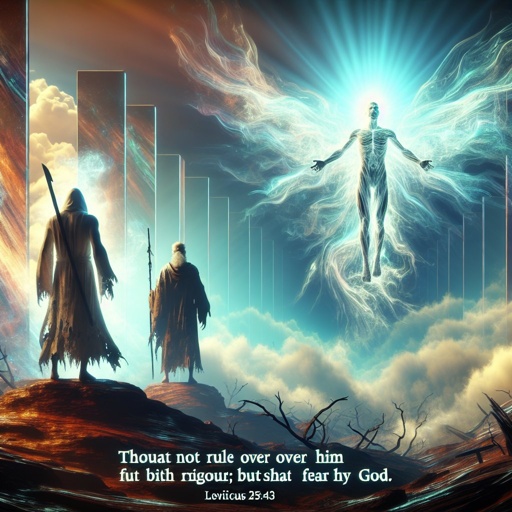
Leviticus 25:43 - "Thou shalt not rule over him with rigour; but shalt fear thy God."

Matthew 26:43 - "And he came and found them asleep again: for their eyes were heavy."

Isaiah 43:26 - "Put me in remembrance: let us plead together: declare thou, that thou mayest be justified."

Numbers 26:43 - "All the families of the Shuhamites, according to those that were numbered of them, were threescore and four thousand and four hundred."

Leviticus 26: 4-6

Leviticus 26: 4-6
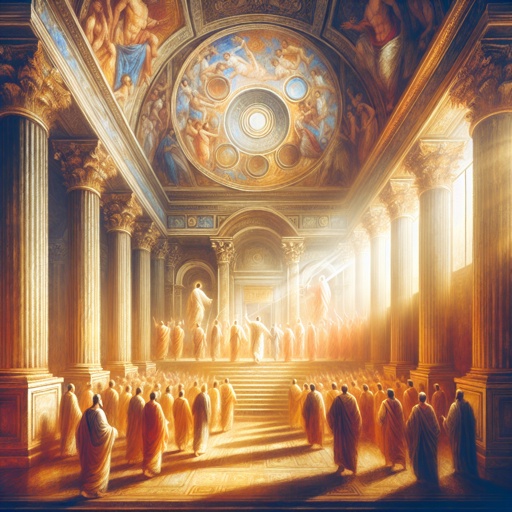
Leviticus 26: 4-6

Genesis 43:26 - "¶ And when Joseph came home, they brought him the present which was in their hand into the house, and bowed themselves to him to the earth."

Leviticus 14:43 - "And if the plague come again, and break out in the house, after that he hath taken away the stones, and after he hath scraped the house, and after it is plaistered;"

Leviticus 23:26 - "¶ And the LORD spake unto Moses, saying,"

Leviticus 22:26 - "¶ And the LORD spake unto Moses, saying,"

Leviticus 13:43 - "Then the priest shall look upon it: and, behold, if the rising of the sore be white reddish in his bald head, or in his bald forehead, as the leprosy appeareth in the skin of the flesh;"

Ezekiel 43:26 - "Seven days shall they purge the altar and purify it; and they shall consecrate themselves." The image should not depict explicit or offensive content but be symbolic.

Leviticus 11:43 - "Ye shall not make yourselves abominable with any creeping thing that creepeth, neither shall ye make yourselves unclean with them, that ye should be defiled thereby."

Leviticus 26:14 - "¶ But if ye will not hearken unto me, and will not do all these commandments;"

Leviticus 25:26 - "And if the man have none to redeem it, and himself be able to redeem it;"

Leviticus 23:43 - "That your generations may know that I made the children of Israel to dwell in booths, when I brought them out of the land of Egypt: I am the LORD your God."

Leviticus 20:22-26 simple picture

Picture to summarize Leviticus 20:22-26

"Thou shalt not rule over him with rigour; but shalt fear thy God." - Leviticus 25:43

Leviticus 26:23 - "And if ye will not be reformed by me by these things, but will walk contrary unto me;"

"Seven days shall they purge the altar and purify it; and they shall consecrate themselves." - Ezekiel 43:26

Leviticus 26:3 - "¶ If ye walk in my statutes, and keep my commandments, and do them;"

Leviticus 14:26 - "And the priest shall pour of the oil into the palm of his own left hand:"

Leviticus 26:27 - "And if ye will not for all this hearken unto me, but walk contrary unto me;"

Leviticus 26:7 - "And ye shall chase your enemies, and they shall fall before you by the sword."

"And he came and found them asleep again: for their eyes were heavy." - Matthew 26:43

Leviticus 26:12 - "And I will walk among you, and will be your God, and ye shall be my people."