
Leviticus 27:1 (KJV) states, "And the Lord spake unto Moses, saying," This verse, while short and seemingly simple, carries within it the weight and significance of a powerful message from the Lord to his servant Moses. To truly understand the depth of this verse, it is important to consider both the context in which it is found in the Book of Leviticus, as well as the broader themes and symbolism that can be drawn from it.
The Book of Leviticus is the third book of the Hebrew Bible, and it is traditionally attributed to Moses as its author. This book is primarily concerned with the religious and moral laws that were to govern the lives of the Israelites. Leviticus is often seen as a guide for the Hebrew people, providing them with instructions on how to live in a way that is pleasing to God. In this context, Leviticus 27:1 serves as a reminder of the divine authority and guidance that Moses received from the Lord.
The verse begins with the phrase, "And the Lord spake unto Moses, saying," thus setting the stage for a direct communication from God to Moses. This form of divine communication is a recurring theme throughout the Bible, and it serves to underscore the notion that the laws and instructions that follow are not simply human constructs, but rather, they are rooted in the will and wisdom of the Almighty. This verse, therefore, establishes the authority of the laws and regulations that are to be laid out in the subsequent passages of Leviticus.
The act of the Lord speaking directly to Moses also serves as a symbolic representation of the unique relationship that Moses had with God. Throughout the Bible, Moses is depicted as a close and trusted servant of the Lord, chosen to lead the Israelites out of slavery in Egypt and to convey God's instructions to his people. The divine communication in Leviticus 27:1 thus reinforces the idea of Moses as a revered figure who was given the tremendous responsibility of conveying God's will to the people.
Beyond its immediate context in Leviticus, this verse can also be seen as emblematic of the broader theme of divine communication and guidance in the Bible. The concept of God speaking to his chosen messengers is central to many biblical narratives, and it serves to emphasize the belief that the laws and teachings of the Bible are not simply the result of human wisdom, but rather, they are rooted in divine inspiration. This notion of divine guidance is central to the faith of many believers, who see the Bible as a source of transcendent wisdom and truth.
Furthermore, the phrase "And the Lord spake unto Moses, saying," can also be interpreted as a call to obedience and reverence for the word of God. In this sense, the verse serves as a reminder of the importance of heeding and following the instructions that are to follow in the Book of Leviticus. By framing the subsequent laws and regulations as direct communications from the Lord, the verse emphasizes the sanctity and authority of these teachings, calling upon the readers to approach them with humility and reverence.
In conclusion, Leviticus 27:1 is a verse that carries within it the weight of divine authority and guidance. It serves as a reminder of the unique relationship between Moses and God, as well as the broader theme of divine communication and guidance that runs throughout the Bible. As readers engage with this verse, they are called to approach the subsequent laws and teachings of the Book of Leviticus with a sense of reverence and obedience, recognizing them as direct communications from the Almighty.
Get our apps


Artwork for Leviticus 27:1

Leviticus 27:1 - "And the LORD spake unto Moses, saying,"

"And the LORD spake unto Moses, saying," - Leviticus 27:1

Leviticus 27

Leviticus 27

Leviticus 27

Leviticus 27:4 - "And if it be a female, then thy estimation shall be thirty shekels."

Leviticus 27:27 - "And if it be of an unclean beast, then he shall redeem it according to thine estimation, and shall add a fifth part of it thereto: or if it be not redeemed, then it shall be sold according to thy estimation."

Leviticus 26:27 - "And if ye will not for all this hearken unto me, but walk contrary unto me;"

Leviticus 27:34 - "These are the commandments, which the LORD commanded Moses for the children of Israel in mount Sinai."

Leviticus 27:25 - "And all thy estimations shall be according to the shekel of the sanctuary: twenty gerahs shall be the shekel."

Leviticus 27:13 - "But if he will at all redeem it, then he shall add a fifth part thereof unto thy estimation."

Leviticus 27:30 - "And all the tithe of the land, whether of the seed of the land, or of the fruit of the tree, is the LORD'S: it is holy unto the LORD."

Leviticus 27:17 - "If he sanctify his field from the year of jubile, according to thy estimation it shall stand."

Leviticus 18:27 - "(For all these abominations have the men of the land done, which were before you, and the land is defiled;)"

Leviticus 27:31 - "And if a man will at all redeem ought of his tithes, he shall add thereto the fifth part thereof."

Leviticus 27:12 - "And the priest shall value it, whether it be good or bad: as thou valuest it, who art the priest, so shall it be."

Leviticus 27:20 - "And if he will not redeem the field, or if he have sold the field to another man, it shall not be redeemed any more."

Leviticus 19:27 - "Ye shall not round the corners of your heads, neither shalt thou mar the corners of thy beard."

Leviticus 27:22 - "And if a man sanctify unto the LORD a field which he hath bought, which is not of the fields of his possession;"

Leviticus 27:7 - "And if it be from sixty years old and above; if it be a male, then thy estimation shall be fifteen shekels, and for the female ten shekels."

Leviticus 27:32 - "And concerning the tithe of the herd, or of the flock, even of whatsoever passeth under the rod, the tenth shall be holy unto the LORD."

Leviticus 27:26 - "¶ Only the firstling of the beasts, which should be the LORD'S firstling, no man shall sanctify it; whether it be ox, or sheep: it is the LORD'S."
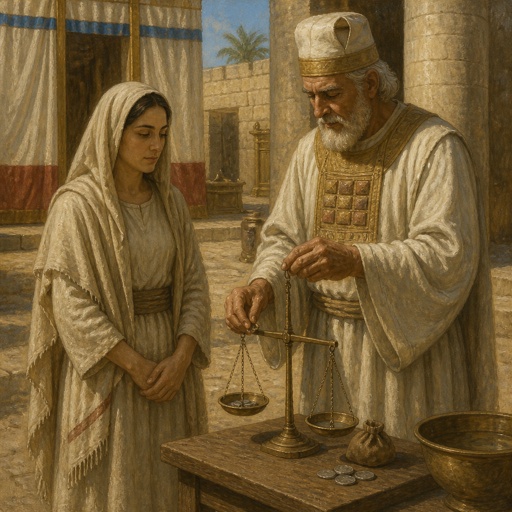
"And if it be a female, then thy estimation shall be thirty shekels." - Leviticus 27:4

Leviticus 27:21 - "But the field, when it goeth out in the jubile, shall be holy unto the LORD, as a field devoted; the possession thereof shall be the priest's."

Leviticus 14:27 - "And the priest shall sprinkle with his right finger some of the oil that is in his left hand seven times before the LORD:"

Leviticus 27:9 - "And if it be a beast, whereof men bring an offering unto the LORD, all that any man giveth of such unto the LORD shall be holy."

Leviticus 27:11 - "And if it be any unclean beast, of which they do not offer a sacrifice unto the LORD, then he shall present the beast before the priest:"

Leviticus 27:15 - "And if he that sanctified it will redeem his house, then he shall add the fifth part of the money of thy estimation unto it, and it shall be his."

Leviticus 8:27 - "And he put all upon Aaron's hands, and upon his sons' hands, and waved them for a wave offering before the LORD."
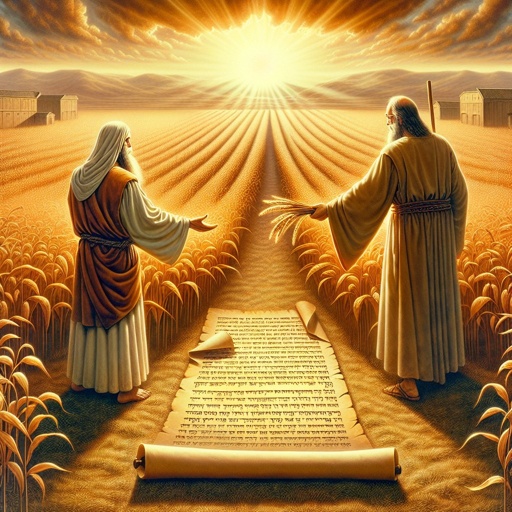
Leviticus 27:24 - "In the year of the jubile the field shall return unto him of whom it was bought, even to him to whom the possession of the land did belong."