What does Leviticus 5:9 mean?
“And he shall sprinkle of the blood of the sin offering upon the side of the altar; and the rest of the blood shall be wrung out at the bottom of the altar: it is a sin offering.” — Leviticus 5:9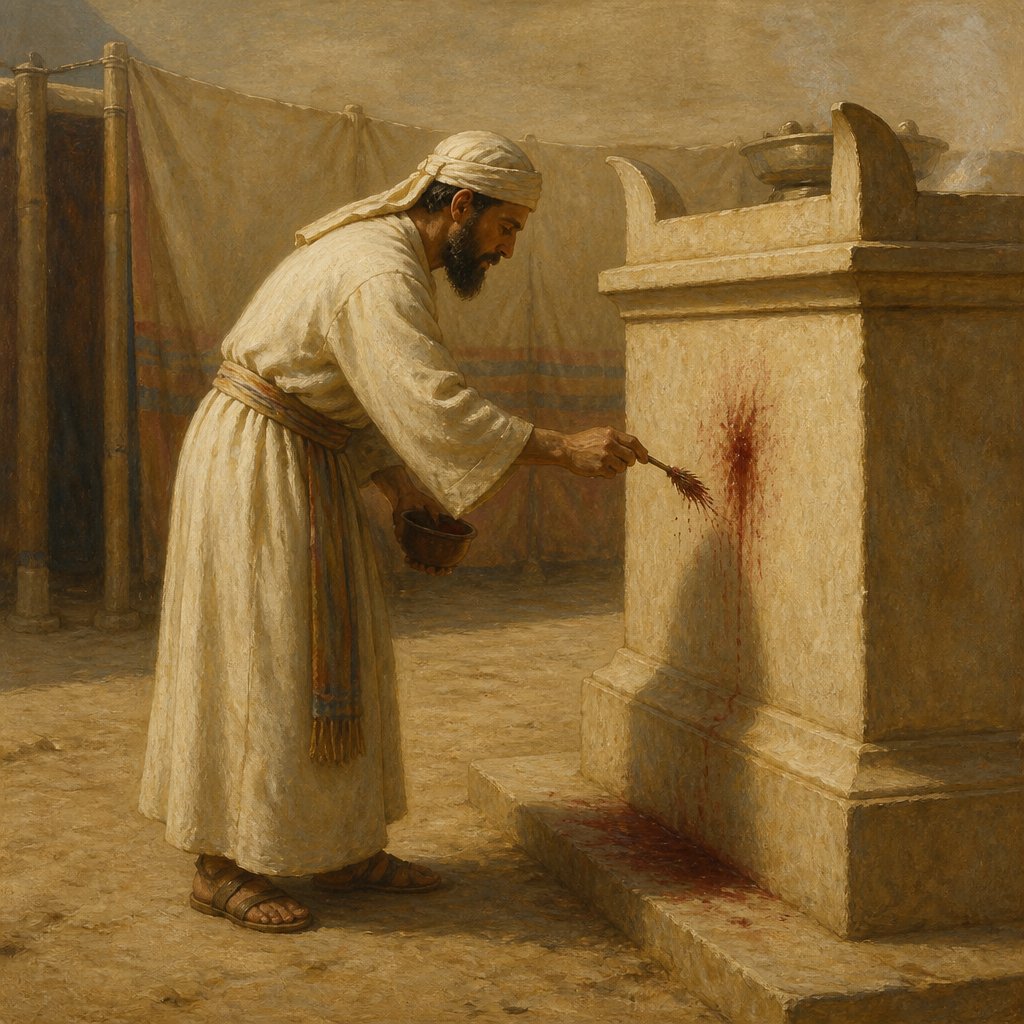
Leviticus 5:9 (KJV) states, “And he shall sprinkle of the blood of the sin offering upon the side of the altar; and the rest of the blood shall be wrung out at the bottom of the altar: it is a sin offering.”
This verse is part of the Old Testament law, specifically outlining the procedures for offering a sin offering to the Lord. In order to fully understand the meaning and significance of this verse, it is important to examine the broader context of Leviticus and the historical and cultural background in which it was written.
Leviticus is the third book of the Bible and it primarily deals with the practices and rituals of the ancient Israelites. It was written by Moses and is part of the Torah, which is the first five books of the Hebrew Bible. The book of Leviticus focuses on the importance of holiness and the necessity of following God’s commandments in order to maintain a relationship with Him.
The sin offering described in Leviticus 5:9 was a specific type of sacrifice that was required when an individual had committed a sin, whether knowingly or unknowingly. The purpose of the sin offering was to atone for the person’s wrongdoing and seek forgiveness from God. The shedding of blood and the sprinkling of it on the altar emphasized the seriousness of sin and the need for a proper sacrificial process to restore the individual's relationship with God.
The act of sprinkling the blood of the sin offering on the side of the altar was symbolic of the transfer of the person’s sin to the animal being sacrificed. It represented the idea of substitution, where the innocent animal would bear the guilt and punishment for the individual’s transgression. The act of wringing out the rest of the blood at the bottom of the altar signified the completion of the offering and the covering of the person’s sin before God.
In the broader context of Leviticus and the Old Testament, the sin offering also foreshadowed the ultimate sacrifice of Jesus Christ on the cross. As the New Testament reveals, Jesus became the ultimate sin offering for humanity, shedding His blood to atone for the sins of the world. His sacrifice fulfilled the requirements of the Old Testament law and provided a way for people to be reconciled to God.
One of the key themes of Leviticus 5:9 is the concept of atonement and forgiveness. The sin offering served as a means for the Israelites to seek reconciliation with God and receive His forgiveness for their sins. It emphasized the need for repentance and the acknowledgement of wrongdoing, as well as the importance of making amends through a designated sacrificial process.
Another important theme in this verse is the idea of ritual purity and holiness. The specific instructions for the sin offering highlighted the meticulousness and precision required in approaching God. It underscored the significance of maintaining a pure and holy relationship with God, and the consequences of sin that needed to be addressed through proper channels.
In conclusion, Leviticus 5:9 provides insight into the ancient Israelite practices of offering a sin offering and seeking forgiveness from God. It also points to the deeper spiritual truth of the need for atonement and the ultimate sacrifice of Jesus Christ. This verse serves as a reminder of the seriousness of sin, the necessity of seeking forgiveness, and the hope of reconciliation with God through the shedding of blood.


