What does Leviticus 7:16 mean?
“But if the sacrifice of his offering be a vow, or a voluntary offering, it shall be eaten the same day that he offereth his sacrifice: and on the morrow also the remainder of it shall be eaten:” — Leviticus 7:16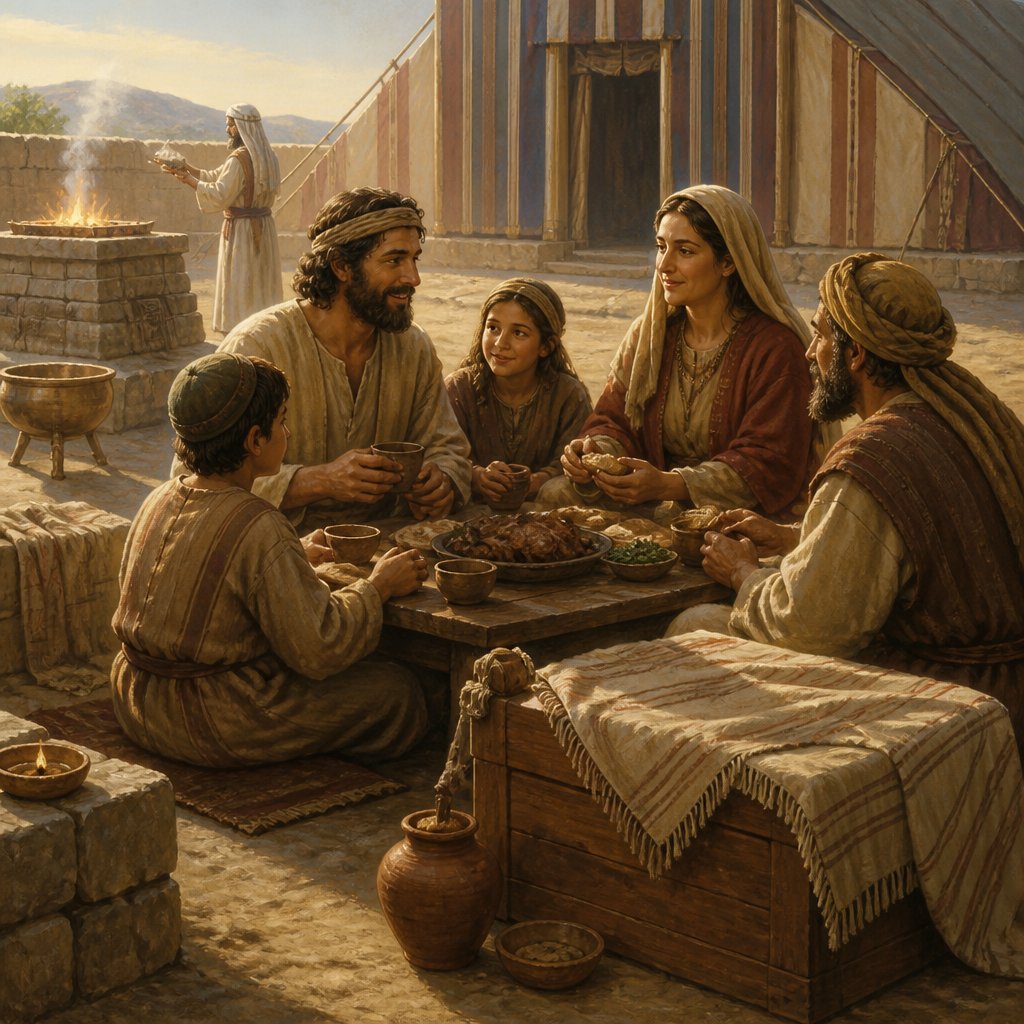
Leviticus 7:16 (KJV) states: “But if the sacrifice of his offering be a vow, or a voluntary offering, it shall be eaten the same day that he offereth his sacrifice: and on the morrow also the remainder of it shall be eaten:”
The book of Leviticus is the third book of the Hebrew Bible and the Old Testament. It is full of laws and regulations for the Israelites, specifically regarding their religious practices and the proper ways to make offerings and sacrifices to God. Because of its detailed instructions and regulations, Leviticus is often considered the source of Jewish religious laws and practices.
In Leviticus 7:16, the verse talks about the types of offerings that can be made to God, specifically focusing on the vow or voluntary offerings. These were sacrifices made by individuals to fulfill a vow or as a voluntary act of worship and thanksgiving to God. This verse outlines the rules for consuming these offerings, stating that they must be eaten on the same day they are offered, and any remainder must be eaten the following day.
The theme of this verse revolves around the importance of fulfilling commitments and vows made to God. It emphasizes the significance of keeping one’s word and honoring the promises made to God through offering sacrifices. It also highlights the idea of thanksgiving and voluntary worship, suggesting that individuals have the freedom to express their gratitude and devotion to God through their offerings.
Contextually, this verse falls within the larger context of the regulations for various types of offerings in the tabernacle. Leviticus is a book that provides detailed instructions on how the Israelites were to approach God, make atonement for sins, and demonstrate their reverence and devotion through various offerings and sacrifices. The specific rules for different types of offerings, including the vow or voluntary offerings, were aimed at ensuring that the Israelites honored God appropriately and followed the prescribed practices for their religious rituals.
Symbolically, the act of offering a vow or voluntary offering can be seen as a representation of the individual’s commitment and dedication to God. By making these sacrifices, people were demonstrating their willingness to fulfill their promises and show their gratitude to God. The consumption of the offering on the same day and the following day symbolizes the idea of completeness and fullness, suggesting that the individual’s offering is fully dedicated to God and not left unfinished.
Additionally, the idea of sharing the remainder of the offering the next day could symbolize the concept of community and sharing in the worship of God. This act of sharing could represent the importance of unity and fellowship among the people of Israel as they came together to honor and worship God.
In conclusion, Leviticus 7:16 provides insight into the regulations for vow and voluntary offerings in the context of ancient Israelite worship practices. It emphasizes the importance of fulfilling commitments to God and demonstrates the significance of thanksgiving and voluntary worship. Symbolically, the verse conveys the ideas of dedication, completeness, and community in the worship of God. Overall, this verse serves as a reminder of the importance of honoring one’s vows and expressing gratitude to God through acts of worship and sacrifice.
Get our apps


Artwork for Leviticus 7:16
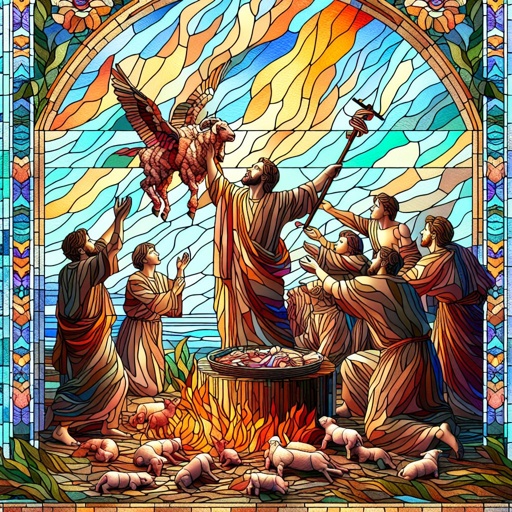
Leviticus 7:16 - "But if the sacrifice of his offering be a vow, or a voluntary offering, it shall be eaten the same day that he offereth his sacrifice: and on the morrow also the remainder of it shall be eaten:"
"But if the sacrifice of his offering be a vow, or a voluntary offering, it shall be eaten the same day that he offereth his sacrifice: and on the morrow also the remainder of it shall be eaten:" - Leviticus 7:16

leviticus 16:7-10

Leviticus 16:7 - "And he shall take the two goats, and present them before the LORD at the door of the tabernacle of the congregation."
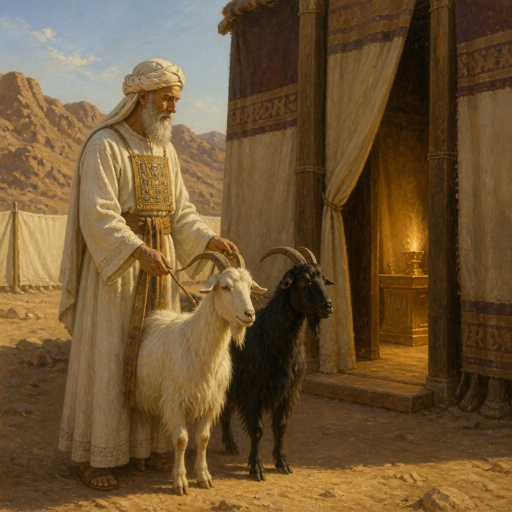
"And he shall take the two goats, and present them before the LORD at the door of the tabernacle of the congregation." - Leviticus 16:7

Leviticus 16:8

Leviticus 17:7

Leviticus 21:16 - "¶ And the LORD spake unto Moses, saying,"

Leviticus 9:16 - "And he brought the burnt offering, and offered it according to the manner."

Leviticus 4:16 - "And the priest that is anointed shall bring of the bullock's blood to the tabernacle of the congregation:"

Leviticus 11:16 - "And the owl, and the night hawk, and the cuckow, and the hawk after his kind,"

Leviticus 16:25 - "And the fat of the sin offering shall he burn upon the altar."

Leviticus 7:22 - "¶ And the LORD spake unto Moses, saying,"

Leviticus 7:28 - "¶ And the LORD spake unto Moses, saying,"

Leviticus 18:16 - "Thou shalt not uncover the nakedness of thy brother's wife: it is thy brother's nakedness."

Leviticus 7:1 - "Likewise this is the law of the trespass offering: it is most holy."

Leviticus 7:7 - "As the sin offering is, so is the trespass offering: there is one law for them: the priest that maketh atonement therewith shall have it."

Leviticus 19:7 - "And if it be eaten at all on the third day, it is abominable; it shall not be accepted."

Leviticus 7:17 - "But the remainder of the flesh of the sacrifice on the third day shall be burnt with fire."

Leviticus 16:31 - "It shall be a sabbath of rest unto you, and ye shall afflict your souls, by a statute for ever."

Leviticus 13:16 - "Or if the raw flesh turn again, and be changed unto white, he shall come unto the priest;"

Leviticus 17:16 - "But if he wash them not, nor bathe his flesh; then he shall bear his iniquity."
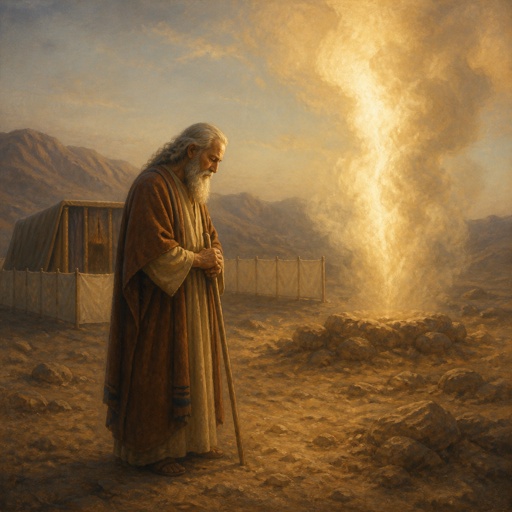
"¶ And the LORD spake unto Moses, saying," - Leviticus 21:16

Leviticus 16:9 - "And Aaron shall bring the goat upon which the LORD'S lot fell, and offer him for a sin offering."

Leviticus 16:3 - "Thus shall Aaron come into the holy place: with a young bullock for a sin offering, and a ram for a burnt offering."

Leviticus 16:8 - "And Aaron shall cast lots upon the two goats; one lot for the LORD, and the other lot for the scapegoat."

Leviticus 3:7 - "If he offer a lamb for his offering, then shall he offer it before the LORD."

Leviticus 7:3 - "And he shall offer of it all the fat thereof; the rump, and the fat that covereth the inwards,"

Leviticus 26:7 - "And ye shall chase your enemies, and they shall fall before you by the sword."
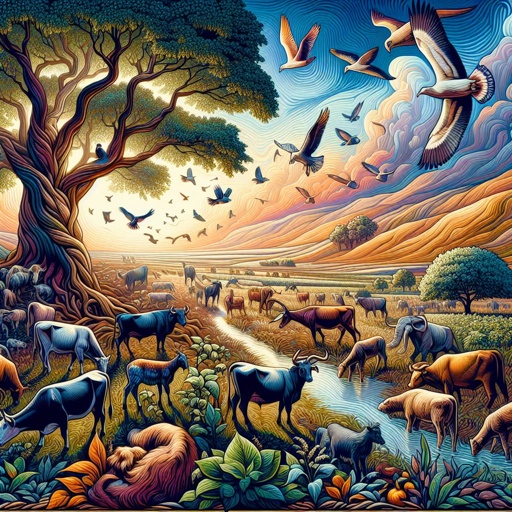
Leviticus 25:7 - "And for thy cattle, and for the beast that are in thy land, shall all the increase thereof be meat."