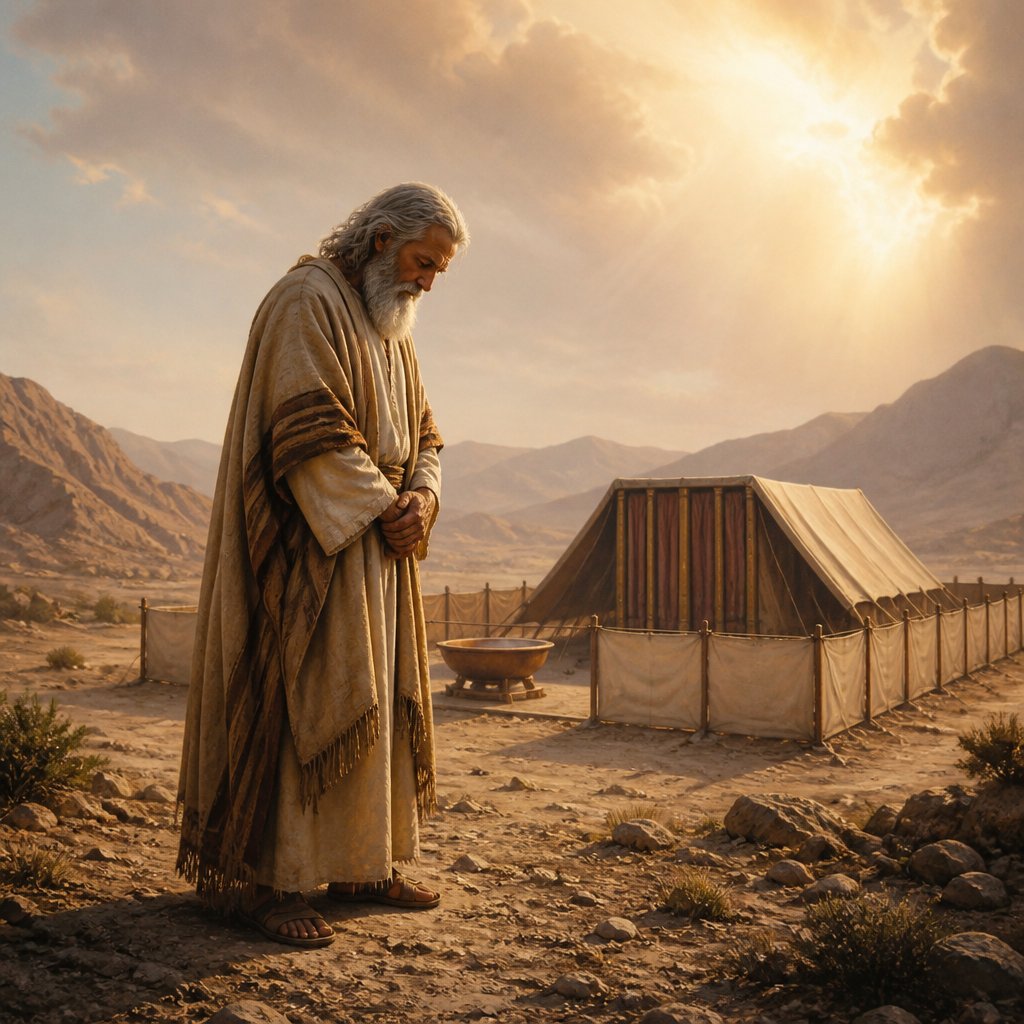
Leviticus 7:22 (KJV) states, "And the Lord spake unto Moses, saying, Speak unto the children of Israel, saying, Ye shall eat no manner of fat, of ox, or of sheep, or of goat."
The book of Leviticus is the third book of the Bible and is considered one of the books of the Pentateuch, also known as the Torah. It is primarily concerned with the rituals and regulations of the Israelites, and it provides detailed instructions for the priesthood and the people of Israel. In this verse, God is giving Moses specific instructions regarding the dietary laws for the children of Israel.
The dietary laws outlined in Leviticus 7:22 are an important aspect of the Mosaic law, and they served as a way to set the Israelites apart from the surrounding nations. The prohibition against eating the fat of ox, sheep, or goat was a way for the Israelites to demonstrate their obedience to God and their commitment to holiness. The consumption of fat was often associated with richness and indulgence, and by abstaining from it, the Israelites were symbolically demonstrating their willingness to prioritize their spiritual relationship with God over physical desires.
It is important to note that the dietary laws outlined in this verse were more than just rules for eating. They were also a way for the Israelites to express their gratitude to God for the provision of food. By abstaining from certain types of fat, the children of Israel were acknowledging that all things come from God and that they were willing to follow His commands out of reverence and respect.
Furthermore, this verse highlights the concept of purity and cleanliness in the eyes of God. The emphasis on not eating the fat of certain animals was a way for the Israelites to maintain ritual purity and to ensure that they remained separate from the practices of the surrounding nations. By adhering to these dietary laws, the Israelites were demonstrating their commitment to living according to God's standards and not being influenced by the customs of the pagan societies around them.
Additionally, the dietary laws provided a way for the Israelites to show their trust in God's wisdom and guidance. By obeying the specific instructions given by God, the children of Israel were expressing their faith in His authority and their willingness to submit to His will. These laws were a tangible way for the Israelites to demonstrate their faith and devotion to God.
Overall, Leviticus 7:22 serves as a reminder of the importance of obedience, purity, and reverence in the lives of the Israelites. The dietary laws outlined in this verse served as a way for the Israelites to demonstrate their commitment to God and their willingness to live according to His commands. The symbolism of these laws extends beyond mere dietary restrictions and speaks to the deeper spiritual principles of faith, gratitude, and reverence for God. This verse continues to serve as a reminder for believers today to prioritize their spiritual relationship with God and to demonstrate their commitment to living in accordance with His will.
Get our apps


Artwork for Leviticus 7:22

Leviticus 7:22 - "¶ And the LORD spake unto Moses, saying,"

"¶ And the LORD spake unto Moses, saying," - Leviticus 7:22

Leviticus 22:7 - "And when the sun is down, he shall be clean, and shall afterward eat of the holy things; because it is his food."
Leviticus 11:22

Leviticus 23:15-22

Leviticus 23:17-22
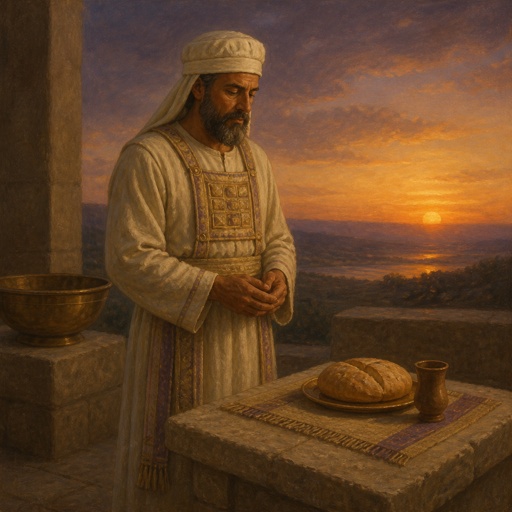
"And when the sun is down, he shall be clean, and shall afterward eat of the holy things; because it is his food." - Leviticus 22:7

Leviticus 22:17 - "¶ And the LORD spake unto Moses, saying,"

Leviticus 22:1 - "And the LORD spake unto Moses, saying,"

Leviticus 22:26 - "¶ And the LORD spake unto Moses, saying,"

Leviticus 18:22 - "Thou shalt not lie with mankind, as with womankind: it is abomination."

Leviticus 17:7

Leviticus 20:22-26 simple picture

Picture to summarize Leviticus 20:22-26

leviticus 16:7-10

Leviticus 22:20 - "But whatsoever hath a blemish, that shall ye not offer: for it shall not be acceptable for you."

Leviticus 13:22 - "And if it spread much abroad in the skin, then the priest shall pronounce him unclean: it is a plague."

Leviticus 21:22 - "He shall eat the bread of his God, both of the most holy, and of the holy."

Leviticus 22:33 - "That brought you out of the land of Egypt, to be your God: I am the LORD."

Leviticus 22:29 - "And when ye will offer a sacrifice of thanksgiving unto the LORD, offer it at your own will."

Leviticus 22:15 - "And they shall not profane the holy things of the children of Israel, which they offer unto the LORD;"

Leviticus 22:22 - "Blind, or broken, or maimed, or having a wen, or scurvy, or scabbed, ye shall not offer these unto the LORD, nor make an offering by fire of them upon the altar unto the LORD."

Leviticus 22:19 - "Ye shall offer at your own will a male without blemish, of the beeves, of the sheep, or of the goats."

Leviticus 7:28 - "¶ And the LORD spake unto Moses, saying,"

Leviticus 22:31 - "Therefore shall ye keep my commandments, and do them: I am the LORD."

Leviticus 22:28 - "And whether it be cow or ewe, ye shall not kill it and her young both in one day."

Leviticus 7:1 - "Likewise this is the law of the trespass offering: it is most holy."

Leviticus 7:7 - "As the sin offering is, so is the trespass offering: there is one law for them: the priest that maketh atonement therewith shall have it."

Leviticus 22:12 - "If the priest's daughter also be married unto a stranger, she may not eat of an offering of the holy things."

"¶ And the LORD spake unto Moses, saying," - Leviticus 22:17