What does Leviticus 7:25 mean?
“For whosoever eateth the fat of the beast, of which men offer an offering made by fire unto the LORD, even the soul that eateth it shall be cut off from his people.” — Leviticus 7:25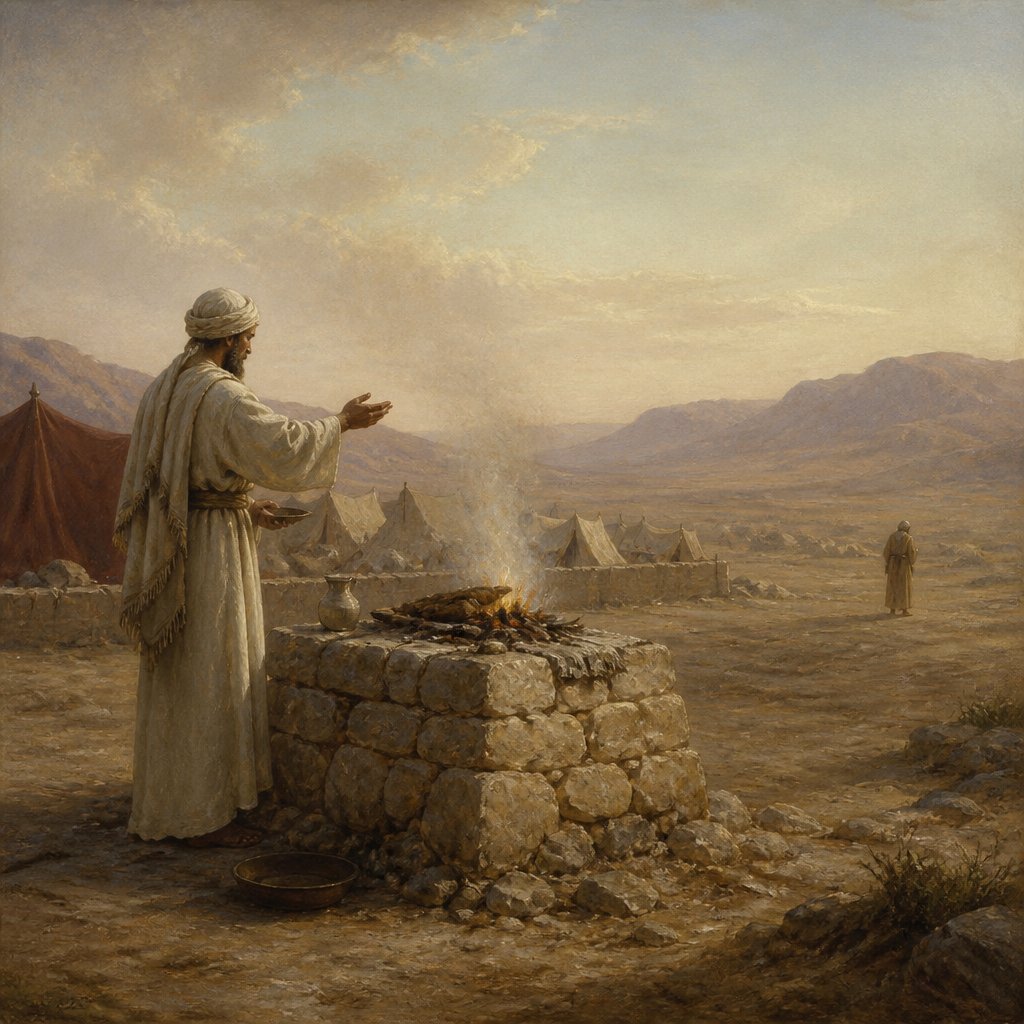
Leviticus 7:25 (KJV) states, "For whosoever eateth the fat of the beast, of which men offer an offering made by fire unto the Lord, even the soul that eateth it shall be cut off from his people."
To fully understand the meaning and significance of this verse, it is important to look at the context in which it was written. Leviticus is the third book of the Hebrew Bible and the Old Testament, and it focuses on the holiness and purity of the Israelites. The verse is part of the detailed laws and regulations given to the Israelites by God through Moses. These laws were intended to guide the Israelites in their worship and moral conduct, as well as to set them apart as a holy people.
The specific verse 7:25 addresses the prohibition of consuming the fat of an animal that has been offered as a burnt offering to the Lord. This regulation was a part of the broader system of sacrifices and offerings in ancient Israelite religion. The fat of the animal was considered the choicest part and was to be entirely devoted to God as a sign of reverence and respect for His authority. By consuming the fat, one would be disregarding the sacredness of the offering and showing disrespect to the Lord. As a result, the punishment for violating this commandment was severe – being "cut off from his people" implied expulsion from the community and separation from God's chosen nation.
Symbolically, the fat of the animal represented the best and most valuable part of the sacrifice. It symbolized a willingness to give up something precious for the sake of honoring God. By abstaining from consuming the fat, the Israelites were demonstrating their obedience and commitment to God's laws. This act of sacrifice and self-discipline was meant to cultivate a spirit of reverence and humility before God.
Furthermore, the prohibition against consuming the fat of the offering underscored the principle of holiness. The Israelites were called to be a holy people, set apart for God's purposes. By adhering to the dietary restrictions, they were reminded of their distinct identity as the chosen nation of God. Through obedience to these laws, the Israelites were to demonstrate their loyalty and fidelity to the covenant relationship with God.
This verse also illustrates the seriousness of sin and disobedience in the eyes of God. The consequence of being "cut off from his people" highlights the severity of the punishment for defiantly violating God's commandments. It serves as a reminder of the importance of maintaining purity and righteousness in one's conduct and adhering to the laws of God. It also emphasizes the significance of communal accountability and the responsibility of each individual to uphold the moral and religious standards of the community.
In contemporary Christianity, the dietary regulations and sacrificial system outlined in Leviticus are no longer practiced, as they were fulfilled in the atoning sacrifice of Jesus Christ. However, the underlying principles of reverence, obedience, and holiness remain relevant. The essence of this verse can be applied to the Christian life as a call to honor God and live in obedience to His will.
In conclusion, Leviticus 7:25 carries a profound message about reverence, obedience, and holiness. It underscores the significance of honoring God's authority, maintaining moral purity, and upholding the communal standards of righteousness. It serves as a timeless reminder of the importance of living a life that is pleasing and acceptable to God.
Get our apps


Artwork for Leviticus 7:25

Leviticus 7:25 - "For whosoever eateth the fat of the beast, of which men offer an offering made by fire unto the LORD, even the soul that eateth it shall be cut off from his people."
"For whosoever eateth the fat of the beast, of which men offer an offering made by fire unto the LORD, even the soul that eateth it shall be cut off from his people." - Leviticus 7:25
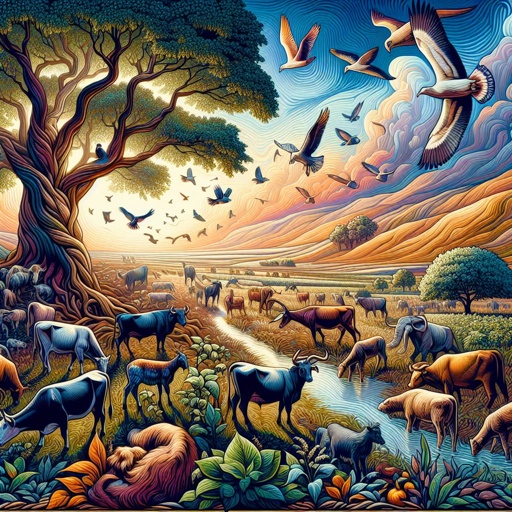
Leviticus 25:7 - "And for thy cattle, and for the beast that are in thy land, shall all the increase thereof be meat."

Cycle of sabbath rest year. Leviticus 25:1-7
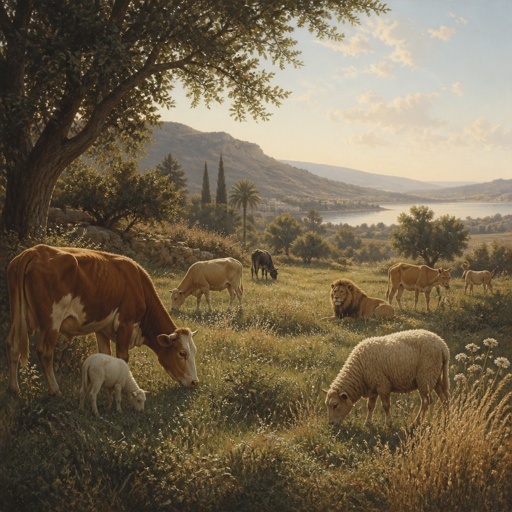
"And for thy cattle, and for the beast that are in thy land, shall all the increase thereof be meat." - Leviticus 25:7

Leviticus 25:26 - "And if the man have none to redeem it, and himself be able to redeem it;"

Leviticus 25:34 - "But the field of the suburbs of their cities may not be sold; for it is their perpetual possession."

Leviticus 25:1 - "And the LORD spake unto Moses in mount Sinai, saying,"

Leviticus 16:25 - "And the fat of the sin offering shall he burn upon the altar."

Leviticus 25:24 - "And in all the land of your possession ye shall grant a redemption for the land."

Leviticus 17:7

Leviticus 25:13 - "In the year of this jubile ye shall return every man unto his possession."

Leviticus 25:23 - "¶ The land shall not be sold for ever: for the land is mine; for ye are strangers and sojourners with me."
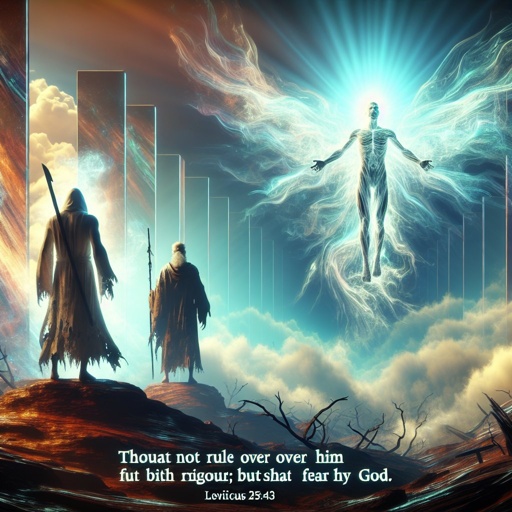
Leviticus 25:43 - "Thou shalt not rule over him with rigour; but shalt fear thy God."

Leviticus 25:32 - "Notwithstanding the cities of the Levites, and the houses of the cities of their possession, may the Levites redeem at any time."

Leviticus 27:25 - "And all thy estimations shall be according to the shekel of the sanctuary: twenty gerahs shall be the shekel."

Leviticus 25:25 - "¶ If thy brother be waxen poor, and hath sold away some of his possession, and if any of his kin come to redeem it, then shall he redeem that which his brother sold."

Leviticus 25:12 - "For it is the jubile; it shall be holy unto you: ye shall eat the increase thereof out of the field."

Leviticus 25:40 - "But as an hired servant, and as a sojourner, he shall be with thee, and shall serve thee unto the year of jubile:"

leviticus 16:7-10

Leviticus 25:42 - "For they are my servants, which I brought forth out of the land of Egypt: they shall not be sold as bondmen."
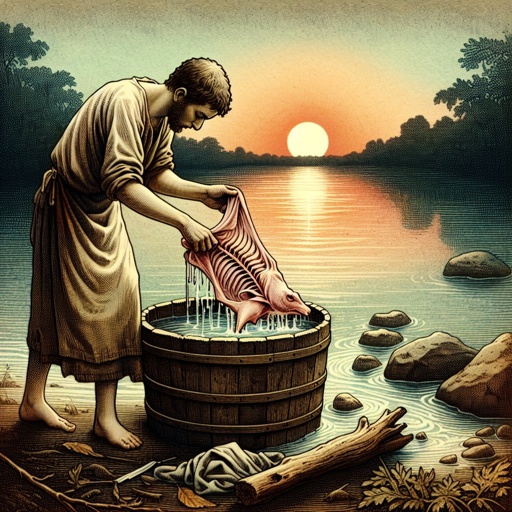
Leviticus 11:25 - "And whosoever beareth ought of the carcase of them shall wash his clothes, and be unclean until the even."

Leviticus 25:48 - "After that he is sold he may be redeemed again; one of his brethren may redeem him:"

Leviticus 25:36 - "Take thou no usury of him, or increase: but fear thy God; that thy brother may live with thee."

Leviticus 25:19 - "And the land shall yield her fruit, and ye shall eat your fill, and dwell therein in safety."

Leviticus 25:21 - "Then I will command my blessing upon you in the sixth year, and it shall bring forth fruit for three years."

Leviticus 25:37 - "Thou shalt not give him thy money upon usury, nor lend him thy victuals for increase."

Leviticus 23:25 - "Ye shall do no servile work therein: but ye shall offer an offering made by fire unto the LORD."

Leviticus 7:22 - "¶ And the LORD spake unto Moses, saying,"

Leviticus 7:28 - "¶ And the LORD spake unto Moses, saying,"