What does Leviticus 9:11 mean?
“And the flesh and the hide he burnt with fire without the camp.” — Leviticus 9:11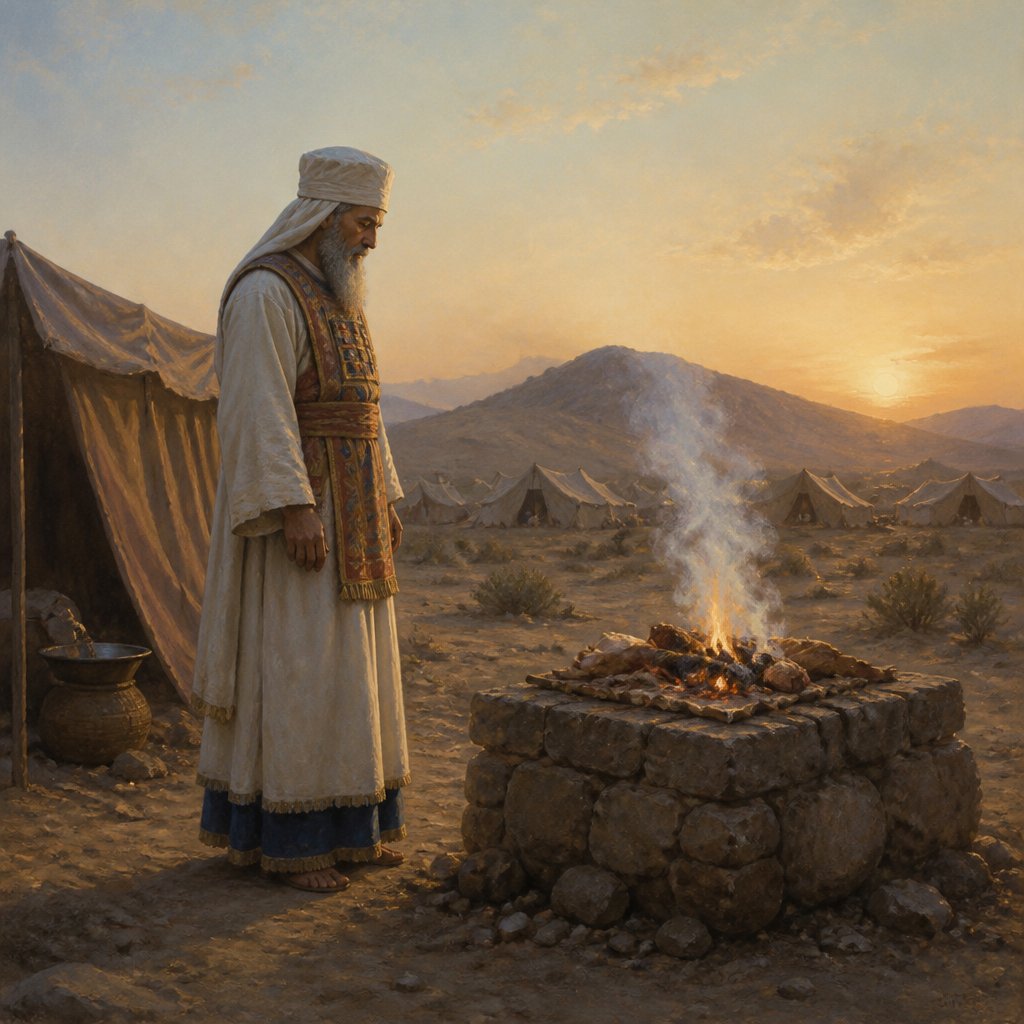
Leviticus 9:11 (KJV) reads, "And the flesh and the hide he burnt with fire without the camp. As for the bullock and his hide, his flesh, and his dung, he burnt with fire without the camp."
This verse comes from the book of Leviticus in the Old Testament, which is largely concerned with the laws and regulations for the Israelites and their worship. This particular verse is found within the context of the ordination of Aaron and his sons as priests, and it describes the process of the burnt offering brought to the altar by the Israelites.
In order to fully understand the meaning and significance of Leviticus 9:11, it is important to consider the broader historical and cultural context of the verse. The book of Leviticus was written during a time when the Israelites were wandering in the wilderness after their escape from Egypt. The people of Israel had a unique covenant with God, and the laws and rituals outlined in Leviticus were meant to help them maintain this covenant and remain in righteous fellowship with God.
The burnt offering described in this verse was a significant and symbolic ritual in ancient Israelite worship. It involved the complete burning of an animal on the altar as a way of expressing devotion and atonement for sin. The burning of the flesh and hide "without the camp" was a way of purifying the community and separating the impure from the holy. By removing the carcass from the camp, the Israelites were symbolically removing the impurity and sin from their midst, demonstrating their commitment to holiness and purity before God.
In addition to its ritual significance, Leviticus 9:11 also carries deeper spiritual and moral themes. The act of burning the flesh and hide "without the camp" can be seen as an allegory for the purging of sin and impurity from one's life. It symbolizes the need to remove anything that is unholy or unclean from our midst in order to maintain a pure and holy relationship with God. This motif of purification and holiness is a central theme throughout the book of Leviticus, emphasizing the importance of living a life that is set apart for God.
Furthermore, the burnt offering described in this verse also points forward to the ultimate sacrifice of Jesus Christ on the cross. Just as the animal in the burnt offering was completely consumed by fire, Jesus was offered up as a sacrifice for the sins of humanity, completely giving himself for the salvation of the world. The burning of the bullock's flesh and hide "without the camp" prefigures the ultimate sacrifice of Jesus outside the walls of Jerusalem, where he was crucified and offered himself up as a final atonement for sin.
In conclusion, Leviticus 9:11 is a verse that carries deep symbolic and spiritual significance within the broader context of ancient Israelite worship and the overall narrative of the Bible. It speaks to the themes of purification, holiness, and atonement, and points forward to the ultimate sacrifice of Jesus Christ. As Christians, we can look to this verse as a reminder of the importance of living a life that is dedicated to God and free from sin, and of the sacrifice that was made for our salvation.
Get our apps


Artwork for Leviticus 9:11

Leviticus 9:11 - "And the flesh and the hide he burnt with fire without the camp."
"And the flesh and the hide he burnt with fire without the camp." - Leviticus 9:11

Leviticus 11:9 - "¶ These shall ye eat of all that are in the waters: whatsoever hath fins and scales in the waters, in the seas, and in the rivers, them shall ye eat."
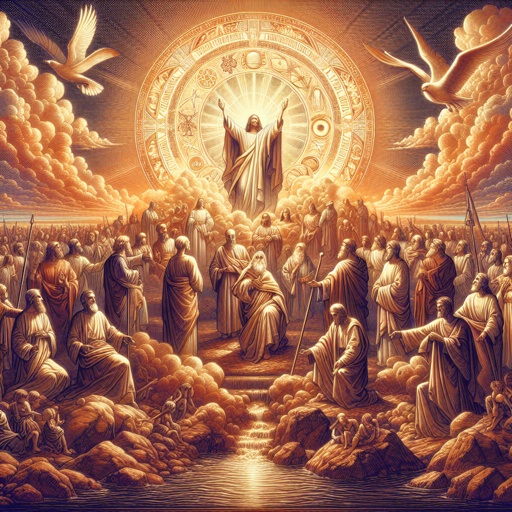
Leviticus 11:22
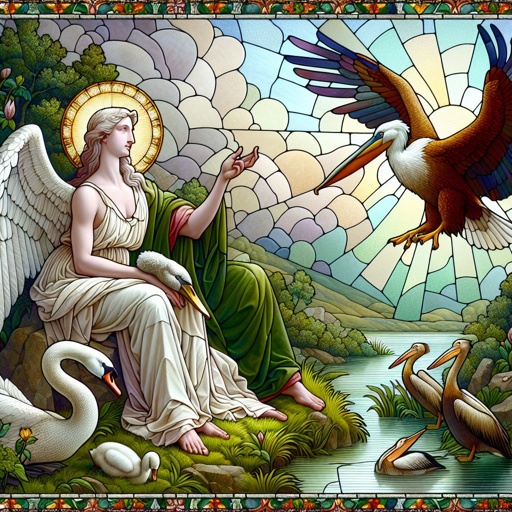
Leviticus 11:18 - "And the swan, and the pelican, and the gier eagle,"
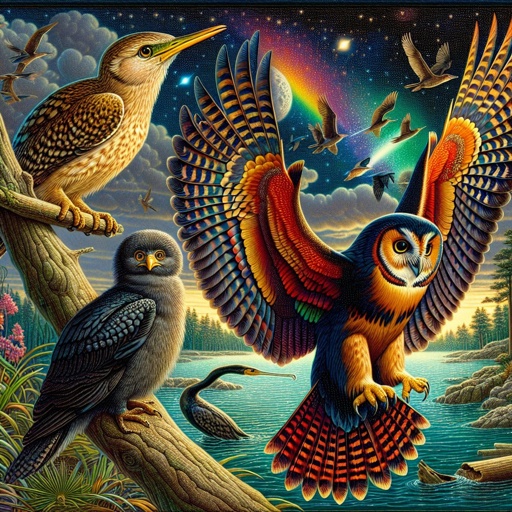
Leviticus 11:17 - "And the little owl, and the cormorant, and the great owl,"

Leviticus 11:14 - "And the vulture, and the kite after his kind;"

Leviticus 11:15 - "Every raven after his kind;"
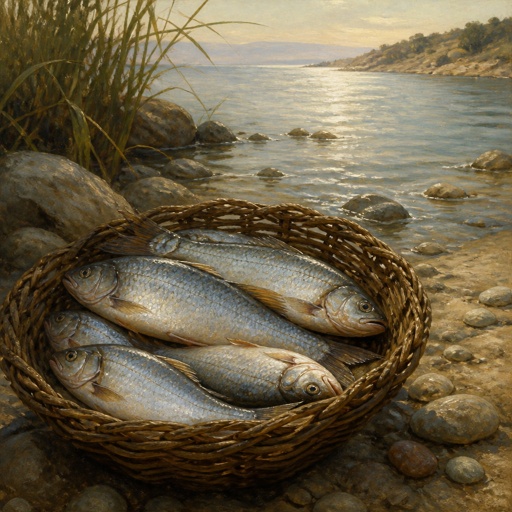
"¶ These shall ye eat of all that are in the waters: whatsoever hath fins and scales in the waters, in the seas, and in the rivers, them shall ye eat." - Leviticus 11:9

Leviticus 11:30 - "And the ferret, and the chameleon, and the lizard, and the snail, and the mole."
Leviticus 23:9 - "¶ And the LORD spake unto Moses, saying,"

Leviticus 11:19 - "And the stork, the heron after her kind, and the lapwing, and the bat."

Leviticus 9:16 - "And he brought the burnt offering, and offered it according to the manner."

Leviticus 11:1 - "And the LORD spake unto Moses and to Aaron, saying unto them,"

Leviticus 11:16 - "And the owl, and the night hawk, and the cuckow, and the hawk after his kind,"

Leviticus 11:41 - "And every creeping thing that creepeth upon the earth shall be an abomination; it shall not be eaten."

Leviticus 19:11 - "¶ Ye shall not steal, neither deal falsely, neither lie one to another."

Leviticus 7:11 - "And this is the law of the sacrifice of peace offerings, which he shall offer unto the LORD."

Leviticus 13:9 - "¶ When the plague of leprosy is in a man, then he shall be brought unto the priest;"

Leviticus 9:20 - "And they put the fat upon the breasts, and he burnt the fat upon the altar:"

Leviticus 9:9 - "And the sons of Aaron brought the blood unto him: and he dipped his finger in the blood, and put it upon the horns of the altar, and poured out the blood at the bottom of the altar:"

"And the swan, and the pelican, and the gier eagle," - Leviticus 11:18

Leviticus 11:12 - "Whatsoever hath no fins nor scales in the waters, that shall be an abomination unto you."

Leviticus 11:8 - "Of their flesh shall ye not eat, and their carcase shall ye not touch; they are unclean to you."

Leviticus 26:11 - "And I will set my tabernacle among you: and my soul shall not abhor you."

Leviticus 11:24 - "And for these ye shall be unclean: whosoever toucheth the carcase of them shall be unclean until the even."

Leviticus 3:11 - "And the priest shall burn it upon the altar: it is the food of the offering made by fire unto the LORD."

Leviticus 15:9 - "And what saddle soever he rideth upon that hath the issue shall be unclean."

Leviticus 9:14 - "And he did wash the inwards and the legs, and burnt them upon the burnt offering on the altar."

Leviticus 9:8 - "¶ Aaron therefore went unto the altar, and slew the calf of the sin offering, which was for himself."