What does Luke 1:63 mean?
“And he asked for a writing table, and wrote, saying, His name is John. And they marvelled all.” — Luke 1:63
The Bible verse Luke 1:63 from the King James Version reads: "And he asked for a writing table, and wrote, saying, His name is John. And they marvelled all." This verse is part of the narrative of the birth of John the Baptist, a key figure in the New Testament.
To understand the full context and meaning of this verse, it is necessary to explore the surrounding verses and the historical and cultural backdrop of the time. In the preceding verses, we learn that John's father, Zechariah, had been struck dumb by an angel of the Lord because he doubted the angel's message that he and his wife, Elizabeth, would have a son in their old age. Now, upon the birth of his son, Zechariah's speech is restored and he affirms the angel's message by writing, "His name is John."
The theme of this verse revolves around the miracle of birth and the fulfillment of God's promises. The name "John" itself holds significance, as it means "God is gracious" or "Yahweh is gracious." This name was not traditional for the time or in their family lineage, but it was specifically chosen by God and communicated through the angel. The act of writing down the name not only fulfills the angel's instructions, but it also serves as a declaration of faith and obedience to God's will.
The response of those present, "And they marvelled all," reflects the astonishment and awe at witnessing this miraculous event. This reaction is significant because it signifies the acknowledgment of God's power and presence in the midst of the ordinary, and the affirmation of His divine plan unfolding before their eyes. It is also a reminder that God's ways are often beyond human understanding, and His timing and purposes are perfect.
The symbolism in this verse is profound. The writing of the name "John" signifies the importance of names in biblical times. Names were not just labels, but they often carried deep spiritual and prophetic meanings. In this case, the name "John" represented the fulfillment of a divine promise and the beginning of a significant ministry. This act of naming also points to the authority and responsibility given to parents in choosing and declaring the identities of their children, as well as the recognition of God's sovereignty over every aspect of our lives, including our names.
Furthermore, the restoration of Zechariah's speech and his obedient act of writing down the name of his son symbolize the power of God to transform doubt into faith and silence into proclamation. It serves as a testimony to the faithfulness of God in fulfilling His promises, even in the face of human skepticism and limitations.
In a broader theological sense, this verse foreshadows the role of John the Baptist as a herald of the coming Messiah. His birth and naming were part of a larger redemptive plan orchestrated by God. The astonishment of the witnesses also anticipates the amazement that would surround the ministry of John and the revelation of Jesus Christ as the Savior of the world.
In conclusion, Luke 1:63 captures a pivotal moment in the biblical narrative, rich with themes of faith, obedience, divine intervention, and the fulfillment of God's promises. It is a reminder of God's power to bring about miracles and the profound impact of His redemptive plan in the lives of ordinary individuals. This verse serves as a source of encouragement and inspiration for believers, as it highlights the transformative and awe-inspiring work of God in the midst of human circumstances.
Get our apps


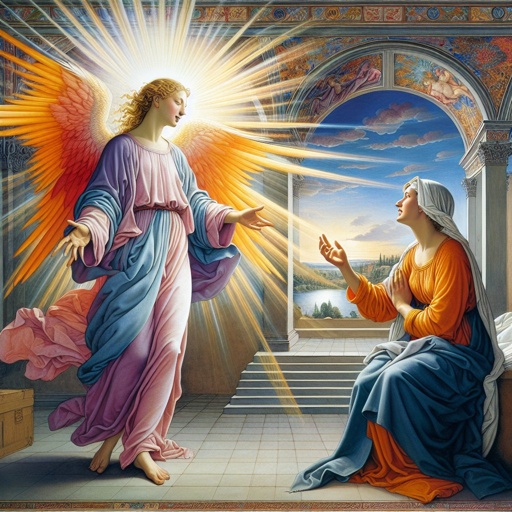
Artwork for Luke 1:63

Luke 1:63 - "And he asked for a writing table, and wrote, saying, His name is John. And they marvelled all."

"And he asked for a writing table, and wrote, saying, His name is John. And they marvelled all." - Luke 1:63

Luke 22:63 - "¶ And the men that held Jesus mocked him, and smote him."
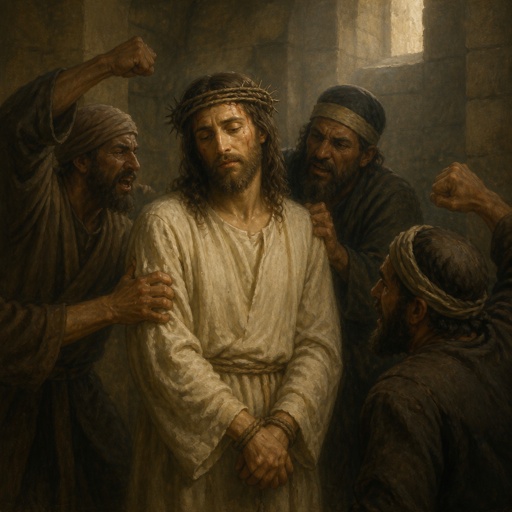
"¶ And the men that held Jesus mocked him, and smote him." - Luke 22:63

Untiring a Godly relationship with self through prayer psalm 63:1

Isaiah 63:1 - "Who is this that cometh from Edom, with dyed garments from Bozrah? this that is glorious in his apparel, travelling in the greatness of his strength? I that speak in righteousness, mighty to save."

1 Chronicles 6:63 - "Unto the sons of Merari were given by lot, throughout their families, out of the tribe of Reuben, and out of the tribe of Gad, and out of the tribe of Zebulun, twelve cities."

"Who is this that cometh from Edom, with dyed garments from Bozrah? this that is glorious in his apparel, travelling in the greatness of his strength? I that speak in righteousness, mighty to save." - Isaiah 63:1
!["O God, thou [art] my God; early will I seek thee: my soul thirsteth for thee, my flesh longeth for thee in a dry and thirsty land, where no water is;" - Psalm 63:1](https://media.bible.art/018a0c0b-b098-40a1-8716-99b0c5bb0c0b-thumbnail.jpg)
"O God, thou [art] my God; early will I seek thee: my soul thirsteth for thee, my flesh longeth for thee in a dry and thirsty land, where no water is;" - Psalm 63:1

Psalms 63:1 - "O God, thou art my God; early will I seek thee: my soul thirsteth for thee, my flesh longeth for thee in a dry and thirsty land, where no water is;"

1 Kings 8:63 - "And Solomon offered a sacrifice of peace offerings, which he offered unto the LORD, two and twenty thousand oxen, and an hundred and twenty thousand sheep. So the king and all the children of Israel dedicated the house of the LORD."

Isaiah 63:1 Who is this who comes from Edom, With dyed garments from Bozrah, This One who is glorious in His apparel, Traveling in the greatness of His strength?-- "I who speak in righteousness, mighty to save."

Luke 1:1

Luke 1:31

Luke 1:26

luke 1:26

Luke 1:13

luke 1:26

luke 1:27

luke 1:29
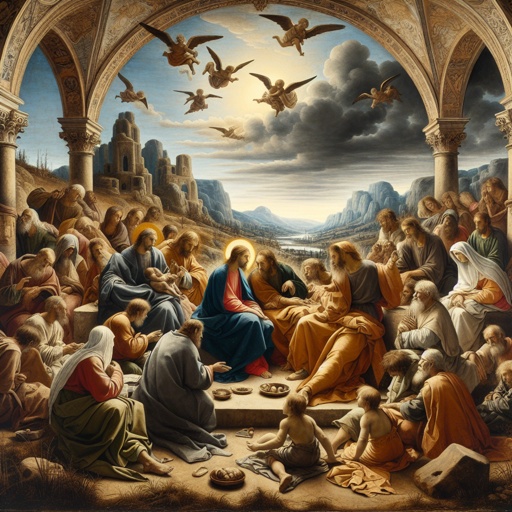
Luke:1

Luke 2.12

Luke 2:1-20

Luke 19:1-10

Luke 19:1-10
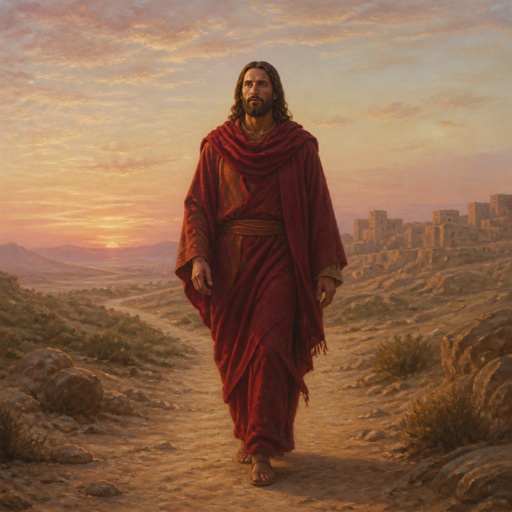
"Who is this that cometh from Edom, with dyed garments from Bozrah? this that is glorious in his apparel, travelling in the greatness of his strength? I that speak in righteousness, mighty to save." - Isaiah 63:1
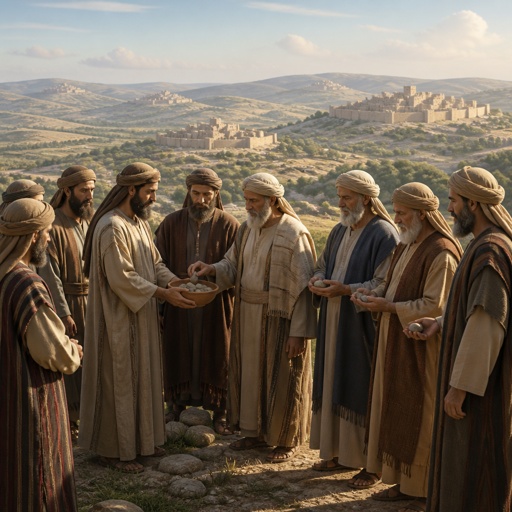
"Unto the sons of Merari were given by lot, throughout their families, out of the tribe of Reuben, and out of the tribe of Gad, and out of the tribe of Zebulun, twelve cities." - 1 Chronicles 6:63

Luke 1:32

Luke 1:32
Luke 1:32