What does Luke 1:7 mean?
“And they had no child, because that Elisabeth was barren, and they both were now well stricken in years.” — Luke 1:7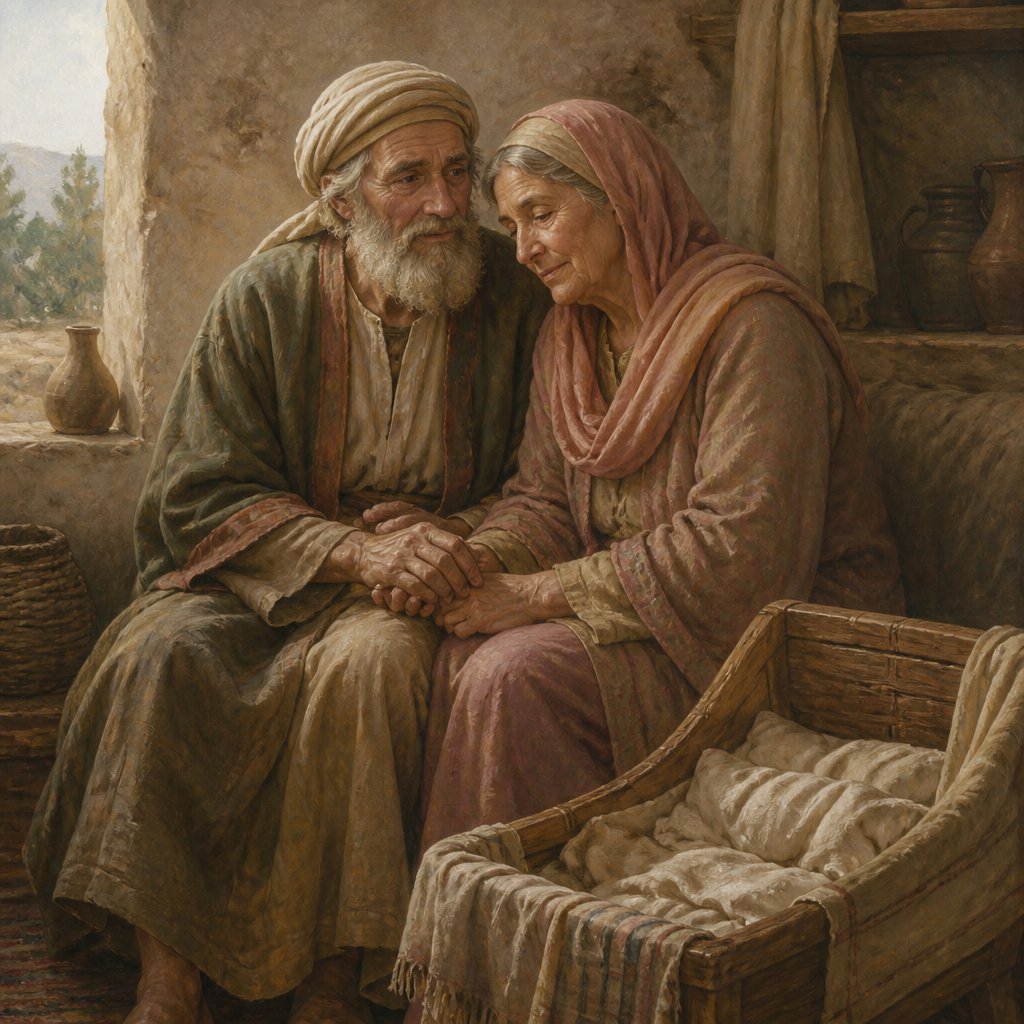
The Bible verse Luke 1:7 in the King James Version (KJV) reads, "And they had no child, because that Elisabeth was barren, and they both were now well stricken in years." This verse is part of the story of the birth of John the Baptist, and it provides important context and background for understanding the miraculous events that follow in the subsequent verses.
In this verse, we are introduced to the couple, Zacharias and Elisabeth, who are both descendants of the priestly tribe of Aaron. The verse explains that they were unable to have children because Elisabeth was barren, and they were both advanced in years. This sets the stage for the miraculous conception and birth of John the Baptist, who played a crucial role in preparing the way for the coming of Jesus Christ.
The theme of barrenness and miraculous conception is a common motif in the Bible, and it often serves as a foreshadowing of God's extraordinary intervention in the lives of His people. In the case of Zacharias and Elisabeth, their inability to conceive serves as a reminder of their human frailty and the limitations of their own abilities. However, it also sets the stage for the extraordinary work that God will do in their lives.
The context of this verse is important for understanding the broader narrative of the birth of John the Baptist and the arrival of Jesus Christ. In the verses that follow, we learn that the angel Gabriel appears to Zacharias while he is performing his priestly duties in the temple. The angel announces to him that Elisabeth will conceive and bear a son, who will be named John and will play a pivotal role in preparing the way for the Messiah.
The symbolism in this verse is rich and multifaceted. The barrenness of Elisabeth represents not only the physical inability to conceive, but also serves as a metaphor for the spiritual barrenness of the people of Israel at that time. The nation was longing for the fulfillment of God's promises and the coming of the Messiah, but they were in a state of spiritual desolation and longing for renewal.
The advanced age of Zacharias and Elisabeth serves as a reminder that nothing is impossible for God, and His timing is always perfect. Despite their old age and the apparent impossibility of conceiving a child, God intervenes and brings about the birth of John the Baptist, who would herald the coming of Jesus Christ.
This verse also highlights the faithfulness of Zacharias and Elisabeth, who continued to serve the Lord and trust in His promises despite their long-standing barrenness. Their faith serves as an example to us of the importance of remaining faithful and obedient to God, even in the face of seemingly insurmountable obstacles.
In conclusion, Luke 1:7 in the King James Version is a pivotal verse in the narrative of the birth of John the Baptist and the arrival of Jesus Christ. It sets the stage for the miraculous intervention of God in the lives of Zacharias and Elisabeth, and serves as a powerful reminder of His faithfulness and ability to bring about new life and fulfillment of His promises. The themes of barrenness, miraculous conception, and faithfulness resonate throughout the verse and provide important insights into the overarching message of hope, redemption, and the fulfillment of God's plans for His people.
Get our apps


Artwork for Luke 1:7

Luke 1:7 - "And they had no child, because that Elisabeth was barren, and they both were now well stricken in years."
"And they had no child, because that Elisabeth was barren, and they both were now well stricken in years." - Luke 1:7

Luke 7:50

Luke 7:50

Luke 15: 4-7

Luke 7:1 - "Now when he had ended all his sayings in the audience of the people, he entered into Capernaum."
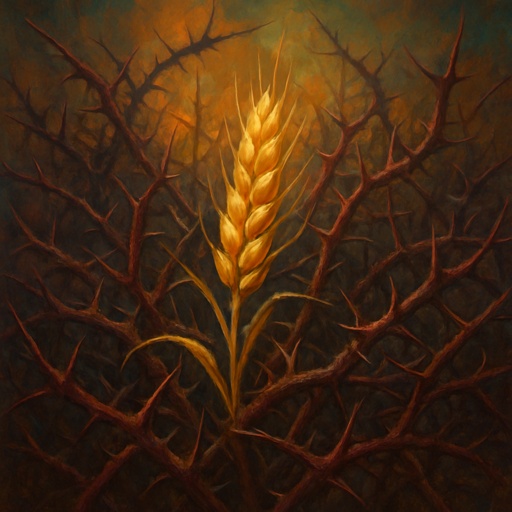
Luke 8:7 - "And some fell among thorns; and the thorns sprang up with it, and choked it.

Luke 7:33

Luke 7:36-50

Luke 7:41-47

Luke 7:36–50

Luke 20:7 - "And they answered, that they could not tell whence it was."

Luke 7:35 - "But wisdom is justified of all her children."
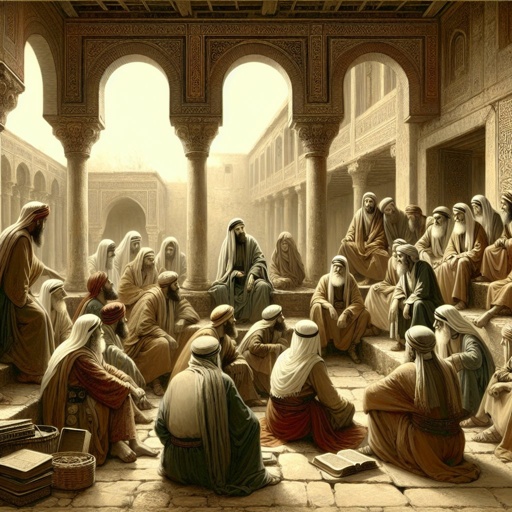
Luke 7:18 - "And the disciples of John shewed him of all these things."

Luke 7:23 - "And blessed is he, whosoever shall not be offended in me."

Luke 7:7 - "Wherefore neither thought I myself worthy to come unto thee: but say in a word, and my servant shall be healed."

Luke 7:48 - "And he said unto her, Thy sins are forgiven."
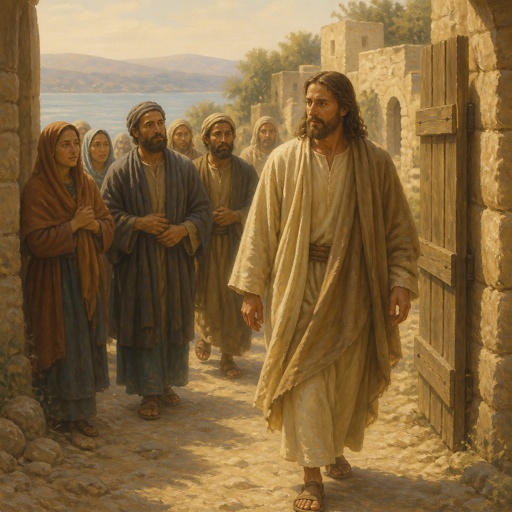
"Now when he had ended all his sayings in the audience of the people, he entered into Capernaum." - Luke 7:1

Luke 22:7 - "¶ Then came the day of unleavened bread, when the passover must be killed."

Luke 4:7 - "If thou therefore wilt worship me, all shall be thine."

Luke 8:7 - "And some fell among thorns; and the thorns sprang up with it, and choked it."

Luke 7:5 - "For he loveth our nation, and he hath built us a synagogue."

Luke 1:1

"And they answered, that they could not tell whence it was." - Luke 20:7

Luke 7:31 - "¶ And the Lord said, Whereunto then shall I liken the men of this generation? and to what are they like?"

Luke 7:10 - "And they that were sent, returning to the house, found the servant whole that had been sick."

Luke 7:30 - "But the Pharisees and lawyers rejected the counsel of God against themselves, being not baptized of him."

Luke 7:50 - "And he said to the woman, Thy faith hath saved thee; go in peace."

Luke 7:2 - "And a certain centurion's servant, who was dear unto him, was sick, and ready to die."

Luke 19:7 - "And when they saw it, they all murmured, saying, That he was gone to be guest with a man that is a sinner."