What does Luke 10:37 mean?
“And he said, He that shewed mercy on him. Then said Jesus unto him, Go, and do thou likewise.” — Luke 10:37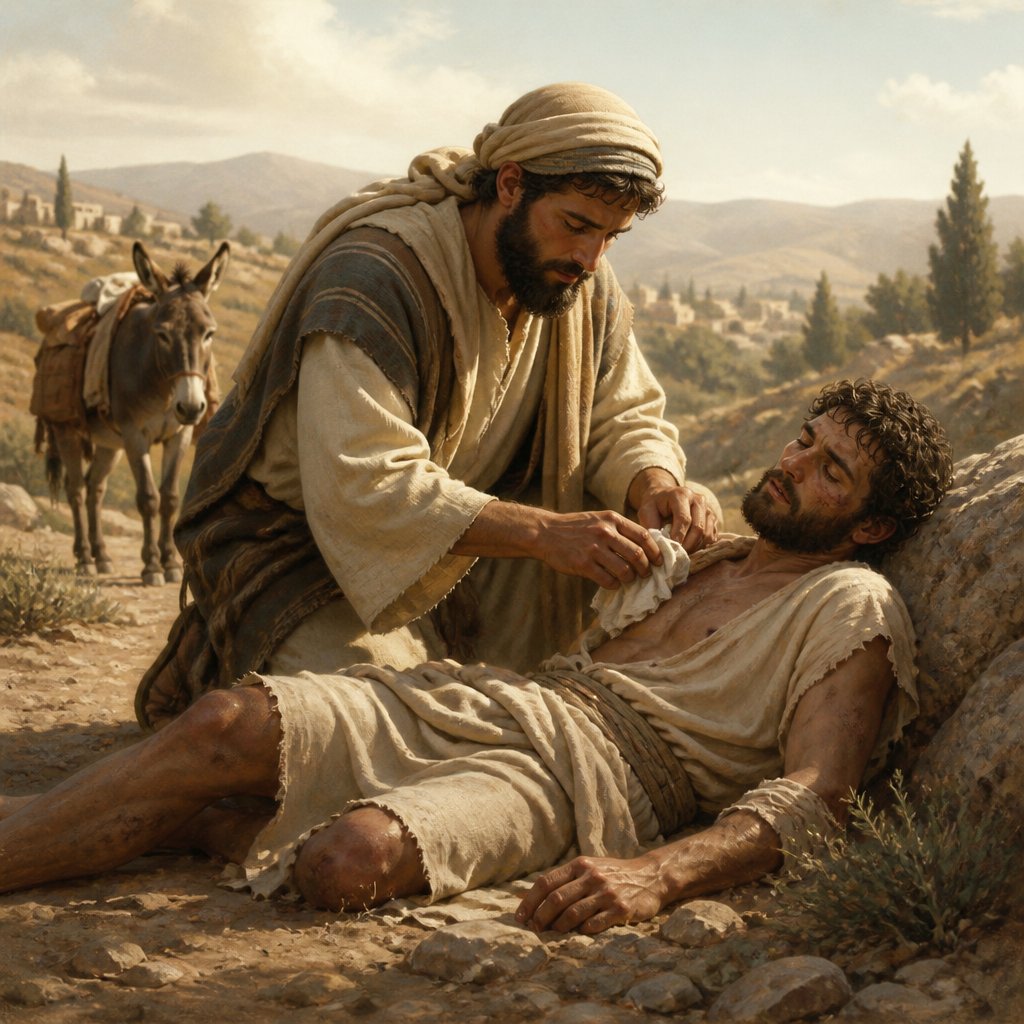
The Bible verse Luke 10:37 from the King James Version (KJV) reads, "And he said, He that shewed mercy on him. Then said Jesus unto him, Go, and do thou likewise." This verse comes at the end of the parable of the Good Samaritan, which Jesus tells in response to a lawyer's question about who his neighbor is. The parable illustrates the importance of showing mercy and kindness to others, regardless of their background or status.
The context of this verse is important for understanding its full meaning. In the preceding verses, a lawyer tests Jesus by asking him what he must do to inherit eternal life. Jesus responds by asking the lawyer what the law says, and the lawyer correctly recites the commandments to love God and love one's neighbor. However, the lawyer seeks to justify himself by asking, "Who is my neighbor?" Jesus then tells the parable of the Good Samaritan, in which a man is beaten, robbed, and left for dead on the side of the road. Both a priest and a Levite pass by him without helping, but a Samaritan shows him mercy and compassion by tending to his wounds and taking care of him.
The verse Luke 10:37 is the conclusion of this parable, in which Jesus asks the lawyer who was the neighbor to the man who fell among thieves. The lawyer responds, "He that shewed mercy on him." Jesus then instructs him to "Go, and do thou likewise," emphasizing the importance of showing mercy and kindness to others.
One of the central themes of this verse is the commandment to love one's neighbor as oneself. Jesus teaches that being a neighbor means showing mercy and compassion to others, especially those in need. In the parable, the Samaritan goes out of his way to care for the injured man, demonstrating the selfless love that Jesus calls his followers to emulate. This challenges the traditional understanding of who is worthy of love and compassion, as Samaritans were generally despised by Jews at the time. Jesus's teachings emphasize that love and mercy should transcend social and cultural barriers, and should be extended to all people, regardless of their background or circumstances.
Another theme present in this verse is the concept of action and practical love. Jesus not only tells the lawyer to recognize the Samaritan as a neighbor but also commands him to go and do likewise. This implies that love is not merely a feeling or sentiment, but an active choice and way of living. The parable of the Good Samaritan serves as a model for Christlike love, challenging believers to show mercy and compassion in tangible and sacrificial ways. This aligns with Jesus's broader teachings on the importance of caring for the marginalized and vulnerable, as found in passages such as Matthew 25:31-46, in which Jesus teaches that caring for the least of these is equivalent to caring for him.
The symbolism in this verse lies in the characters of the parable and their actions. The injured man represents all people in need, regardless of whether they are part of our own group or religion. The priest and Levite symbolize religious leaders who neglect their duty to care for others, highlighting the hypocrisy and self-righteousness that can hinder genuine love and mercy. The Samaritan, on the other hand, represents the unexpected source of compassion and assistance, challenging prejudices and expectations. His actions embody the love and mercy that Jesus calls his followers to embody, transcending social and cultural barriers.
In conclusion, Luke 10:37 from the King James Version offers a powerful and relevant message about the importance of showing mercy and kindness to others. It challenges believers to love their neighbors as themselves, extending compassion and care to all people, especially to those in need. The verse emphasizes the practical and sacrificial nature of love, calling on Christians to act with mercy and compassion in their daily lives. The parable of the Good Samaritan and the teachings of Jesus in this passage continue to inspire and challenge believers to live out a love that transcends social, cultural, and religious boundaries.
Get our apps


Artwork for Luke 10:37

Luke 10:37 - "And he said, He that shewed mercy on him. Then said Jesus unto him, Go, and do thou likewise."

"And he said, He that shewed mercy on him. Then said Jesus unto him, Go, and do thou likewise." - Luke 10:37

Luke 2:37

Luke 2:37

Luke 2:37

Luke 2:37

Luke 2:37

Luke (1:37) For nothing will be impossible with God.”

Luke (1:37) For nothing will be impossible with God.”

Luke (1:37) For nothing will be impossible with God.”

Luke (1:37) For nothing will be impossible with God.”

Luke (1:37) For nothing will be impossible with God.”

Luke (1:37) For nothing will be impossible with God.”

Luke (1:37) For nothing will be impossible with God.”

Luke (1:37) For nothing will be impossible with God.”

Luke (1:37) For nothing will be impossible with God.”

Luke (1:37) For nothing will be impossible with God.”

Luke (1:37) For nothing will be impossible with God.”

Luke (1:37) For nothing will be impossible with God.”

Luke (1:37) For nothing will be impossible with God.”

Luke (1:37) For nothing will be impossible with God.”

Luke (1:37) For nothing will be impossible with God.”

Luke (1:37) For nothing will be impossible with God.”

Luke (1:37) For nothing will be impossible with God.”

Luke (1:37) For nothing will be impossible with God.”
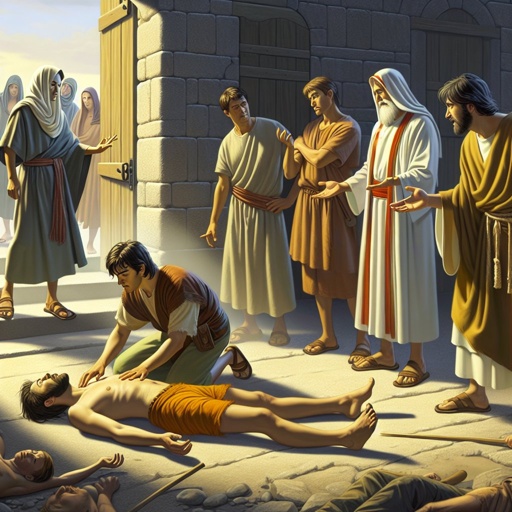
Luke 10:36-37 - "Which of these three, do you think, proved to be a neighbor to the man who fell among the robbers? He said, The one who showed him mercy. And Jesus said to him, You go, and do likewise."

Luke (1:37) For nothing will be impossible with God.”

Luke (1:37) For nothing will be impossible with God.”

Luke (1:37) For nothing will be impossible with God.”

Luke (1:37) For nothing will be impossible with God.”