What does Luke 13:11 mean?
“And, behold, there was a woman which had a spirit of infirmity eighteen years, and was bowed together, and could in no wise lift up herself.” — Luke 13:11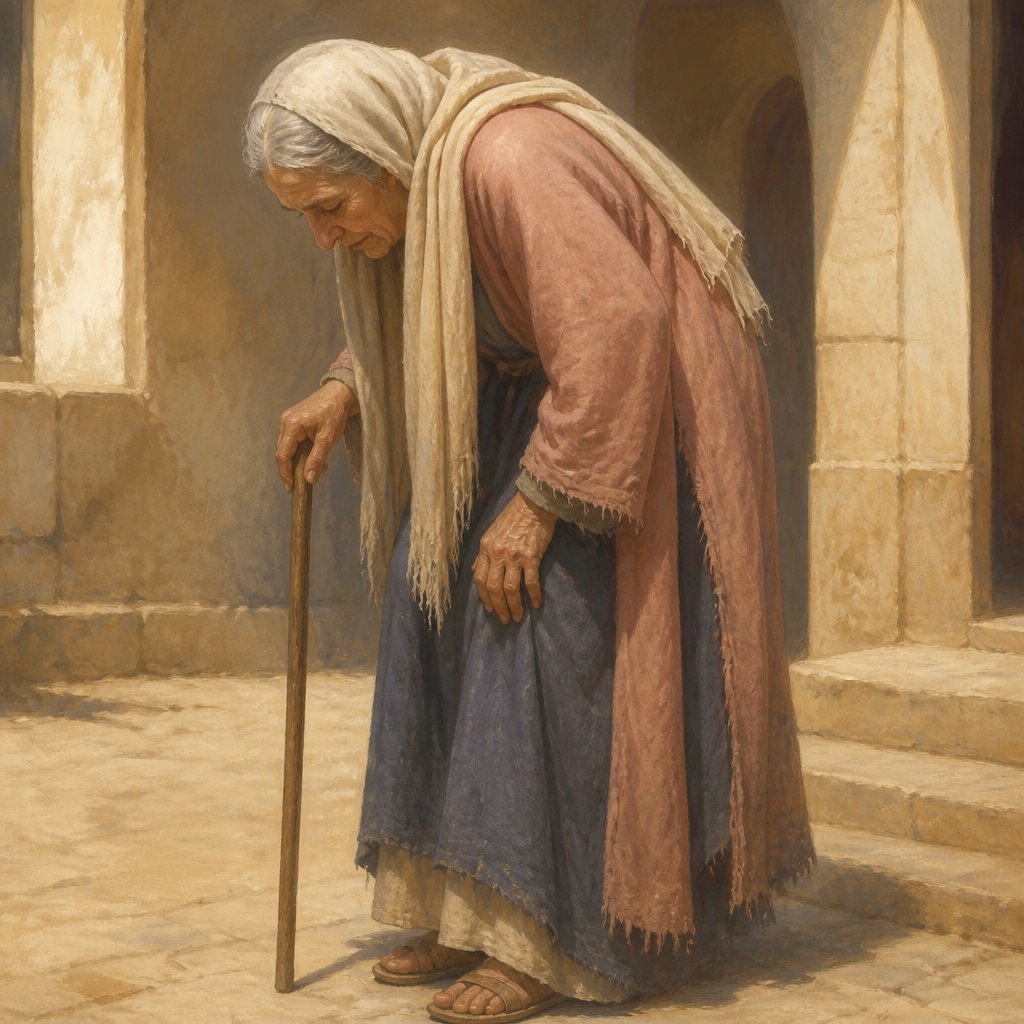
The Bible verse Luke 13:11 from the King James Version (KJV) states, "And, behold, there was a woman which had a spirit of infirmity eighteen years, and was bowed together, and could in no wise lift up herself." This verse is part of a larger narrative in the Gospel of Luke, in which Jesus is teaching in a synagogue on the Sabbath. This particular verse focuses on an encounter between Jesus and a woman who had been afflicted by an infirmity for 18 years.
The story of the woman with the spirit of infirmity holds deep meaning and provides valuable insights into several themes that are central to the teachings of Jesus and the message of the Gospel. By examining the context, themes, and symbolism in this verse, we can gain a deeper understanding of its significance.
The context of this verse is important for understanding the significance of the woman's affliction and Jesus' response. At the time, the Sabbath was a day of rest and worship for the Jewish people, and religious leaders had strict interpretations of what was considered work on this day. In this context, Jesus' healing of the woman on the Sabbath challenges the traditional understanding of Sabbath observance and highlights the compassionate and liberating nature of his ministry.
The theme of healing and restoration is central to this verse. The woman's physical infirmity is not only a source of suffering and limitation for her, but it also represents the broader human condition of being bound by sin and brokenness. In healing the woman, Jesus demonstrates his power to bring about physical and spiritual wholeness. This theme of healing is a recurring motif throughout the Gospels, emphasizing Jesus' role as the ultimate healer and source of salvation.
Another significant theme in this verse is the idea of liberation and freedom. The woman's condition had kept her bound and unable to stand upright for 18 long years. This physical affliction can be seen as a metaphor for the spiritual bondage that sin imposes on humanity. Jesus' healing of the woman represents a powerful act of liberation, setting her free from the oppressive weight of her infirmity. This theme underscores the transformative and liberating power of Jesus' ministry, offering hope and freedom to all who are burdened and oppressed.
The symbolism in this verse is rich and multi-layered. The woman's physical posture, bent over and unable to stand upright, serves as a powerful symbol of the effects of sin and brokenness in human life. Her affliction is not only physical but also spiritual, reflecting the broader human condition of being bent and burdened by the weight of sin. Jesus' act of healing symbolizes the redemptive power of his love and grace, offering a path to spiritual and physical restoration.
In conclusion, the Bible verse Luke 13:11 from the King James Version presents a profound encounter between Jesus and a woman afflicted by an infirmity. Through its rich context, themes, and symbolism, this verse offers valuable insights into the compassionate and liberating nature of Jesus' ministry. It serves as a reminder of Jesus' power to heal, restore, and liberate, offering hope and salvation to all who are burdened and oppressed.
Get our apps


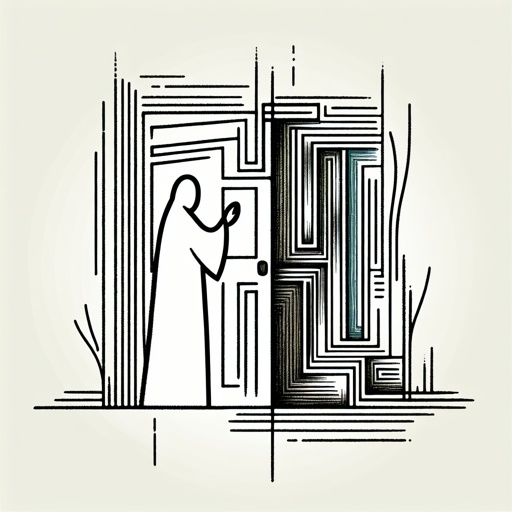
Artwork for Luke 13:11

Luke 13:11 - "¶ And, behold, there was a woman which had a spirit of infirmity eighteen years, and was bowed together, and could in no wise lift up herself."

"¶ And, behold, there was a woman which had a spirit of infirmity eighteen years, and was bowed together, and could in no wise lift up herself." - Luke 13:11

"And behold, there was a woman who had a spirit of infirmity eighteen years, and was bent over and could in no way raise herself up. But when Jesus saw her, He called her to Him and said to her, "Woman, you are loosed from your infirmity." And He laid His hands on her, and immediately she was made straight, and glorified God." - Luke 13:11-13

Luke 11:13 - "If ye then, being evil, know how to give good gifts unto your children: how much more shall your heavenly Father give the Holy Spirit to them that ask him?"
Psalm 1:1-3
Pain 1:1-3

Luke 11:11-13 - "Which of you fathers, if your son asks for a fish, will give him a snake instead? Or if he asks for an egg, will give him a scorpion? If you then, though you are evil, know how to give good gifts to your children, how much more will your Father in heaven give the Holy Spirit to those who ask him!"

Luke 13:18-19

Luke 13:20-21

Luke 13:20-21

Luke 13:18-19
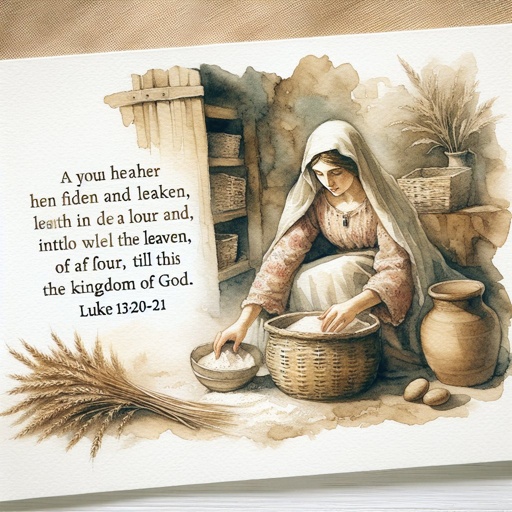
Luke 13:20-21

Luke 13:20-21

Luke 13:20-21

Luke 1:13

Luke 1:13

Luke 8:13

Luke 13:24

Luke 8:13

Luke 1:13

Luke 1:13

Luke 8:13

Luke 1:13

Luke 2:13

Luke 1:13
Luke 11:9

luke 11:23

luke 11:23

luke 11:23

Luke 8:11