What does Luke 14:14 mean?
“And thou shalt be blessed; for they cannot recompense thee: for thou shalt be recompensed at the resurrection of the just.” — Luke 14:14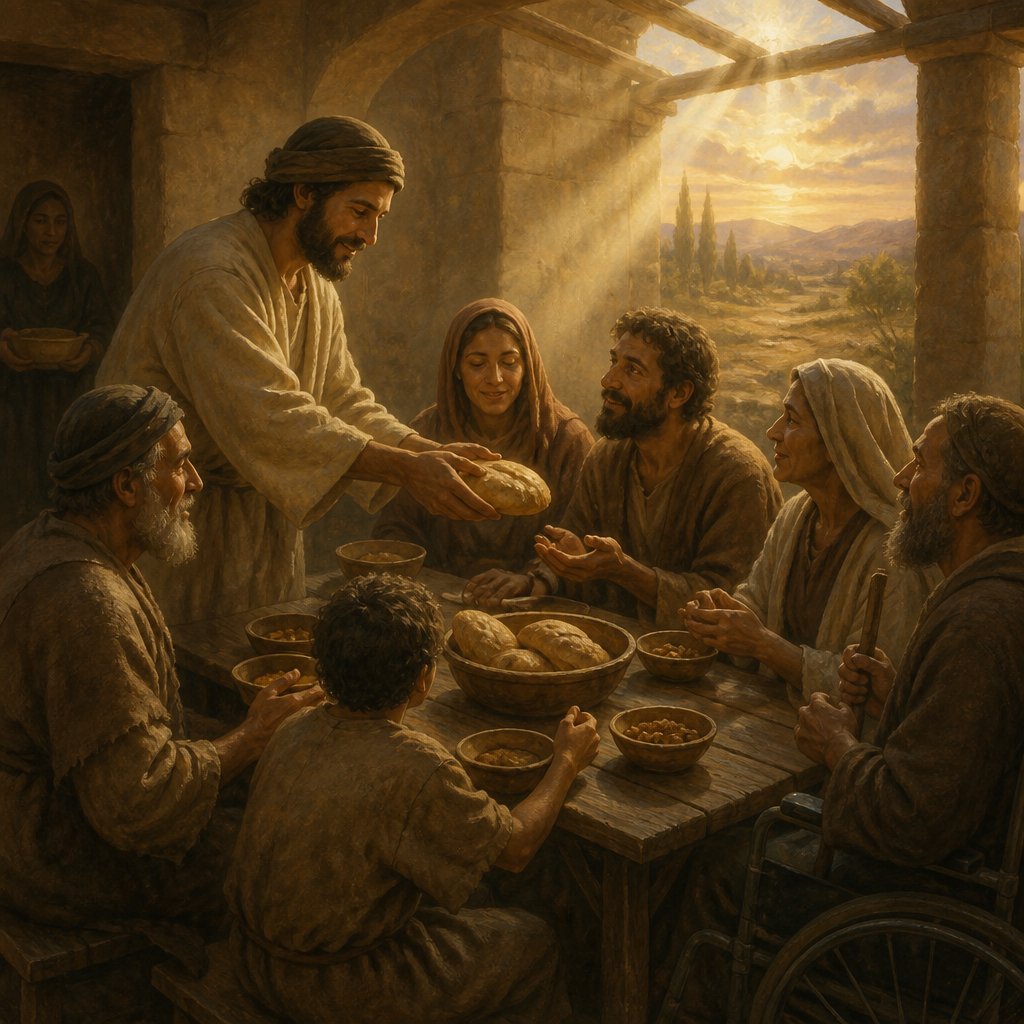
Luke 14:14 in the King James Version of the Bible states, "And thou shalt be blessed; for they cannot recompense thee: for thou shalt be recompensed at the resurrection of the just." This verse is part of a larger passage in the Gospel of Luke where Jesus is teaching a parable to a group of Pharisees and other guests at a Sabbath meal. The verse, in its context, reflects Jesus' teachings on humility, selflessness, and the reward that awaits those who live in service to others.
The verse begins with the phrase "And thou shalt be blessed," which implies that those who practice true acts of selflessness and service will be blessed by God. The emphasis here is not on seeking earthly rewards or recognition for one's good deeds, but rather on the spiritual blessing that comes from living a life of humble service. This reinforces the theme of humility and selflessness that is prevalent throughout the teachings of Jesus.
The second part of the verse states, "for they cannot recompense thee: for thou shalt be recompensed at the resurrection of the just." This emphasizes the idea that true acts of service are not motivated by a desire for earthly rewards or recognition. Instead, those who live in service to others do so out of genuine love and compassion, without expecting anything in return. This aligns with Jesus' teachings on the importance of serving others without seeking recognition or reward in this life.
The mention of "the resurrection of the just" also points to the ultimate reward that awaits those who live in service to others. In the Christian faith, the resurrection of the just refers to the belief that those who have lived righteous lives will be resurrected and rewarded in the afterlife. This serves as a powerful motivation for believers to live in accordance with the teachings of Jesus, knowing that their acts of service and selflessness will not go unnoticed by God.
In the larger context of the Gospel of Luke, this verse is part of a series of teachings in which Jesus challenges the attitudes and priorities of the Pharisees and religious leaders of his time. Throughout the Gospel, Jesus consistently speaks out against self-righteousness and hypocrisy, and instead emphasizes the importance of love, compassion, and service to others. This verse serves as a continuation of that theme, reinforcing the idea that true blessings and rewards come from living a life of humble service and selflessness.
The verse also contains symbolism that is significant in the Christian faith. The concept of the resurrection of the just symbolizes the hope and promise of eternal life for believers. This serves as a powerful reminder that the ultimate reward for living a life of faith and service extends beyond this earthly existence. Additionally, the emphasis on selflessness and humility reflects the example of Jesus, who is seen as the ultimate model of selfless love and service.
Overall, Luke 14:14 conveys a powerful message about the importance of living a life of humility and selflessness, and the ultimate reward that awaits those who do so. It highlights the spiritual blessings that come from acts of service, and serves as a reminder of the hope and promise of eternal life for believers. In its broader context, this verse aligns with the larger themes of the Gospel of Luke, emphasizing the importance of love, compassion, and service to others in the teachings of Jesus.
Get our apps


Artwork for Luke 14:14

Luke 14:14 - "And thou shalt be blessed; for they cannot recompense thee: for thou shalt be recompensed at the resurrection of the just."
"And thou shalt be blessed; for they cannot recompense thee: for thou shalt be recompensed at the resurrection of the just." - Luke 14:14

Luke 11:14-15

Luke 18:9-14

Luke 11:1-14

Luke 14:25 - 33

Luke 11:1-14

Luke 2:13-14

Luke 18: 9-14

Luke 2:13-14

Luke 14:6 - "And they could not answer him again to these things."

Colossians 4:14 - "Luke, the beloved physician, and Demas, greet you."

Luke 14:30 - "Saying, This man began to build, and was not able to finish."
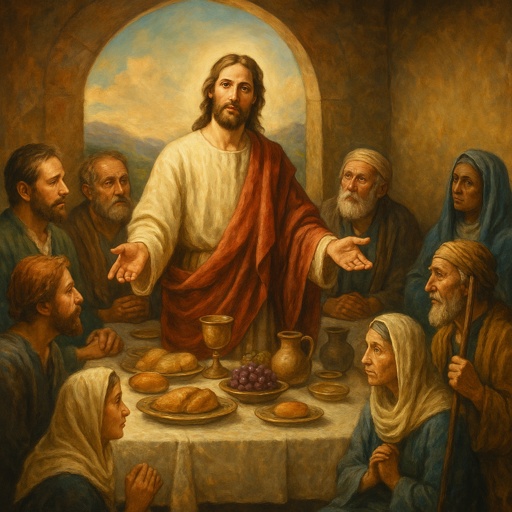
"And he put forth a parable to those which were bidden, when he marked how they chose out the chief rooms; saying unto them, When thou art bidden of any man to a wedding, sit not down in the highest room; lest a more honourable man than thou be bidden of him; And he that bade thee and him come and say to thee, Give this man place; and thou begin with shame to take the lowest room. But when thou art bidden, go and sit down in the lowest room; that when he that bade thee cometh, he may say unto thee, Friend, go up higher: then shalt thou have worship in the presence of them that sit at meat with thee. For whosoever exalteth himself shall be abased; and he that humbleth himself shall be exalted. Then said he also to him that bade him, When thou makest a feast, call the poor, the maimed, the lame, the blind: And thou shalt be blessed; for they cannot recompense thee: for thou shalt be recompensed at the resurrection of the just." - Luke 14:7-14

Luke 24:14 - "And they talked together of all these things which had happened."

Luke 10:14 - "But it shall be more tolerable for Tyre and Sidon at the judgment, than for you."

Luke 14:2 - "And, behold, there was a certain man before him which had the dropsy."

Luke 2:14 - "Glory to God in the highest, and on earth peace, good will toward men."

Ephesians 1:4

Zephaniah 1:4

Luke 14:22 - "And the servant said, Lord, it is done as thou hast commanded, and yet there is room."

Luke 14:13 - "But when thou makest a feast, call the poor, the maimed, the lame, the blind:"

Luke 14:25 - "¶ And there went great multitudes with him: and he turned, and said unto them,"

Luke 22:14 - "And when the hour was come, he sat down, and the twelve apostles with him."

Luke 2:13-14 fine pointillism sytle

Luke 14:4 - "And they held their peace. And he took him, and healed him, and let him go;"

Isaiah 9:1-4

Matthew 8:1-4

Luke 21:14 - "Settle it therefore in your hearts, not to meditate before what ye shall answer:"

Luke 1:14 - "And thou shalt have joy and gladness; and many shall rejoice at his birth."