What does Luke 14:15 mean?
“And when one of them that sat at meat with him heard these things, he said unto him, Blessed is he that shall eat bread in the kingdom of God.” — Luke 14:15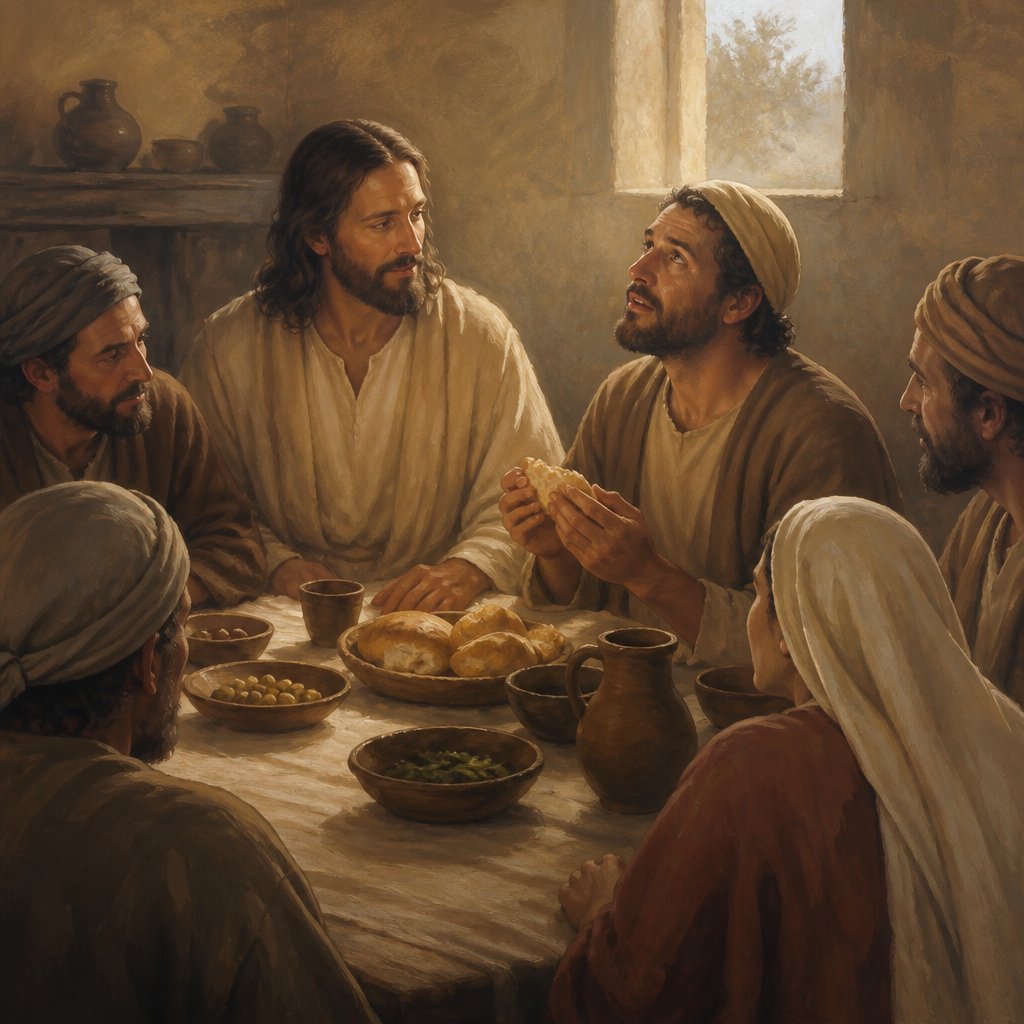
The Bible verse Luke 14:15 in the King James Version (KJV) reads: "And when one of them that sat at meat with him heard these things, he said unto him, Blessed is he that shall eat bread in the kingdom of God."
This verse is found in the gospel of Luke, which is one of the four canonical gospels in the New Testament of the Christian Bible. Luke was a physician and a companion of the apostle Paul, and his gospel is often characterized by its focus on Jesus' compassion for the marginalized and his concern for social justice. The verse in question occurs within a larger section of Luke's gospel that deals with the theme of the great banquet.
In the verses leading up to Luke 14:15, Jesus is having dinner at the house of a prominent Pharisee. He observes the behavior of the guests at the table and uses it as an opportunity to teach about humility and generosity. Specifically, he tells a parable about a man who throws a great banquet and invites many guests. However, when the time comes for the banquet to begin, all of the invited guests make excuses for why they cannot attend. The host then sends his servant out into the streets to invite the poor, the crippled, the blind, and the lame to come and feast at the banquet instead.
This parable is rich with symbolism and themes that are central to Christianity. The great banquet represents the kingdom of God, and the initial refusal of the invited guests to attend the banquet symbolizes the rejection of God's invitation by those who consider themselves righteous and worthy. The subsequent invitation to the marginalized and outcast members of society emphasizes God's inclusive love and mercy, which extends to all people regardless of their social status or religious standing.
Luke 14:15 occurs immediately after Jesus tells this parable, and it is spoken by one of the guests at the dinner table. The guest's exclamation, "Blessed is he that shall eat bread in the kingdom of God," is a recognition of the significance of Jesus' teaching about the great banquet and an acknowledgment that true blessing comes from partaking in the spiritual feast of God's kingdom.
One of the key themes in this verse is the concept of divine blessing and the nature of true fulfillment and satisfaction. In the context of the parable, the guests who finally attend the banquet are the ones who are truly blessed, because they are the ones who recognize and respond to the host's invitation. Similarly, in the kingdom of God, those who humbly accept God's invitation to partake in his abundance are the ones who experience true blessing and fulfillment.
Another important theme in this verse is the idea of abundance and provision in the kingdom of God. The act of eating bread in the ancient Near East was symbolic of sustenance and hospitality, and it carries with it the connotation of abundance and nourishment. The guest's exclamation reflects a longing for and recognition of the spiritual nourishment that comes from partaking in the blessings of God's kingdom.
On a deeper level, this verse also speaks to the broader context of Jesus' ministry and his message of the kingdom of God. Throughout the gospels, Jesus repeatedly emphasizes the coming of God's kingdom and invites his followers to participate in its realization. The notion of eating bread in the kingdom of God symbolizes the intimate communion and fellowship that believers are invited to share with God, as well as the promise of eternal life and spiritual fulfillment.
In conclusion, Luke 14:15 is a verse that is rich with themes of divine blessing, spiritual nourishment, and the inclusive nature of God's kingdom. It captures the essence of Jesus' teaching about the great banquet and offers a profound insight into the nature of true fulfillment and satisfaction in the context of God's abundant provision. As such, it serves as a powerful reminder of the invitation that God extends to all people to participate in his kingdom and experience the blessings of his boundless grace.
Get our apps


Artwork for Luke 14:15
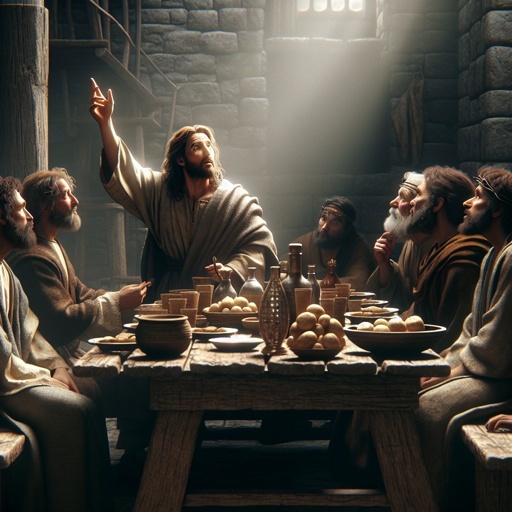
Luke 14:15 - "¶ And when one of them that sat at meat with him heard these things, he said unto him, Blessed is he that shall eat bread in the kingdom of God."
"¶ And when one of them that sat at meat with him heard these things, he said unto him, Blessed is he that shall eat bread in the kingdom of God." - Luke 14:15

Luke 11:14-15

Luke 15:14 - "And when he had spent all, there arose a mighty famine in that land; and he began to be in want."

Luke 21:14-15 - "But make up your mind not to worry beforehand how you will defend yourselves. For I will give you words and wisdom that none of your adversaries will be able to resist or contradict."
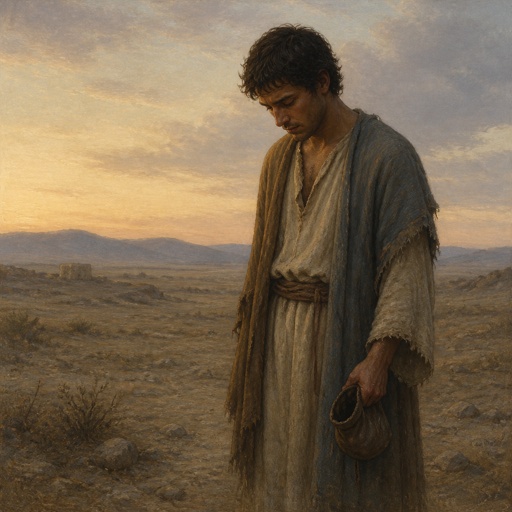
"And when he had spent all, there arose a mighty famine in that land; and he began to be in want." - Luke 15:14
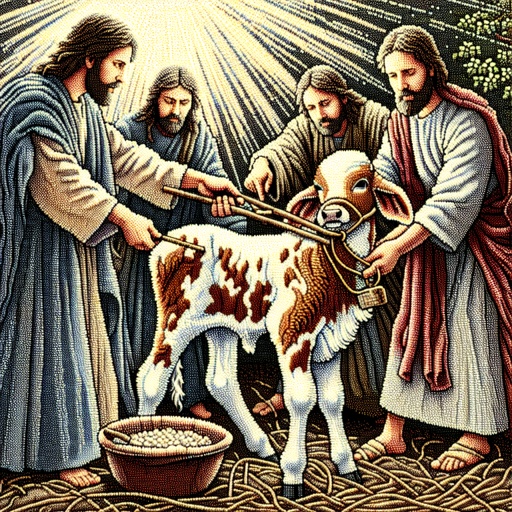
Luke 15:23

Luke 15:10

Luke 15:21

Luke 15:21

Luke 15: 4-7

Luke 21:15-19

Luke 15:11-32

Luke 14:14 - "And thou shalt be blessed; for they cannot recompense thee: for thou shalt be recompensed at the resurrection of the just."

Luke 18:9-14

Luke 11:1-14

Luke 14:25 - 33

Luke 11:1-14

Luke 2:13-14

Luke 18: 9-14

Luke 2:13-14

Luke 15:15 - "And he went and joined himself to a citizen of that country; and he sent him into his fields to feed swine."

Luke 14:6 - "And they could not answer him again to these things."

Genesis 15:14

Luke 4:15 - "And he taught in their synagogues, being glorified of all."

Luke 15:3 - "¶ And he spake this parable unto them, saying,"

Colossians 4:14 - "Luke, the beloved physician, and Demas, greet you."

Luke 14:30 - "Saying, This man began to build, and was not able to finish."

Luke 15:11 - "¶ And he said, A certain man had two sons:"

Luke 9:15 - "And they did so, and made them all sit down."