What does Luke 14:3 mean?
“And Jesus answering spake unto the lawyers and Pharisees, saying, Is it lawful to heal on the sabbath day?” — Luke 14:3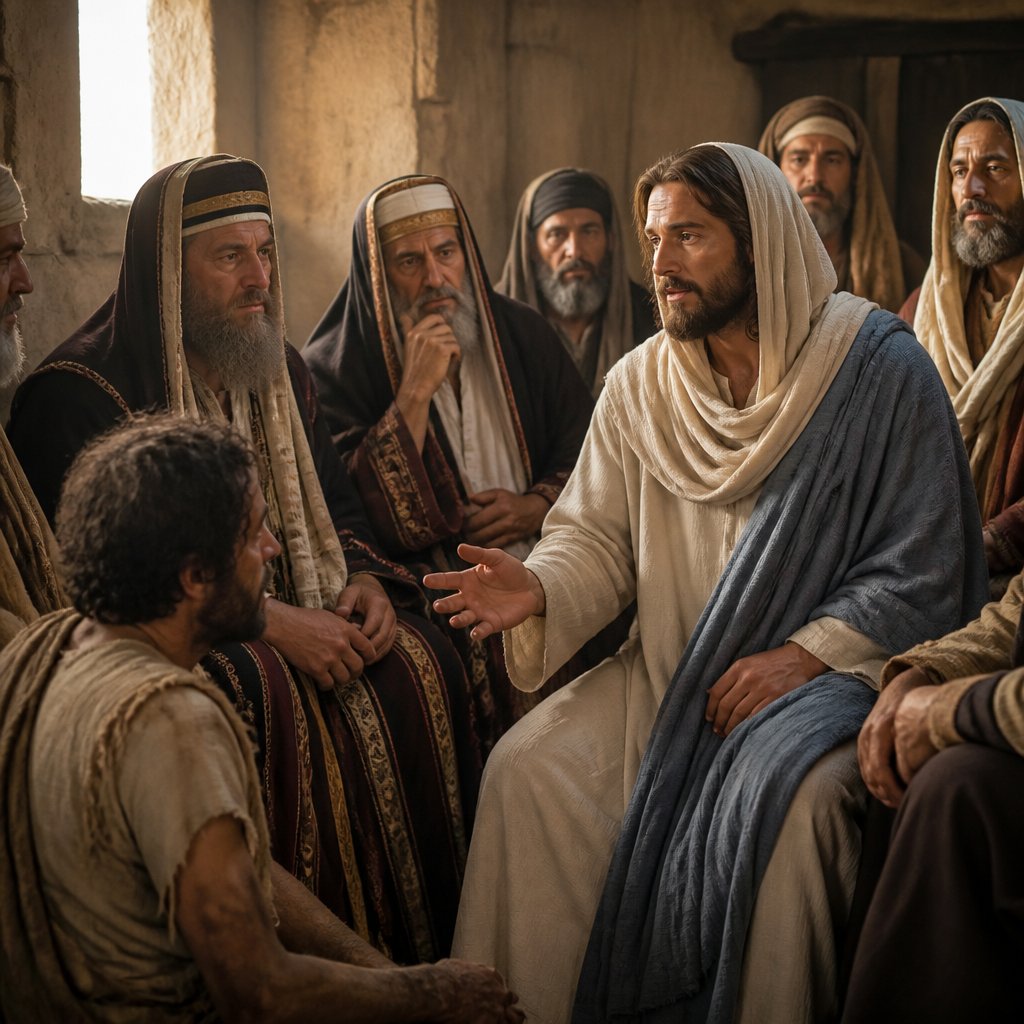
In Luke 14:3, the King James Version (KJV) of the Bible, the verse reads as follows: "And Jesus answering spake unto the lawyers and Pharisees, saying, Is it lawful to heal on the sabbath day?"
This verse is part of a larger narrative in the book of Luke where Jesus is being observed and questioned by the religious leaders of the time. The context of the verse is important to understanding its meaning and relevance within the larger narrative of Jesus' ministry and teachings.
The Pharisees and lawyers in this verse were known for their strict adherence to the Jewish law, particularly the laws related to the Sabbath. Healing on the Sabbath was a controversial issue at the time, as some argued that it was a violation of the Sabbath rest. The Pharisees and lawyers were testing Jesus, hoping to catch him breaking the Sabbath law so they could discredit him as a religious leader.
The themes present in this verse include the tension between legalistic observance of religious laws and the compassionate nature of Jesus' ministry. Jesus' question to the Pharisees and lawyers challenges their understanding of the Sabbath law and forces them to reconsider their priorities. This theme of prioritizing compassion and care for others over strict adherence to religious laws is a recurring theme in the teachings of Jesus.
Symbolism in this verse can be seen in Jesus' question about healing on the Sabbath. The act of healing is symbolic of Jesus' larger mission to bring restoration and wholeness to people, both physically and spiritually. By questioning the legality of healing on the Sabbath, Jesus is challenging the Pharisees and lawyers to reexamine their understanding of God's priorities and the true purpose of religious laws.
The larger context of the verse also sheds light on its meaning. Throughout the Gospels, Jesus is consistently portrayed as challenging the religious establishment of his time, particularly in their interpretation and application of the law. Jesus' teachings often emphasized the importance of love, compassion, and mercy over strict adherence to religious rituals and laws. This verse in Luke is a reflection of Jesus' ongoing conflict with the religious leaders who were more concerned with legalistic observance of the law than with the well-being of those they were meant to serve.
In a broader theological sense, this verse can be interpreted as a demonstration of Jesus' authority and understanding of the true intent of religious laws. By questioning the Pharisees and lawyers about healing on the Sabbath, Jesus is asserting his authority as a teacher and leader who brings a new understanding of God's will and priorities.
In conclusion, Luke 14:3 in the King James Version of the Bible provides insight into the ongoing conflict between Jesus and the religious leaders of his time, and highlights the themes of compassion, mercy, and the true intent of religious laws. This verse serves as a reminder to prioritize love and care for others over rigid observance of religious rules and rituals, and points to Jesus as the ultimate authority on matters of faith and practice.
Get our apps


Artwork for Luke 14:3

Luke 14:3 - "And Jesus answering spake unto the lawyers and Pharisees, saying, Is it lawful to heal on the sabbath day?"
"And Jesus answering spake unto the lawyers and Pharisees, saying, Is it lawful to heal on the sabbath day?" - Luke 14:3

Luke 3:14 - "And the soldiers likewise demanded of him, saying, And what shall we do? And he said unto them, Do violence to no man, neither accuse any falsely; and be content with your wages."

Luke 14:14 - "And thou shalt be blessed; for they cannot recompense thee: for thou shalt be recompensed at the resurrection of the just."

Luke 11:14-15

Luke 18:9-14

Luke 11:1-14

Luke 14:25 - 33

Luke 11:1-14

Luke 2:13-14

Luke 18: 9-14

Luke 2:13-14

Luke 14:6 - "And they could not answer him again to these things."

Colossians 4:14 - "Luke, the beloved physician, and Demas, greet you."

Luke 14:30 - "Saying, This man began to build, and was not able to finish."

Luke 24:14 - "And they talked together of all these things which had happened."

Luke 10:14 - "But it shall be more tolerable for Tyre and Sidon at the judgment, than for you."

Luke 14:2 - "And, behold, there was a certain man before him which had the dropsy."

luke 3:1-6

Luke 3:1-6

Luke 3:1-6

Luke 3:3 - "And he came into all the country about Jordan, preaching the baptism of repentance for the remission of sins;"

Luke 2:14 - "Glory to God in the highest, and on earth peace, good will toward men."

Luke 14:22 - "And the servant said, Lord, it is done as thou hast commanded, and yet there is room."

Luke 14:13 - "But when thou makest a feast, call the poor, the maimed, the lame, the blind:"

Luke 14:25 - "¶ And there went great multitudes with him: and he turned, and said unto them,"

Luke 22:14 - "And when the hour was come, he sat down, and the twelve apostles with him."

Luke 2:13-14 fine pointillism sytle

Luke 24:3 - "And they entered in, and found not the body of the Lord Jesus."
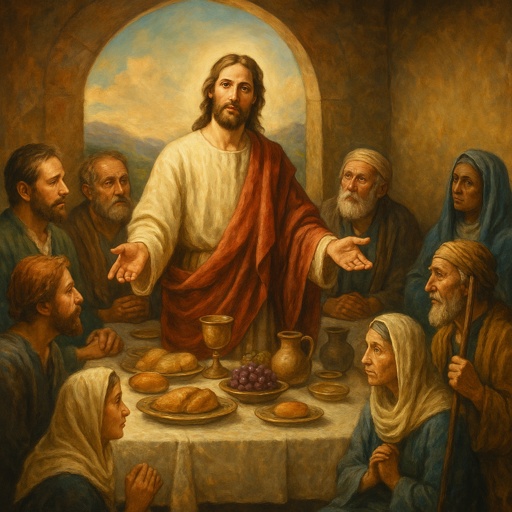
"And he put forth a parable to those which were bidden, when he marked how they chose out the chief rooms; saying unto them, When thou art bidden of any man to a wedding, sit not down in the highest room; lest a more honourable man than thou be bidden of him; And he that bade thee and him come and say to thee, Give this man place; and thou begin with shame to take the lowest room. But when thou art bidden, go and sit down in the lowest room; that when he that bade thee cometh, he may say unto thee, Friend, go up higher: then shalt thou have worship in the presence of them that sit at meat with thee. For whosoever exalteth himself shall be abased; and he that humbleth himself shall be exalted. Then said he also to him that bade him, When thou makest a feast, call the poor, the maimed, the lame, the blind: And thou shalt be blessed; for they cannot recompense thee: for thou shalt be recompensed at the resurrection of the just." - Luke 14:7-14