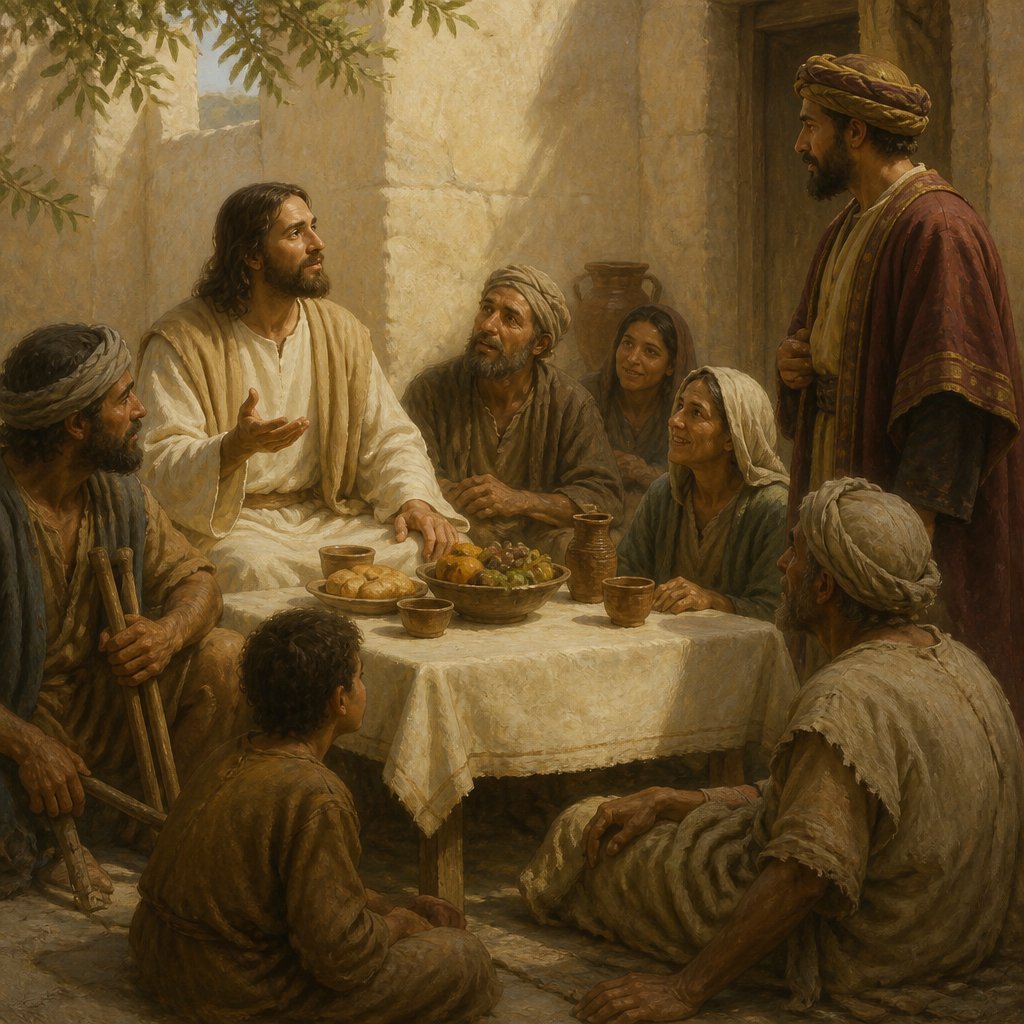
Luke 14:12-14 (KJV) states, "Then said he also to him that bade him, When thou makest a dinner or a supper, call not thy friends, nor thy brethren, neither thy kinsmen, nor thy rich neighbours; lest they also bid thee again, and a recompence be made thee. But when thou makest a feast, call the poor, the maimed, the lame, the blind: And thou shalt be blessed; for they cannot recompense thee: for thou shalt be recompensed at the resurrection of the just."
In these verses, Jesus is teaching a lesson about hospitality and the nature of true charity. The context of this passage is a banquet at the house of a Pharisee, where Jesus was being closely watched by the Pharisees and legal experts to see if he would violate any laws or customs. Jesus uses this occasion to give them a lesson on humility and selfless love.
The first thing to note in this passage is the social dynamics of the time. In ancient Israel, feasts and banquets were an important part of social life, and the seating arrangements and guest lists were carefully observed. It was common for hosts to invite their friends, relatives, and wealthy neighbors to their feasts, with the expectation that they would be invited in return. By instructing his listeners not to invite their friends, brothers, relatives, or rich neighbors, Jesus challenges the prevailing norms of social hospitality and reciprocity.
Instead, Jesus advises his listeners to invite the poor, the maimed, the lame, and the blind to their feasts. By doing so, they would be truly blessed, as these marginalized individuals would not be able to repay their hosts. This act of selfless generosity and compassion would bring spiritual blessings and rewards in the kingdom of God.
The themes of humility, selflessness, and genuine love are central to this passage. Jesus is teaching his followers to extend their hospitality beyond their social circles and to reach out to those who are often overlooked and marginalized in society. This challenges the prevailing mindset of reciprocity and self-interest, and calls for a radical shift in attitude towards others.
The passage also carries a deeper spiritual significance. Jesus' words point to the values and priorities of the kingdom of God, where humility, love, and compassion are highly esteemed. The kingdom of God is a realm where the last will be first, and the first will be last (Matthew 20:16), and where those who show mercy will receive mercy (Matthew 5:7).
The symbolism in this passage is powerful. The feast can be seen as a symbol of the kingdom of God, where all are invited to partake of God's grace and love. The poor, maimed, lame, and blind represent those who are spiritually impoverished, broken, and marginalized. By reaching out to them in love and compassion, we mirror the example of Christ, who came to seek and save the lost (Luke 19:10).
In summary, Luke 14:12-14 challenges us to examine our attitudes towards hospitality, generosity, and love. It calls us to go beyond the expectations of society and to extend our love and compassion to those who are often overlooked and neglected. By doing so, we not only bring blessings to others, but also partake in the blessings of the kingdom of God. It is a powerful reminder of the transformative power of selfless love and the radical inclusivity of God's kingdom.
Get our apps


Artwork for Luke 14:12-14

Luke 14:12-14 - "Then Jesus said to his host, "When you give a luncheon or dinner, do not invite your friends, your brothers or sisters, your relatives, or your wealthy neighbors; if you do, they may invite you back and so you will be repaid. But when you give a banquet, invite the poor, the crippled, the lame, the blind, and you will be blessed. Although they cannot repay you, you will be repaid at the resurrection of the righteous."
"Then Jesus said to his host, "When you give a luncheon or dinner, do not invite your friends, your brothers or sisters, your relatives, or your wealthy neighbors; if you do, they may invite you back and so you will be repaid. But when you give a banquet, invite the poor, the crippled, the lame, the blind, and you will be blessed. Although they cannot repay you, you will be repaid at the resurrection of the righteous." - Luke 14:12-14

Luke 12:14 - "And he said unto him, Man, who made me a judge or a divider over you?"

Luke 14:14 - "And thou shalt be blessed; for they cannot recompense thee: for thou shalt be recompensed at the resurrection of the just."

Luke 11:14-15

Luke 18:9-14

Luke 11:1-14

Luke 14:25 - 33

Luke 11:1-14

Luke 2:13-14

Luke 18: 9-14

Luke 2:13-14
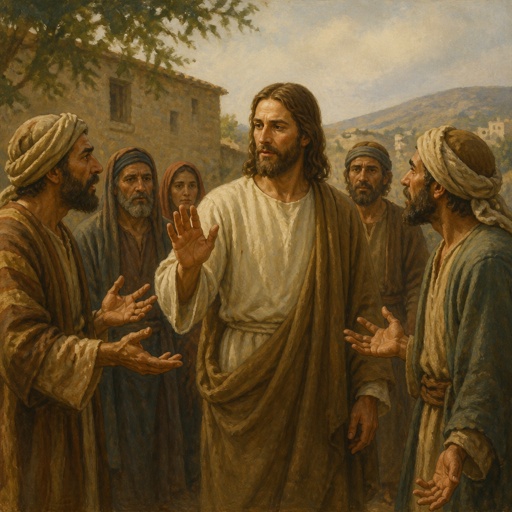
"And he said unto him, Man, who made me a judge or a divider over you?" - Luke 12:14

1 cor 12:12-14

Luke 14:6 - "And they could not answer him again to these things."

Romans 14:12

Isaiah 14:12

Colossians 4:14 - "Luke, the beloved physician, and Demas, greet you."

Luke 14:30 - "Saying, This man began to build, and was not able to finish."
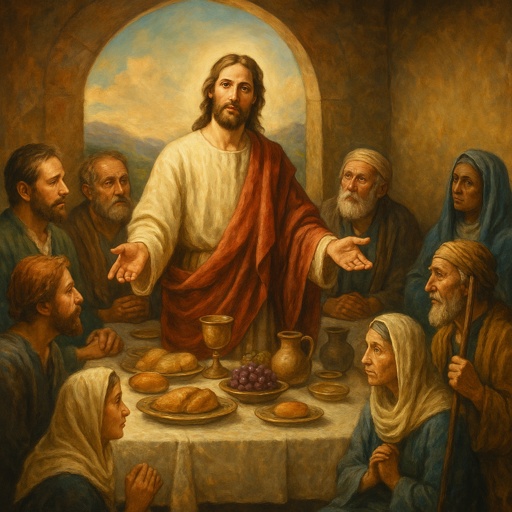
"And he put forth a parable to those which were bidden, when he marked how they chose out the chief rooms; saying unto them, When thou art bidden of any man to a wedding, sit not down in the highest room; lest a more honourable man than thou be bidden of him; And he that bade thee and him come and say to thee, Give this man place; and thou begin with shame to take the lowest room. But when thou art bidden, go and sit down in the lowest room; that when he that bade thee cometh, he may say unto thee, Friend, go up higher: then shalt thou have worship in the presence of them that sit at meat with thee. For whosoever exalteth himself shall be abased; and he that humbleth himself shall be exalted. Then said he also to him that bade him, When thou makest a feast, call the poor, the maimed, the lame, the blind: And thou shalt be blessed; for they cannot recompense thee: for thou shalt be recompensed at the resurrection of the just." - Luke 14:7-14

Luke 24:14 - "And they talked together of all these things which had happened."

1 Kings 12:14

1 Kings 12:14

Luke 10:14 - "But it shall be more tolerable for Tyre and Sidon at the judgment, than for you."

Luke 14:2 - "And, behold, there was a certain man before him which had the dropsy."

Nehemiah 12:14 - "Of Melicu, Jonathan; of Shebaniah, Joseph;"

Luke 2:14 - "Glory to God in the highest, and on earth peace, good will toward men."

Ephesians 1:4

Zephaniah 1:4

Luke 14:22 - "And the servant said, Lord, it is done as thou hast commanded, and yet there is room."