What does Luke 15:5 mean?
“And when he hath found it, he layeth it on his shoulders, rejoicing.” — Luke 15:5
In Luke 15:5, the King James Version (KJV) of the Bible reads, "And when he hath found it, he layeth it on his shoulders, rejoicing." This verse is found within the context of the parable of the Lost Sheep, which is one of the three parables in Luke 15 that Jesus tells to illustrate the concept of God's mercy and forgiveness.
In this particular parable, Jesus uses the imagery of a shepherd leaving his ninety-nine sheep to search for the one that has gone astray. When the shepherd finds the lost sheep, he joyfully carries it back to the flock on his shoulders, rejoicing over its recovery.
The primary theme of this verse is the concept of God's relentless pursuit of His lost children. The imagery of the shepherd represents God, who goes out of His way to seek and save those who are lost. This demonstrates God's unwavering love and care for His people. The shepherd's joy at finding the lost sheep also emphasizes the idea of God's delight in the repentance and return of a sinner. It conveys the message that there is great rejoicing in heaven over one sinner who repents (Luke 15:7).
The parable also highlights the value that God places on each individual. The shepherd is willing to leave the ninety-nine sheep in the open country to search for the one lost sheep, emphasizing the worth of each individual within God's kingdom. This reflects God's deep concern for the welfare of every person and His desire for all to come to repentance (2 Peter 3:9).
Moreover, the act of the shepherd carrying the lost sheep back on his shoulders symbolizes God's compassion and provision for those who have strayed. It conveys the idea that God takes the initiative to restore and care for those who have wandered away from Him. This act also mirrors the sacrificial love of Jesus Christ, who bore the burden of our sins on the cross and willingly took on the role of our Good Shepherd (John 10:11).
The context of this verse within the broader narrative of Luke 15 is significant. The chapter begins with the Pharisees and scribes criticizing Jesus for associating with tax collectors and sinners. In response, Jesus tells these parables to challenge their narrow-mindedness and to illustrate the nature of God's mercy and grace. These parables emphasize the inclusive nature of God's kingdom and His desire to seek out and save those who are lost, regardless of their social status or past mistakes.
In summary, Luke 15:5, within the context of the parable of the Lost Sheep, encapsulates the themes of God's persistent pursuit of the lost, His deep love and care for each individual, and the joy that comes from the repentance and restoration of sinners. The symbolism of the shepherd and the lost sheep serves as a powerful metaphor for the redemptive work of God and the sacrificial love of Jesus Christ. This verse ultimately encourages believers to embrace and reflect the compassionate and merciful nature of God in their own lives.
Get our apps


Artwork for Luke 15:5

Luke 15:5 - "And when he hath found it, he layeth it on his shoulders, rejoicing."

"And when he hath found it, he layeth it on his shoulders, rejoicing." - Luke 15:5

Luke 5:15 - "But so much the more went there a fame abroad of him: and great multitudes came together to hear, and to be healed by him of their infirmities."

luke 5:5
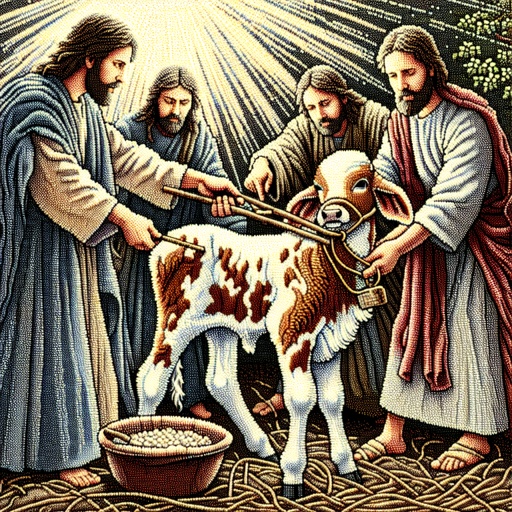
Luke 15:23

Luke 15:10

Luke 15:21

Luke 15:21

Luke 10:5

Luke 10:5

Luke 10:5

Luke 15: 4-7

Luke 11:14-15

Luke 21:15-19

"But so much the more went there a fame abroad of him: and great multitudes came together to hear, and to be healed by him of their infirmities." - Luke 5:15

Luke 15:11-32

Luke 5:36

Luke 5:39

Luke 15:15 - "And he went and joined himself to a citizen of that country; and he sent him into his fields to feed swine."

Luke 4:15 - "And he taught in their synagogues, being glorified of all."

Luke 15:3 - "¶ And he spake this parable unto them, saying,"

Luke 8:5-8

Luke 5:1-11

Luke 5:17-26

Luke 5:1-11

luke 21:5-19

Luke 15:11 - "¶ And he said, A certain man had two sons:"

Luke 9:15 - "And they did so, and made them all sit down."

Luke 6:15 - "Matthew and Thomas, James the son of Alphaeus, and Simon called Zelotes,"

Luke 15:26 - "And he called one of the servants, and asked what these things meant."