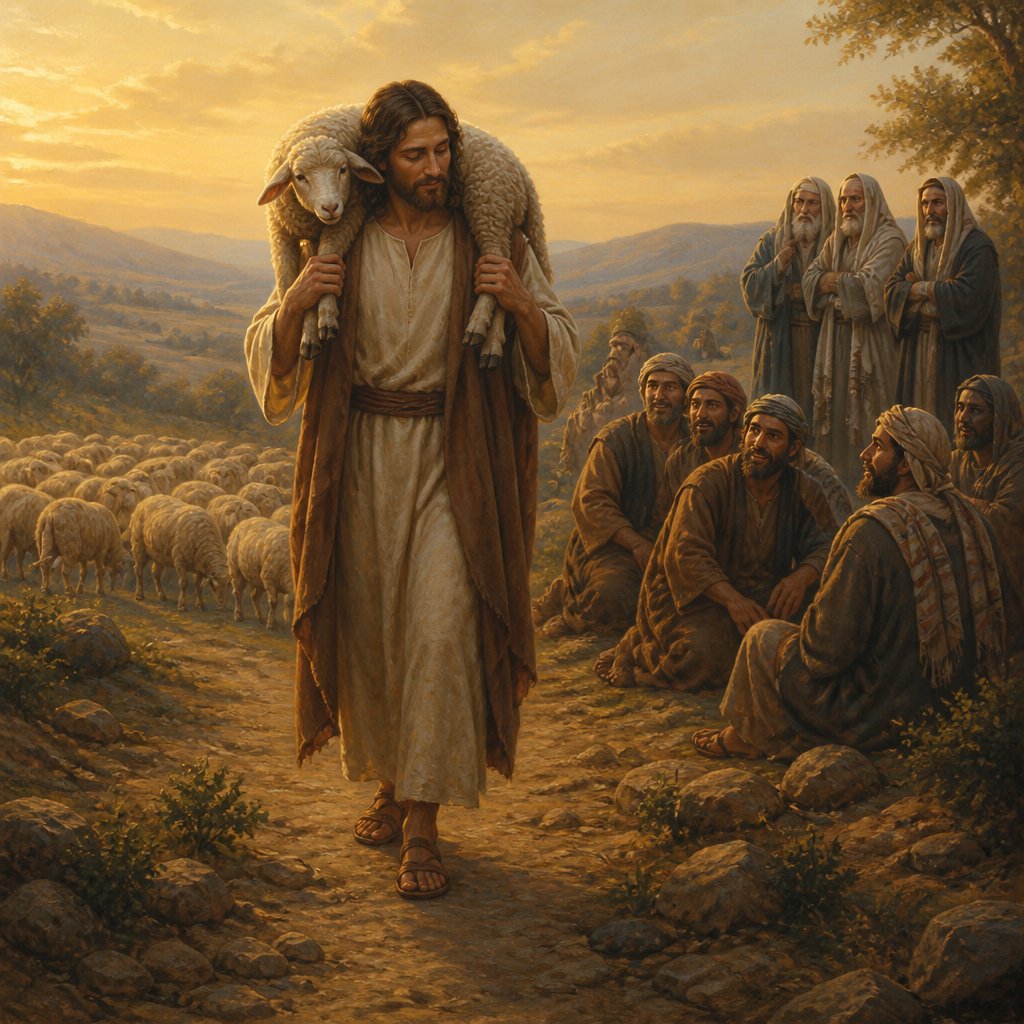
The parable of the lost sheep, as told in Luke 15:1-7, is a powerful and enduring story that speaks to the compassionate and unwavering love of God for all His children. This parable is a part of a series of parables in Luke 15 that focus on the themes of repentance, redemption, and the joy in heaven over the salvation of one sinner. In this particular parable, Jesus uses the image of a shepherd leaving his flock of ninety-nine sheep to search for the one that is lost to illustrate the depth of God's love and care for each individual.
The parable begins with a scene in which tax collectors and sinners are coming to listen to Jesus speak. The Pharisees and scribes, who are watching this, began to grumble and murmur about why Jesus would dare spend time with such undesirable company. This sets the stage for Jesus to tell a series of parables about the lengths to which God goes to seek and save the lost.
In the parable of the lost sheep, Jesus speaks directly to the grumblings of the Pharisees and scribes, pointing out their lack of understanding of God's love. He then tells them the story of a shepherd who has one hundred sheep, and, after finding one lost, leaves the ninety-nine behind to search for the one lost sheep until he finds it.
The message of this parable is abundantly clear - God's love is a relentless pursuit of the lost. The shepherd is symbolic of Jesus, who is willing to leave the safety of the ninety-nine to seek out the one who is lost. This illustrates the depth of God's love and care for each individual, no matter how insignificant or lost they may feel. God is not content to simply leave the lost sheep to its own devices; instead, He actively seeks it out and rejoices when it is found.
This parable also provides an important insight into the nature of sin and repentance. The lost sheep represents those who have strayed from the flock and are in need of repentance. The shepherd's tireless search for the lost sheep illustrates God’s relentless pursuit of sinners who are in need of salvation. This parable emphasizes the importance of repentance and the limitless grace of God, as well as the joy that is experienced in heaven over the salvation of one sinner.
Furthermore, the parable of the lost sheep reflects the overarching theme of redemption and restoration throughout the Bible. It echoes the message of the Good News, which is about God's desire to bring back the lost and restore them to a right relationship with Him. This parable illustrates the lengths to which God is willing to go to seek and save the lost, as seen through the sacrifice of Jesus on the cross.
The parable of the lost sheep is not just a lesson in compassion and care, but also a call to action for Christians to follow in the footsteps of the Good Shepherd. It urges believers to have the same heart for the lost as Jesus, and to actively seek out those who are in need of God's love and grace. It's a reminder that every individual is valuable in the eyes of God, and no one is beyond His reach.
In conclusion, the parable of the lost sheep in Luke 15:1-7 is a powerful illustration of God's unwavering love for all His children, and the lengths to which He will go to seek and save the lost. It serves as a reminder of the joy that is experienced in heaven over the salvation of one sinner and calls believers to follow in the footsteps of the Good Shepherd in seeking out those who are lost. This parable is a timeless and universal message of hope, redemption, and the limitless grace of God.
Get our apps


Artwork for Luke 15:1-7

Luke 15:1-7 - "Now the tax collectors and sinners were all gathering around to hear Jesus. But the Pharisees and the teachers of the law muttered, “This man welcomes sinners and eats with them.” Then Jesus told them this parable: “Suppose one of you has a hundred sheep and loses one of them. Doesn’t he leave the ninety-nine in the open country and go after the lost sheep until he finds it? And when he finds it, he joyfully puts it on his shoulders and goes home. Then he calls his friends and neighbors together and says, ‘Rejoice with me; I have found my lost sheep.’ I tell you that in the same way there will be more rejoicing in heaven over one sinner who repents than over ninety-nine righteous persons who do not need to repent."
"Now the tax collectors and sinners were all gathering around to hear Jesus. But the Pharisees and the teachers of the law muttered, “This man welcomes sinners and eats with them.” Then Jesus told them this parable: “Suppose one of you has a hundred sheep and loses one of them. Doesn’t he leave the ninety-nine in the open country and go after the lost sheep until he finds it? And when he finds it, he joyfully puts it on his shoulders and goes home. Then he calls his friends and neighbors together and says, ‘Rejoice with me; I have found my lost sheep.’ I tell you that in the same way there will be more rejoicing in heaven over one sinner who repents than over ninety-nine righteous persons who do not need to repent." - Luke 15:1-7

Luke 15: 4-7

Luke 15:1 - "Then drew near unto him all the publicans and sinners for to hear him."

Luc 15:1-2

Luke 7:15 - "And he that was dead sat up, and began to speak. And he delivered him to his mother."

Luc 15:1-2

Luke 11:14-15

Luke 21:15-19

Luke 7:50

Luke 7:50

Luc 15:1-2
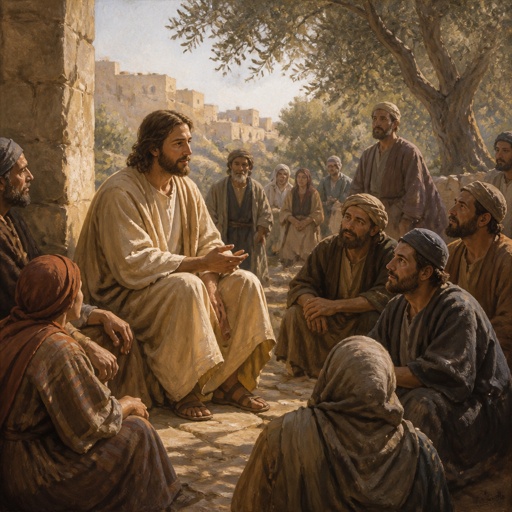
"Then drew near unto him all the publicans and sinners for to hear him." - Luke 15:1

Luc 15:1-2

Luke 15:7 - "I say unto you, that likewise joy shall be in heaven over one sinner that repenteth, more than over ninety and nine just persons, which need no repentance."

1 Corinthians 15:7 - "After that, he was seen of James; then of all the apostles."

Luke 1:7 - "And they had no child, because that Elisabeth was barren, and they both were now well stricken in years."

1 Samuel 7:15 - "And Samuel judged Israel all the days of his life."

"And he that was dead sat up, and began to speak. And he delivered him to his mother." - Luke 7:15

1 Chronicles 15:7 - "Of the sons of Gershom; Joel the chief, and his brethren an hundred and thirty:"

Luke 7:1 - "Now when he had ended all his sayings in the audience of the people, he entered into Capernaum."

Luke 8:7 - "And some fell among thorns; and the thorns sprang up with it, and choked it.

1 Samuel 15:7 - "And Saul smote the Amalekites from Havilah until thou comest to Shur, that is over against Egypt."

Luke 15:23

Luke 15:10

Luke 15:21

Luke 15:21

Luke 1:15 - "For he shall be great in the sight of the Lord, and shall drink neither wine nor strong drink; and he shall be filled with the Holy Ghost, even from his mother's womb."

1 Corinthians 7:15 - "But if the unbelieving depart, let him depart. A brother or a sister is not under bondage in such cases: but God hath called us to peace."

Luke 15:11-32