What does Luke 16:11 mean?
“If therefore ye have not been faithful in the unrighteous mammon, who will commit to your trust the true riches?” — Luke 16:11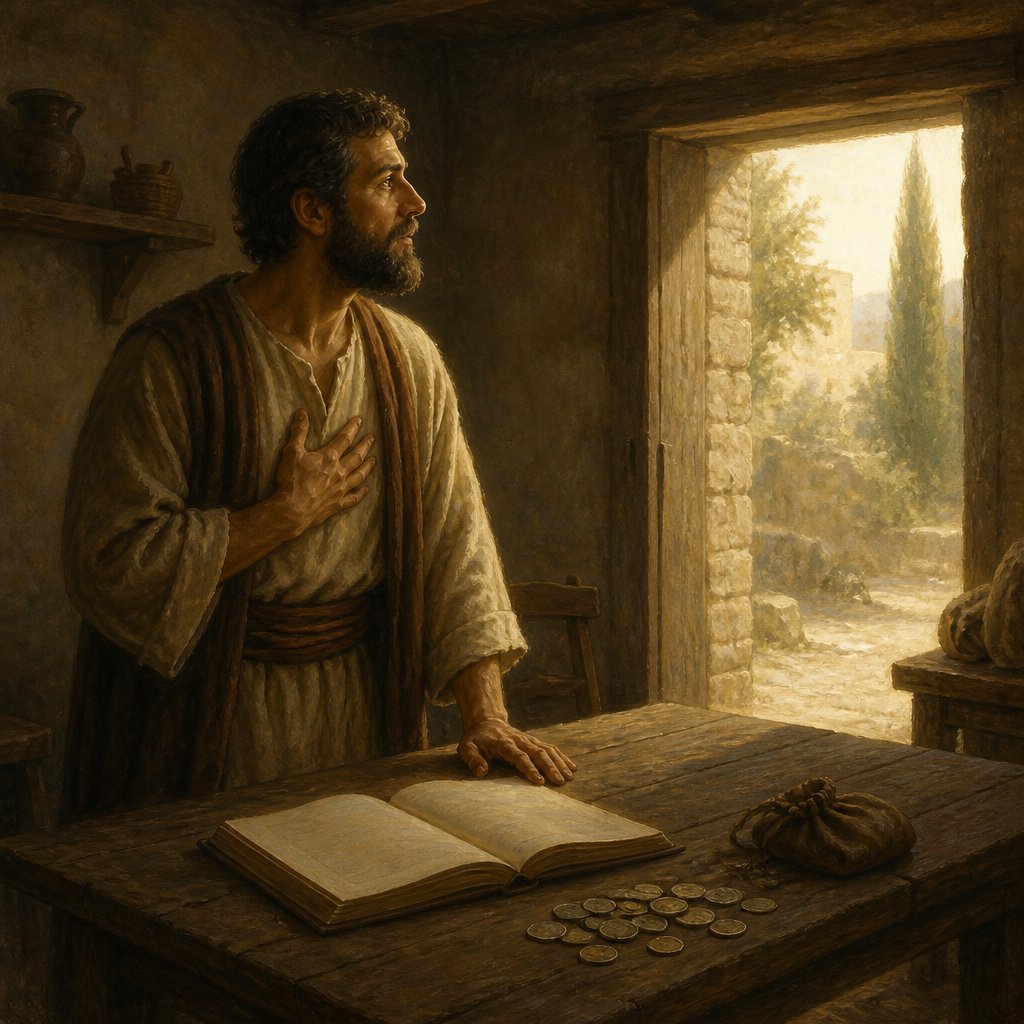
Luke 16:11 in the King James Version of the Bible states, "If therefore ye have not been faithful in the unrighteous mammon, who will commit to your trust the true riches?" This verse is part of a larger parable in which Jesus is teaching his disciples about the stewardship of wealth.
The parable of the unrighteous steward, which precedes this verse, tells the story of a manager who is about to be dismissed for squandering his master's possessions. In an act of desperation, the steward reduces the debts of the master's debtors, hoping to gain favor with them. Despite his dishonesty, the master commends the steward for his shrewdness. Jesus then uses this parable to teach his disciples about the importance of being trustworthy and faithful with the resources God has given them.
The verse in question, Luke 16:11, is a continuation of this lesson. It emphasizes the idea that faithfulness in handling earthly wealth is a prerequisite for receiving true spiritual blessings. "Mammon" refers to material wealth or possessions, and the term "true riches" refers to the spiritual blessings and rewards that God gives to those who are faithful and trustworthy with their worldly possessions.
This verse carries several important themes that are relevant to both the context in which it was spoken and to contemporary life. One of the central themes is the idea of stewardship. In the Christian tradition, stewardship refers to the responsibility that individuals have to manage and care for the resources that God has entrusted to them. This includes not only material possessions, but also time, talents, relationships, and opportunities. Luke 16:11 emphasizes that how we handle these resources is a reflection of our character and trustworthiness.
Another important theme in this verse is the contrast between earthly wealth and spiritual riches. Jesus often spoke about the dangers of pursuing wealth and material possessions at the expense of spiritual growth and relationship with God. In this verse, he is teaching that true fulfillment and blessings come from being faithful and reliable in the small things, such as material wealth, which opens the door to experiencing the greater blessings of spiritual wealth.
The context in which this verse was spoken is also significant. Jesus addressed his disciples, who were likely struggling to understand how to live out their faith in practical ways. The teachings in this parable and verse address the very real and practical aspect of managing wealth and resources with integrity and faithfulness. As Jesus prepared his disciples for their ministry, he emphasized the importance of being faithful and trustworthy stewards of the resources they were given, whether they were material or spiritual in nature.
Symbolism is also present in this verse. "Mammon" can be seen as a symbol of the temptation and distraction of material wealth, and "true riches" symbolize the blessings and rewards of spiritual wealth. This symbolism serves to emphasize the spiritual truths that Jesus is teaching. It also speaks to the broader human experience of grappling with the tension between pursuing material gain and prioritizing spiritual growth and character.
In conclusion, Luke 16:11 contains a powerful message about the importance of stewardship, the contrast between earthly and spiritual wealth, and the need to be faithful and trustworthy in managing the resources that God has entrusted to us. It offers a timeless lesson that is relevant to all people, regardless of their socio-economic status, and challenges us to consider how we are handling the resources we have been given. Ultimately, this verse calls us to prioritize our relationship with God and seek true fulfillment in spiritual blessings rather than pursuing the fleeting rewards of earthly wealth.
Get our apps


Artwork for Luke 16:11

Luke 16:11 - "If therefore ye have not been faithful in the unrighteous mammon, who will commit to your trust the true riches?"
"If therefore ye have not been faithful in the unrighteous mammon, who will commit to your trust the true riches?" - Luke 16:11

Luke 11:16 - "And others, tempting him, sought of him a sign from heaven."
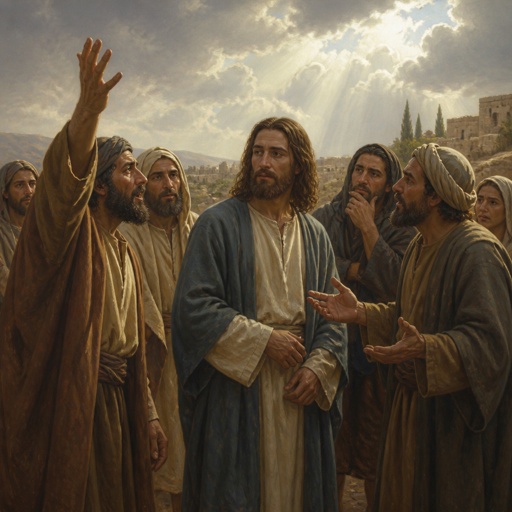
"And others, tempting him, sought of him a sign from heaven." - Luke 11:16

Zechariah 1:1-6

Luke 8:16

luke 4:16

Luke 16:1-13
Luke 11:9

luke 11:23

luke 11:23

luke 11:23

Luke 8:11

luke 11:23

Luke 11:9

Luke 16:1-1313

Luke 16:22-26

Luke 16:1-13

Luke 16:1-13

Luke 2:16 - 21

Luke 16:16 - "The law and the prophets were until John: since that time the kingdom of God is preached, and every man presseth into it."

Luke 1:11-12

Luke 11:14-15

Luke 11:1-14

Luke 11:9-10

Luke 5:16 - "¶ And he withdrew himself into the wilderness, and prayed."

Luke 11:1-14

Luke 5:1-11

Luke 15:11-32

Luke 1:11-12