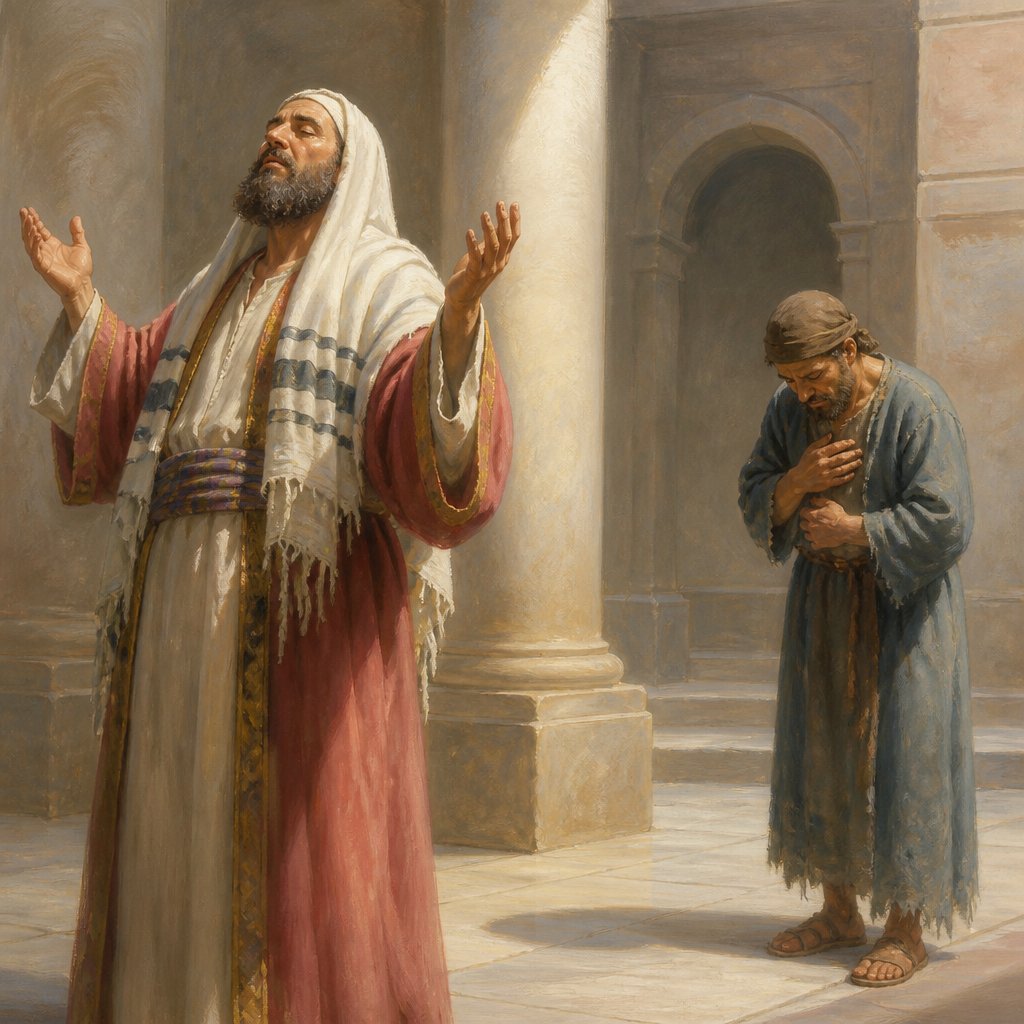
The Bible verse Luke 18:10-14, as found in the King James Version (KJV), reads as follows:
"Two men went up into the temple to pray; the one a Pharisee, and the other a publican. The Pharisee stood and prayed thus with himself, God, I thank thee, that I am not as other men are, extortioners, unjust, adulterers, or even as this publican. I fast twice in the week, I give tithes of all that I possess. And the publican, standing afar off, would not lift up so much as his eyes unto heaven, but smote upon his breast, saying, God be merciful to me a sinner. I tell you, this man went down to his house justified rather than the other: for every one that exalteth himself shall be abased; and he that humbleth himself shall be exalted."
This passage from the Gospel of Luke tells the story of two men who go to the temple to pray, one a Pharisee and the other a tax collector, or publican. The Pharisee, known for their strict adherence to religious laws and traditions, takes a position of prominence in the temple and boasts about his own righteousness. He thanks God that he is not like other men, particularly the tax collector, and lists his own good deeds, such as fasting and tithing. In contrast, the tax collector, known for being despised and seen as a sinner by Jewish society, stands at a distance, beats his breast in sorrow, and humbly asks God for mercy, acknowledging his own sinfulness.
This passage is rich with themes of pride and humility, self-righteousness and true righteousness, and the nature of repentance and forgiveness. The context of this passage is important in understanding its meaning. At the time when Jesus spoke these words, the Pharisees were a highly respected religious sect known for their outward displays of piety and adherence to religious laws. Tax collectors, on the other hand, were despised by the Jewish society as collaborators with the Roman authorities and were seen as sinners. Jesus often used the contrast between Pharisees and tax collectors to illustrate a point, as he did in this parable.
The Pharisee's prayer exemplifies self-righteousness and spiritual pride. He compares himself favorably to others, particularly the tax collector, and boasts about his own good deeds. He sees himself as morally superior and does not recognize his own sinfulness. In contrast, the tax collector's prayer is one of humility and repentance. He recognizes his own sinfulness and is not concerned with comparing himself to others. His focus is solely on his own need for God's mercy and forgiveness.
This passage is a powerful reminder of the danger of self-righteousness and the importance of genuine humility in approaching God. Jesus makes it clear that the tax collector, despite his sinful occupation, is the one who is justified in the eyes of God because of his humble repentance. The Pharisee, on the other hand, who outwardly appears righteous, is rebuked for his pride and self-exaltation.
The symbolism in this passage is significant as well. The temple, the place of worship and sacrifice, becomes the backdrop for these two men's prayers. The Pharisee, with his proud and boastful prayer, stands in a position of prominence, highlighting his self-exaltation. The tax collector, in contrast, stands at a distance, representing his humility and unworthiness. The act of beating his breast demonstrates his inner turmoil and sorrow over his sin.
Overall, this passage challenges us to examine our own attitudes and motivations in approaching God. It serves as a warning against self-righteousness and a call to genuine humility and repentance. It reminds us that true righteousness is found not in comparing ourselves to others or boasting about our own deeds, but in acknowledging our own sinfulness and relying on God's mercy and forgiveness.
Get our apps


Artwork for Luke 18:10-14

Luke 18:10-14 - "Two men went up to the temple to pray, one a Pharisee and the other a tax collector. The Pharisee stood by himself and prayed: 'God, I thank you that I am not like other people--robbers, evildoers, adulterers--or even like this tax collector. I fast twice a week and give a tenth of all I get.' But the tax collector stood at a distance. He would not even look up to heaven, but beat his breast and said, 'God, have mercy on me, a sinner.' I tell you that this man, rather than the other, went home justified before God. For all those who exalt themselves will be humbled, and those who humble themselves will be exalted. "
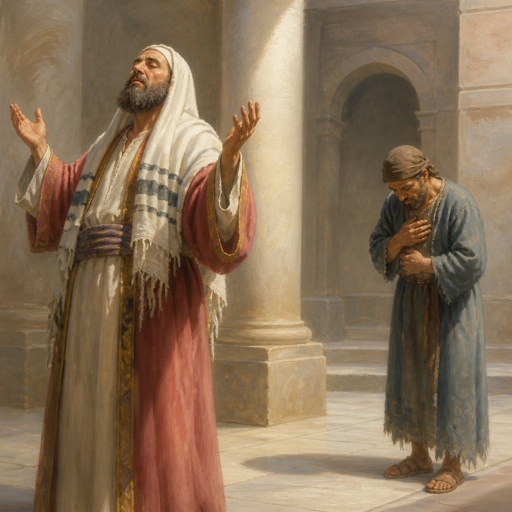
"Two men went up to the temple to pray, one a Pharisee and the other a tax collector. The Pharisee stood by himself and prayed: 'God, I thank you that I am not like other people--robbers, evildoers, adulterers--or even like this tax collector. I fast twice a week and give a tenth of all I get.' But the tax collector stood at a distance. He would not even look up to heaven, but beat his breast and said, 'God, have mercy on me, a sinner.' I tell you that this man, rather than the other, went home justified before God. For all those who exalt themselves will be humbled, and those who humble themselves will be exalted. " - Luke 18:10-14

Luke 10:18-19

Luke 10:18-19

Luke 10:18-19

Luke 10:18-19

Luke 10:18-19

Luke 10:18-19

Luke 18: 9-14

Luke 18:9-14

Luke 10:18-19

Luke 10:14 - "But it shall be more tolerable for Tyre and Sidon at the judgment, than for you."

Luke 18:10 - "Two men went up into the temple to pray; the one a Pharisee, and the other a publican."

Luke 10:18 - "And he said unto them, I beheld Satan as lightning fall from heaven."
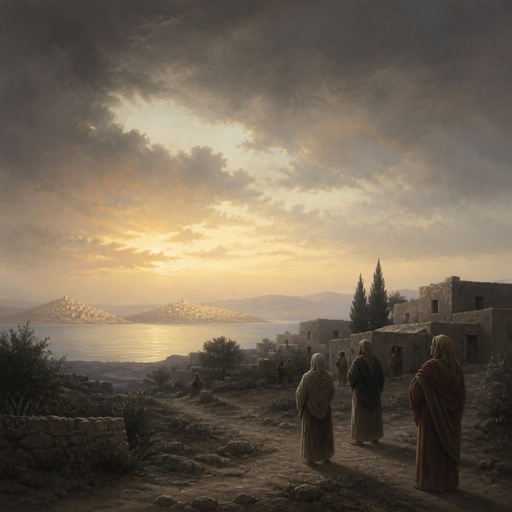
"But it shall be more tolerable for Tyre and Sidon at the judgment, than for you." - Luke 10:14
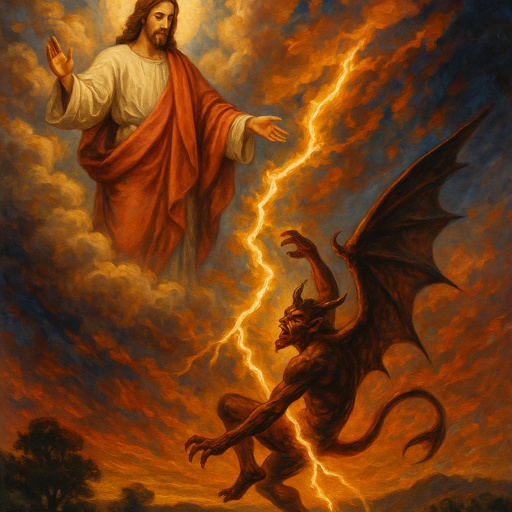
"And he said unto them, I beheld Satan as lightning fall from heaven." - Luke 10:18
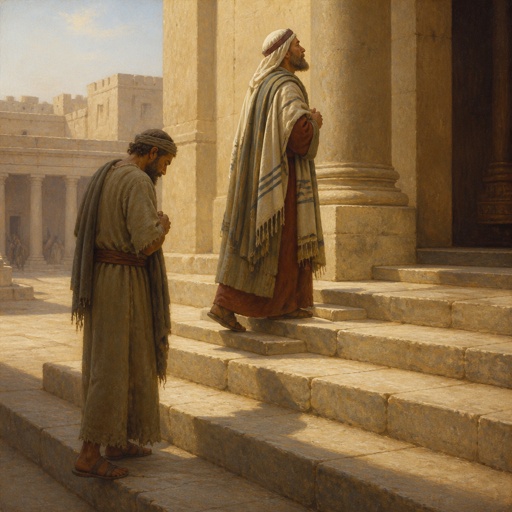
"Two men went up into the temple to pray; the one a Pharisee, and the other a publican." - Luke 18:10

Luke 18:14 - "I tell you, this man went down to his house justified rather than the other: for every one that exalteth himself shall be abased; and he that humbleth himself shall be exalted."

Luke 14:18 - "And they all with one consent began to make excuse. The first said unto him, I have bought a piece of ground, and I must needs go and see it: I pray thee have me excused."
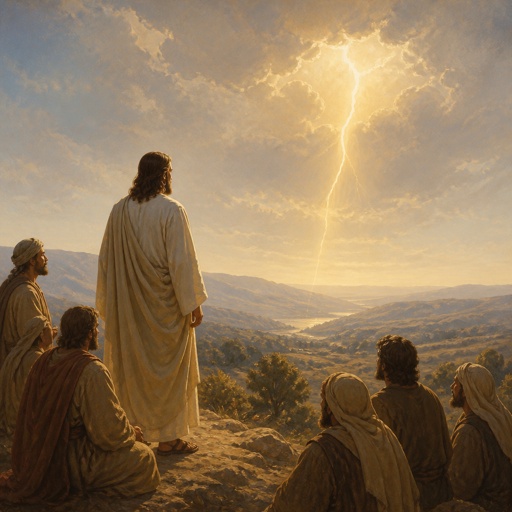
"And he said unto them, I beheld Satan as lightning fall from heaven." - Luke 10:18

Luke 13:18-19

Luke 13:18-19

Luke 4:18

Luke 4:18

Luke 10:5

Luke 10:5

Luke 10:5

Luke 8:4-18

Luke 10:17-19

Luke 14:10 - "But when thou art bidden, go and sit down in the lowest room; that when he that bade thee cometh, he may say unto thee, Friend, go up higher: then shalt thou have worship in the presence of them that sit at meat with thee."