What does Luke 19:16 mean?
“Then came the first, saying, Lord, thy pound hath gained ten pounds.” — Luke 19:16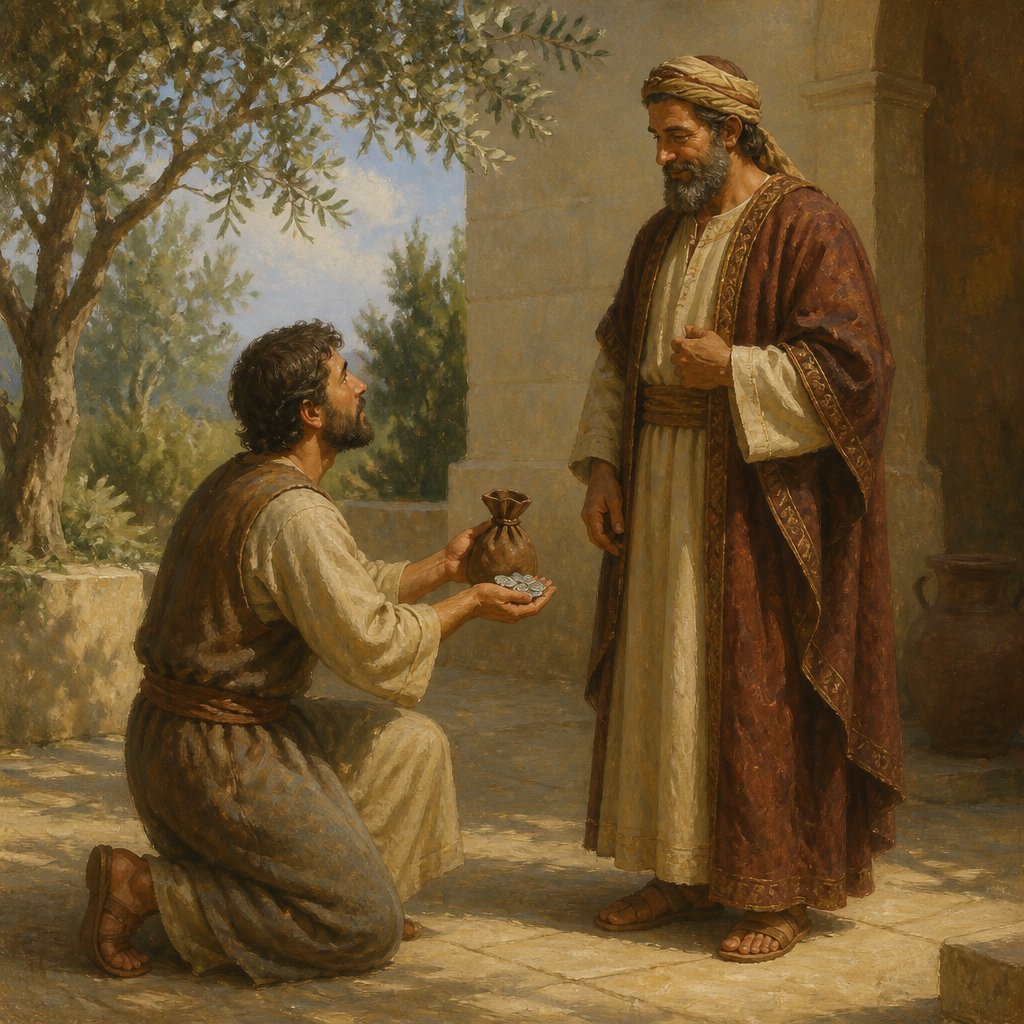
The Bible verse Luke 19:16 from the King James Version (KJV) tells the story of the Parable of the Ten Minas. This parable is attributed to Jesus and is a part of the broader narrative of the Gospel of Luke. In this parable, a nobleman (representing Jesus) goes away to receive a kingdom, and before leaving, he gives ten minas to his servants, instructing them to engage in business and increase the wealth he has entrusted to them. Upon his return, he calls his servants to see how they have managed his resources. The verse in question reads, "Then came the first, saying, Lord, thy pound hath gained ten pounds."
This parable teaches important lessons about stewardship, responsibility, and accountability. The servants in the parable are symbolic of believers, and the nobleman represents Jesus. The "mina" in the parable can be understood as the gifts and resources that God has given to his people, such as time, talents, and opportunities. The parable highlights the importance of using these resources wisely and generating a return for the kingdom of God.
One of the key themes in this verse is the concept of stewardship. Stewardship is the responsible management of resources that are entrusted to us. In a spiritual context, it involves recognizing that everything we have ultimately belongs to God, and we are called to manage these resources in a way that honors Him. The parable emphasizes the idea that God expects us to use our gifts and abilities to further His kingdom and make a positive impact in the world. The faithful servant who multiplied the mina demonstrated good stewardship, while the unfaithful servant who buried it displayed poor stewardship.
Another important theme in this verse is the idea of accountability. The nobleman in the parable holds his servants accountable for what they have done with the minas he entrusted to them. Similarly, God holds us accountable for how we use the resources He has given us. This includes not only tangible resources, but also our time, energy, and spiritual gifts. The parable reminds us that we will one day give an account of our lives and our actions before God, and it encourages us to live in a way that is pleasing to Him.
The context of this verse is significant in understanding its meaning. In the broader narrative of the Gospel of Luke, Jesus tells this parable as he travels to Jerusalem. The parable serves as a response to those who believed that the kingdom of God was going to appear immediately. Through this parable, Jesus teaches that while there may be a delay in the establishment of God's kingdom, believers are still expected to be faithful and diligent in their service.
The symbolism in the verse is also worth noting. The minas represent the resources and opportunities that God has given to His people. The gaining of ten pounds by the servant symbolizes the fruitful use and multiplication of these resources for the advancement of God's kingdom. The nobleman's response to the servant's success represents God's approval and reward for faithful stewardship. On the other hand, the unfaithful servant's fear and lack of action symbolize wasted potential and unfruitfulness, leading to a loss of opportunity for rewards.
In conclusion, Luke 19:16 from the KJV presents a powerful message about stewardship, accountability, and the kingdom of God. It challenges believers to use their resources wisely and multiply them for the glory of God. It also reminds us that we are accountable for how we use what God has given us. This parable encourages us to be faithful and diligent in our service, with the hope of hearing the words, "Well done, good servant!" from our heavenly Master.
Get our apps


Artwork for Luke 19:16

Luke 19:16 - "Then came the first, saying, Lord, thy pound hath gained ten pounds."
"Then came the first, saying, Lord, thy pound hath gained ten pounds." - Luke 19:16

Luke 16:19 - "¶ There was a certain rich man, which was clothed in purple and fine linen, and fared sumptuously every day:"
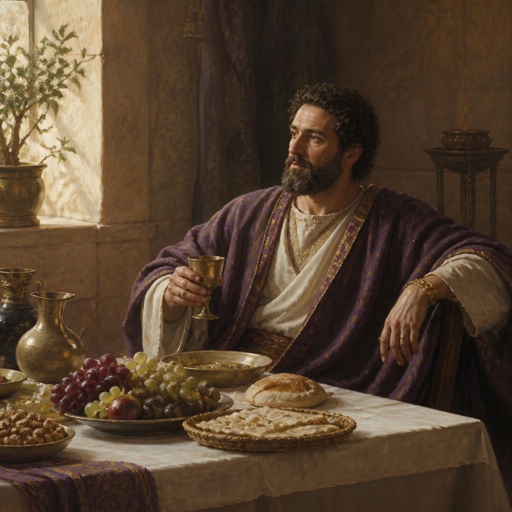
"¶ There was a certain rich man, which was clothed in purple and fine linen, and fared sumptuously every day:" - Luke 16:19

Luke 10:18-19

Luke 13:18-19

Luke 10:18-19

Luke 10:18-19

Luke 13:18-19

Luke 10:17-19

Luke 10:18-19

Luke 10:18-19

Luke 10:18-19

Luke 10:17-19

Luke 19:23

Luke 1:19

Luke 19:23

Luke 19:19 - "And he said likewise to him, Be thou also over five cities."

Luke 19:10

Luke 1:19

Luke 19:28

Luke 1:19

luke 21:5-19

Luke 19:1-10

Luke 8:16

luke 4:16

Luke 10:18-19

Luke 19:1-10

Luke 21:15-19

Luke 4:19 - "To preach the acceptable year of the Lord."