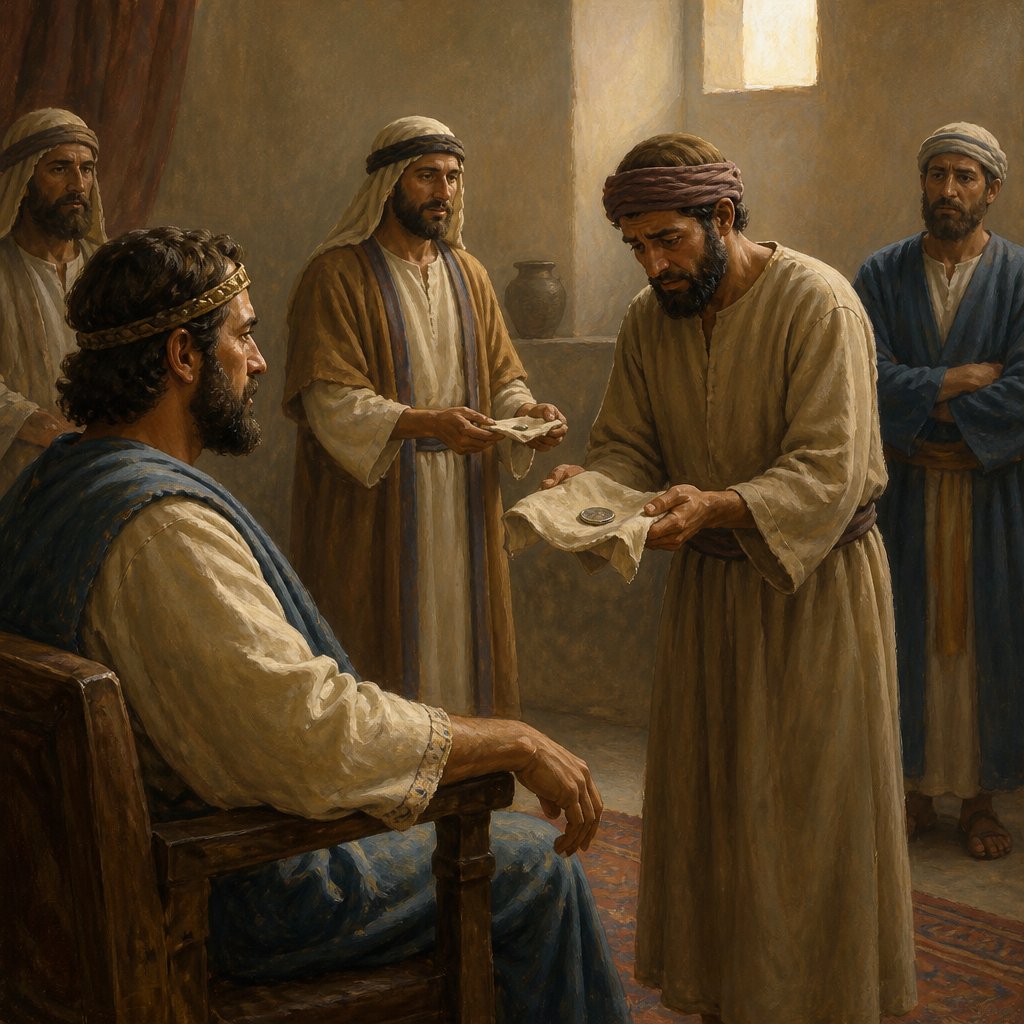
The Bible verse Luke 19:20-26 in the King James Version (KJV) reads as follows:
"And another came, saying, Lord, behold, here is thy pound, which I have kept laid up in a napkin: For I feared thee, because thou art an austere man: thou takest up that thou layedst not down, and reapest that thou didst not sow. And he saith unto him, Out of thine own mouth will I judge thee, thou wicked servant. Thou knewest that I was an austere man, taking up that I laid not down, and reaping that I did not sow: Wherefore then gavest not thou my money into the bank, that at my coming I might have required mine own with usury? And he said unto them that stood by, Take from him the pound, and give it to him that hath ten pounds. (And they said unto him, Lord, he hath ten pounds.) For I say unto you, That unto every one which hath shall be given; and from him that hath not, even that he hath shall be taken away from him."
This passage comes from the Gospel of Luke, which is one of the four canonical gospels in the New Testament of the Bible. The Gospel of Luke is traditionally attributed to Luke the Evangelist, a companion of the apostle Paul. The book is a detailed and well-researched account of the life and teachings of Jesus Christ and is known for its emphasis on compassion, mercy, and the inclusion of marginalized individuals in society.
The passage Luke 19:20-26 is part of the Parable of the Ten Minas, which Jesus tells while he is on his way to Jerusalem. In this parable, a nobleman goes away to receive a kingdom and entrusts ten of his servants with minas, a form of currency. When he returns, he evaluates how the servants have used the minas in his absence.
The servant in this specific passage is one who feared his master and chose to hide the mina in a napkin rather than investing it or using it to generate profit. When the nobleman returns, he is angry with this servant because he did not use the mina wisely. The servant's fear led him to inaction, but the nobleman expected him to at least put the mina in the bank so it could have generated interest.
The parable concludes with the nobleman taking the mina from the fearful servant and giving it to the one who had multiplied his minas and profited. The nobleman's final statement, "For I say unto you, That unto every one which hath shall be given; and from him that hath not, even that he hath shall be taken away from him," emphasizes the concept of responsibility and accountability when entrusted with resources or talents.
One of the central themes of this passage is stewardship. The nobleman represents God, and the minas represent the resources and opportunities God gives to his people. The parable teaches that God expects his followers to use their resources wisely and for the benefit of the kingdom. Inaction and fear are not acceptable, and there are consequences for neglecting the gifts and opportunities that God has provided.
Another theme present in this passage is that of accountability. The servants are held accountable for how they used the minas given to them by their master. Likewise, Christians are ultimately accountable to God for how they invest their time, talents, and resources.
The passage also highlights the importance of faithfulness and diligence in the Christian walk. The servant who receives commendation from the nobleman is the one who worked hard and multiplied his mina. This serves as a reminder that faithfulness and diligence are qualities that God values in his followers.
Additionally, there is an element of divine justice present in the parable. The nobleman's decision to reward the faithful servant and take the mina from the fearful servant reflects the principles of divine justice and fairness in God's kingdom.
In terms of symbolism, the napkin in which the fearful servant hides the mina could symbolize fear, laziness, or a lack of faith. It represents the hesitancy to take risks or make investments with the resources and opportunities God has given. The nobleman's evaluation and judgment of the servants also symbolize the ultimate judgment that believers will face before God.
In conclusion, Luke 19:20-26 is a thought-provoking and instructive passage that teaches important lessons about stewardship, accountability, faithfulness, and divine justice. It challenges believers to use their resources and talents wisely for the advancement of God's kingdom and reminds them of the ultimate accountability they have before God. It is a powerful exhortation to actively engage in the work of the Lord and make the most of the opportunities God has given.
Get our apps


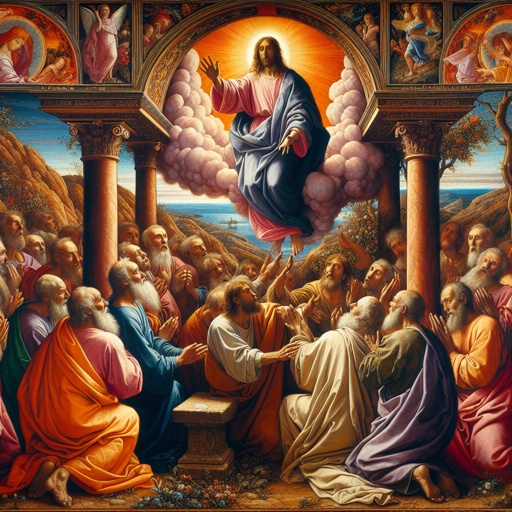
Artwork for Luke 19:20-26

Luke 19:20-26 - "And another came, saying, Lord, behold, here is thy pound, which I have kept laid up in a napkin: For I feared thee, because thou art an austere man: thou takest up that thou layedst not down, and reapest that thou didst not sow. And he saith unto him, Out of thine own mouth will I judge thee, thou wicked servant. Thou knewest that I was an austere man, taking up that I laid not down, and reaping that I did not sow: Wherefore then gavest not thou my money into the bank, that at my coming I might have required mine own with usury? And he said unto them that stood by, Take from him the pound, and give it to him that hath ten pounds. (And they said unto him, Lord, he hath ten pounds.) For I say unto you, That unto every one which hath shall be given; and from him that hath not, even that he hath shall be taken away from him."
"And another came, saying, Lord, behold, here is thy pound, which I have kept laid up in a napkin: For I feared thee, because thou art an austere man: thou takest up that thou layedst not down, and reapest that thou didst not sow. And he saith unto him, Out of thine own mouth will I judge thee, thou wicked servant. Thou knewest that I was an austere man, taking up that I laid not down, and reaping that I did not sow: Wherefore then gavest not thou my money into the bank, that at my coming I might have required mine own with usury? And he said unto them that stood by, Take from him the pound, and give it to him that hath ten pounds. (And they said unto him, Lord, he hath ten pounds.) For I say unto you, That unto every one which hath shall be given; and from him that hath not, even that he hath shall be taken away from him." - Luke 19:20-26

Luke 20:26 - "And they could not take hold of his words before the people: and they marvelled at his answer, and held their peace."

Luke 19:20 - "And another came, saying, Lord, behold, here is thy pound, which I have kept laid up in a napkin:"

Luke 20:19 - "¶ And the chief priests and the scribes the same hour sought to lay hands on him; and they feared the people: for they perceived that he had spoken this parable against them."

Luke 19:26 - "For I say unto you, That unto every one which hath shall be given; and from him that hath not, even that he hath shall be taken away from him."
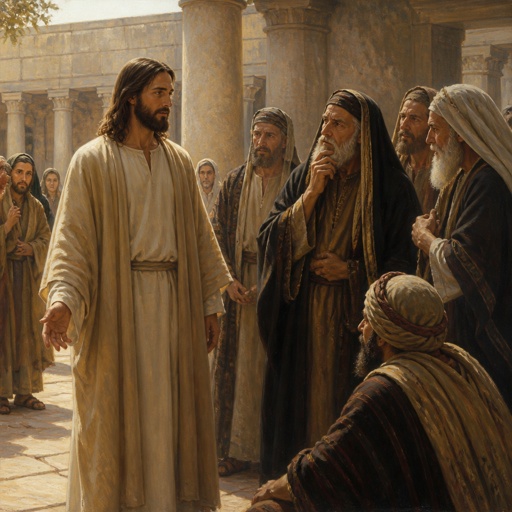
"And they could not take hold of his words before the people: and they marvelled at his answer, and held their peace." - Luke 20:26
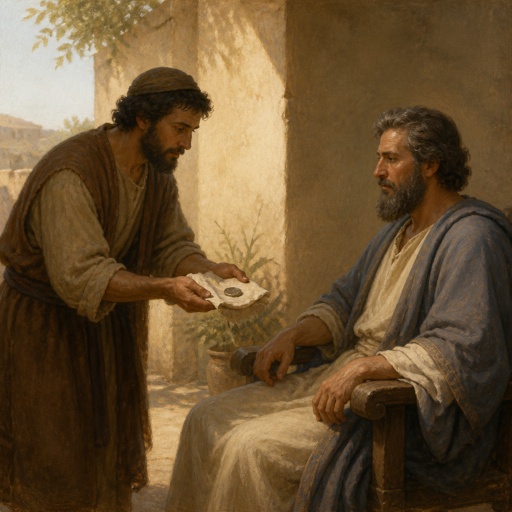
"And another came, saying, Lord, behold, here is thy pound, which I have kept laid up in a napkin:" - Luke 19:20

luke 1:26

luke 1:26

Luke 1:26

Genesis 19-26

Matthew 19:26

Proverbs 26:20

Luke 12:25-26

Luke 12:25-26

Luke 16:22-26

Luke 12:25-26

Luke 6:21-26

Luke 12:25-26
Luke 12:25-26

Luke 12:25-26

Luke 6:21-26

Luke 5:17-26

Luke 12:25-26

Luke 13:20-21

Luke 13:20-21

Luke 10:18-19

Luke 13:18-19

Luke 10:18-19