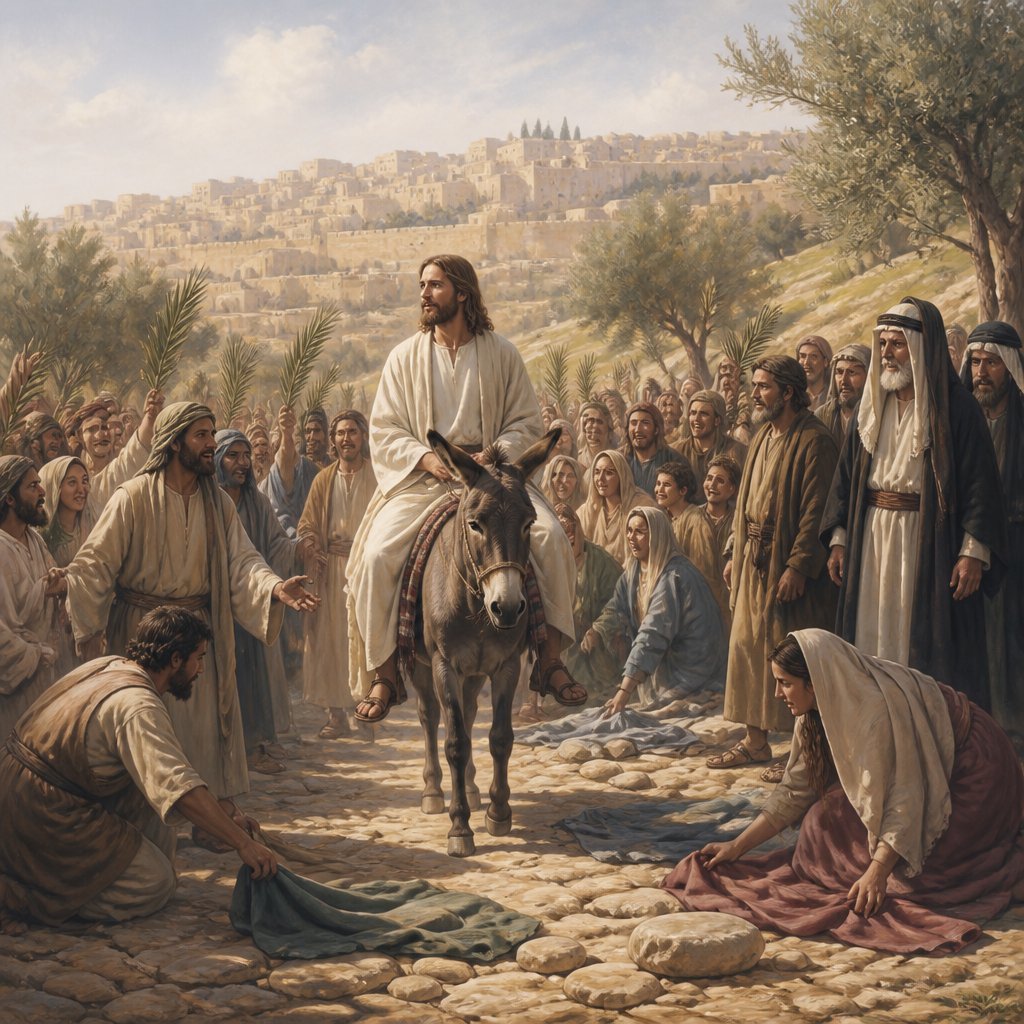
Luke 19:28-40
28 And when he had thus spoken, he went before, ascending up to Jerusalem.
29 And it came to pass, when he was come nigh to Bethphage and Bethany, at the mount called the mount of Olives, he sent two of his disciples,
30 Saying, Go ye into the village over against you; in the which at your entering ye shall find a colt tied, whereon yet never man sat: loose him, and bring him hither.
31 And if any man ask you, Why do ye loose him? thus shall ye say unto him, Because the Lord hath need of him.
32 And they that were sent went their way, and found even as he had said unto them.
33 And as they were loosing the colt, the owners thereof said unto them, Why loose ye the colt?
34 And they said, The Lord hath need of him.
35 And they brought him to Jesus: and they cast their garments upon the colt, and they set Jesus thereon.
36 And as he went, they spread their clothes in the way.
37 And when he was come nigh, even now at the descent of the mount of Olives, the whole multitude of the disciples began to rejoice and praise God with a loud voice for all the mighty works that they had seen;
38 Saying, Blessed be the King that cometh in the name of the Lord: peace in heaven, and glory in the highest.
39 And some of the Pharisees from among the multitude said unto him, Master, rebuke thy disciples.
40 And he answered and said unto them, I tell you that, if these should hold their peace, the stones would immediately cry out.
The above passage from Luke 19:28-40 tells the story of Jesus' triumphant entry into Jerusalem. This event is commonly known as Palm Sunday, which is celebrated by Christians as the beginning of Holy Week, the final week of Lent leading up to Easter. There are several themes, contexts, and symbols present in this passage that are worth exploring in depth.
In this passage, Jesus is depicted as deliberately and prophetically fulfilling the Old Testament prophecy found in Zechariah 9:9, which says, "Rejoice greatly, O daughter of Zion; shout, O daughter of Jerusalem: behold, thy King cometh unto thee: he is just, and having salvation; lowly, and riding upon an ass, and upon a colt the foal of an ass." By instructing his disciples to fetch a colt and sitting on it as he entered Jerusalem, Jesus was demonstrating his fulfillment of this prophecy and asserting his royal authority.
The journey to Jerusalem symbolizes Jesus' determination to fulfill his mission on earth, which was to offer himself as a sacrifice for the sins of humanity. His entry into Jerusalem as a king riding on a colt further emphasizes his kingly and messianic nature. The act of spreading their garments on the road and shouting "Blessed is the King who comes in the name of the Lord" reflects the acknowledgment of Jesus' kingship and the desire for the arrival of the Messiah.
The reaction of the Pharisees in verse 39, when they ask Jesus to rebuke his disciples for their exuberant praise, serves as a contrast to the celebratory mood of the disciples. The Pharisees, who were opposed to Jesus' teachings and saw him as a threat to their traditional beliefs, were uncomfortable with the idea of Jesus being hailed as a king. This foreshadows the opposition and conflict that Jesus would face in the days to come, ultimately leading to his crucifixion.
Furthermore, the significance of the people's praise cannot be understated. Their proclamation of "peace in heaven and glory in the highest" echoes the proclamation of the heavenly hosts at Jesus' birth in Luke 2:14, bridging the two momentous events in Jesus' life and ministry. This echoes the theme of peace and salvation that is central to the Christian faith, as Jesus, the Prince of Peace, comes to bring reconciliation between God and humanity.
In verse 40, Jesus' response to the Pharisees, stating that if the disciples were silent, the stones themselves would cry out, underscores the inevitability and importance of the event. The imagery of even the stones being compelled to praise God emphasizes the significance of Jesus' arrival as the long-awaited Messiah and Savior.
In conclusion, the passage from Luke 19:28-40 captures a pivotal moment in Jesus' ministry, marking his triumphant entry into Jerusalem as the long-awaited King and Messiah. The themes of fulfillment of prophecy, Jesus' kingly authority, opposition from religious authorities, and the proclamation of peace and salvation are all woven into this powerful narrative. As Christians celebrate Palm Sunday, they are reminded of the significance of Jesus' arrival and the fulfillment of God's promises.
Get our apps


Artwork for Luke 19:28-40

Luke 19:28-40 - "After Jesus had said this, he went on ahead, going up to Jerusalem. As he approached Bethphage and Bethany at the hill called the Mount of Olives, he sent two of his disciples, saying to them, “Go to the village ahead of you, and as you enter it, you will find a colt tied there, which no one has ever ridden. Untie it and bring it here. If anyone asks you, ‘Why are you untying it?’ say, ‘The Lord needs it.’” Those who were sent ahead went and found it just as he had told them. As they were untying the colt, its owners asked them, “Why are you untying the colt?” They replied, “The Lord needs it.” They brought it to Jesus, threw their cloaks on the colt and put Jesus on it. As he went along, people spread their cloaks on the road. When he came near the place where the road goes down the Mount of Olives, the whole crowd of disciples began joyfully to praise God in loud voices for all the miracles they had seen: “Blessed is the king who comes in the name of the Lord!” “Peace in heaven and glory in the highest!” Some of the Pharisees in the crowd said to Jesus, “Teacher, rebuke your disciples!” “I tell you,” he replied, “if they keep quiet, the stones will cry out.”"

"After Jesus had said this, he went on ahead, going up to Jerusalem. As he approached Bethphage and Bethany at the hill called the Mount of Olives, he sent two of his disciples, saying to them, “Go to the village ahead of you, and as you enter it, you will find a colt tied there, which no one has ever ridden. Untie it and bring it here. If anyone asks you, ‘Why are you untying it?’ say, ‘The Lord needs it.’” Those who were sent ahead went and found it just as he had told them. As they were untying the colt, its owners asked them, “Why are you untying the colt?” They replied, “The Lord needs it.” They brought it to Jesus, threw their cloaks on the colt and put Jesus on it. As he went along, people spread their cloaks on the road. When he came near the place where the road goes down the Mount of Olives, the whole crowd of disciples began joyfully to praise God in loud voices for all the miracles they had seen: “Blessed is the king who comes in the name of the Lord!” “Peace in heaven and glory in the highest!” Some of the Pharisees in the crowd said to Jesus, “Teacher, rebuke your disciples!” “I tell you,” he replied, “if they keep quiet, the stones will cry out.”" - Luke 19:28-40

Luke 19:28

Luke 19:40 - "And he answered and said unto them, I tell you that, if these should hold their peace, the stones would immediately cry out."

Luke 19:28 - "¶ And when he had thus spoken, he went before, ascending up to Jerusalem."

"¶ And when he had thus spoken, he went before, ascending up to Jerusalem." - Luke 19:28

Exodus 40:28 - "¶ And he set up the hanging at the door of the tabernacle."

Luke 1:40 - "And entered into the house of Zacharias, and saluted Elisabeth."
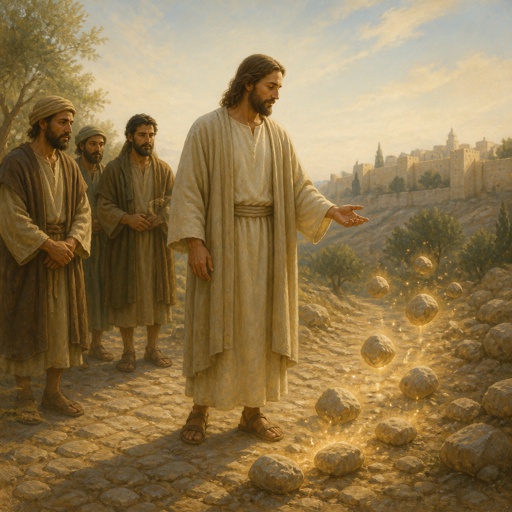
"And he answered and said unto them, I tell you that, if these should hold their peace, the stones would immediately cry out." - Luke 19:40

Luke 20:40 - "And after that they durst not ask him any question at all."

Luke 9:40 - "And I besought thy disciples to cast him out; and they could not."

Ezekiel 40:28 - "And he brought me to the inner court by the south gate: and he measured the south gate according to these measures;"

Luke 6:40 - "The disciple is not above his master: but every one that is perfect shall be as his master."

Luke 20:28

Ezekiel 28:11-19

Ezekiel 28:11-19

Luke 12:40 - "Be ye therefore ready also: for the Son of man cometh at an hour when ye think not."

Luke 22:40 - "And when he was at the place, he said unto them, Pray that ye enter not into temptation."
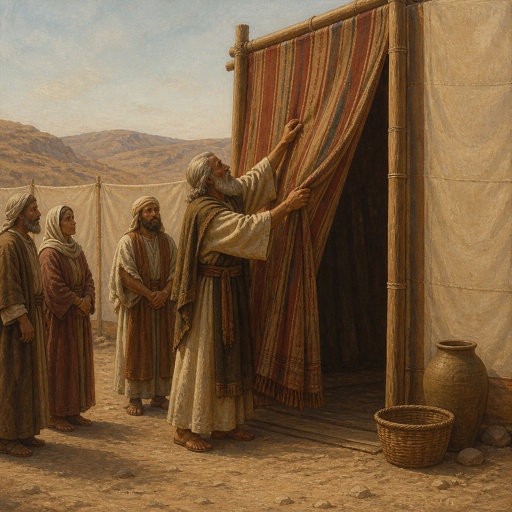
"¶ And he set up the hanging at the door of the tabernacle." - Exodus 40:28

Joshua 19:40 - "¶ And the seventh lot came out for the tribe of the children of Dan according to their families."

Ezekiel 28:11-19

Ezekiel 28:11-19

Ezekiel 28:11-19

Ezekiel 28:11-19

Luke 11:40 - "Ye fools, did not he that made that which is without make that which is within also?"
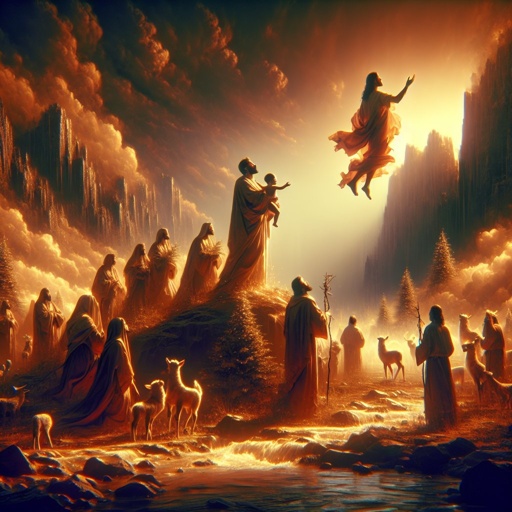
Luke 2:40 - "And the child grew, and waxed strong in spirit, filled with wisdom: and the grace of God was upon him."

Luke 24:40 - "And when he had thus spoken, he shewed them his hands and his feet."

matthew 28:19

Genesis 28-19

matthew 28:19