What does Luke 1:36 mean?
“And, behold, thy cousin Elisabeth, she hath also conceived a son in her old age: and this is the sixth month with her, who was called barren.” — Luke 1:36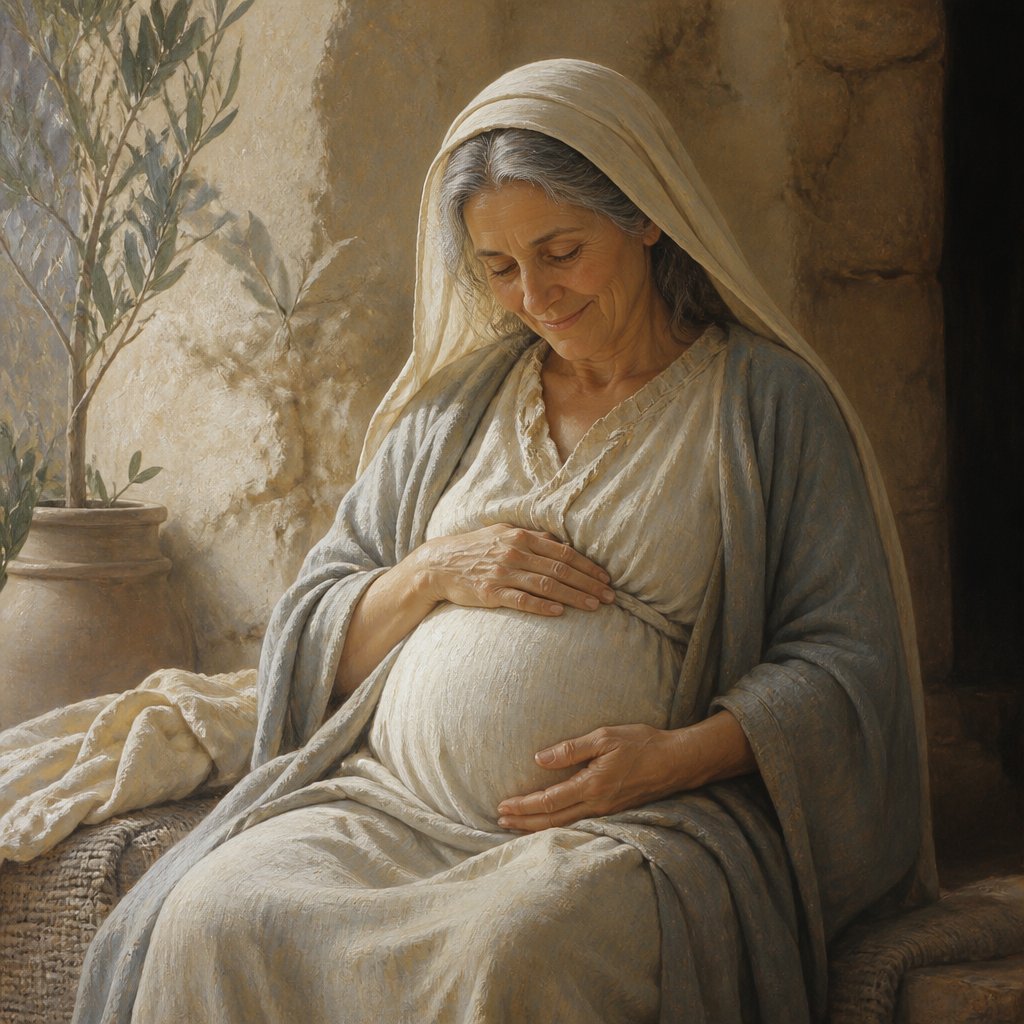
Luke 1:36 (KJV) states, "And, behold, thy cousin Elisabeth, she hath also conceived a son in her old age: and this is the sixth month with her, who was called barren." This verse is a part of the famous story of the Annunciation, where the angel Gabriel informs Mary that she will conceive and give birth to Jesus, the Son of God.
The context of this verse is crucial to understanding its significance. The Gospel of Luke is considered one of the Synoptic Gospels, which provides a detailed account of the life, teachings, death, and resurrection of Jesus. Luke's Gospel is unique as it includes many stories and details not found in the other Gospels, and it is often characterized by its emphasis on women, the marginalized, and social justice.
In this particular verse, the angel Gabriel is speaking to Mary, informing her of the miraculous conception of her cousin, Elizabeth. This sets the stage for the miraculous conception of Jesus by a virgin, Mary. The parallel between the two conceptions serves to emphasize the divine nature of both John the Baptist and Jesus. It also highlights the fulfillment of the prophecy and the miraculous nature of the events leading up to the birth of Jesus.
The theme of divine intervention is a prominent one in this verse. Both Elizabeth and Mary are in situations where conception would be considered impossible by human standards. Elizabeth is "old" and "barren," while Mary is a virgin. The fact that both women conceive against the odds speaks to the power and sovereignty of God. It shows that nothing is impossible with Him and that He can bring about His divine purposes through the most unlikely circumstances.
Another theme in this verse is the fulfillment of prophecy. The conception of John the Baptist and Jesus fulfills the prophecies of the Old Testament. Both births were foretold by the prophets, and their significance is deeply rooted in the history of Israel. The fulfillment of these prophecies serves as a reminder of God's faithfulness and His ability to bring about what He has promised.
The concept of the barren woman giving birth is a recurring theme in the Bible and carries great symbolism. Throughout the Old Testament, barrenness is often seen as a sign of God's displeasure or a lack of blessing. However, when a barren woman conceives, it is a powerful symbol of God's favor, intervention, and the possibility of new life. This symbolism is seen in the stories of Sarah, Rebekah, Rachel, and Hannah, and it is echoed in the conception of Elizabeth and Mary.
The verse also highlights the importance of family and relationships. Mary's relationship with her cousin Elizabeth is an integral part of the story of Jesus' conception. The fact that Elizabeth, despite her advanced age and barrenness, is also expecting a child underscores the interconnectedness of their lives and the divine plan unfolding within their family.
In conclusion, Luke 1:36 is a significant verse within the broader narrative of the Annunciation. It conveys themes of divine intervention, fulfillment of prophecy, and the symbolic meaning of a barren woman giving birth. The verse serves as a foreshadowing of the miraculous conception of Jesus and emphasizes the role of both Elizabeth and Mary in the unfolding of God's plan for salvation. It is a powerful reminder of God's sovereignty and faithfulness, as well as the importance of family and relationships in the divine story of redemption.
Get our apps


Artwork for Luke 1:36

Luke 1:36 - "And, behold, thy cousin Elisabeth, she hath also conceived a son in her old age: and this is the sixth month with her, who was called barren."
"And, behold, thy cousin Elisabeth, she hath also conceived a son in her old age: and this is the sixth month with her, who was called barren." - Luke 1:36

Luke 5:36

Luke 11.33-36

Luke 7:36-50

Luke 7:36–50

Luke 19:36 - "And as he went, they spread their clothes in the way."

Luke 6:36 - "Be ye therefore merciful, as your Father also is merciful."

Luke 18:36 - "And hearing the multitude pass by, he asked what it meant."

Luke 17:36 - "Two men shall be in the field; the one shall be taken, and the other left."

Luke 23:36 - "And the soldiers also mocked him, coming to him, and offering him vinegar,"

Luke 8:36 - "They also which saw it told them by what means he that was possessed of the devils was healed."

Luke 10:36 - "Which now of these three, thinkest thou, was neighbour unto him that fell among the thieves?"

"And as he went, they spread their clothes in the way." - Luke 19:36

Luke 20:36 - "Neither can they die any more: for they are equal unto the angels; and are the children of God, being the children of the resurrection."

Luke 24:36 - "¶ And as they thus spake, Jesus himself stood in the midst of them, and saith unto them, Peace be unto you."

Luke 3:36 - "Which was the son of Cainan, which was the son of Arphaxad, which was the son of Sem, which was the son of Noe, which was the son of Lamech,"
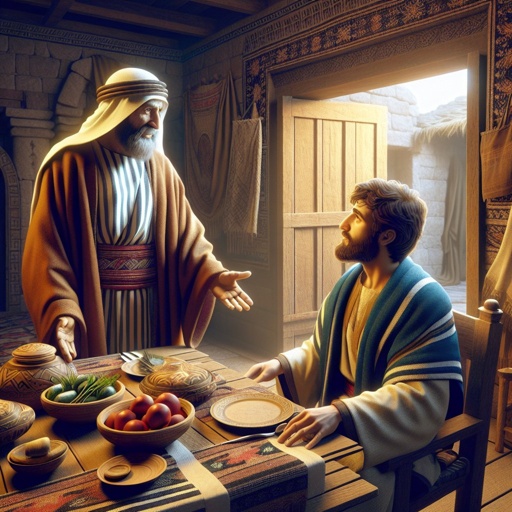
Luke 7:36 - "¶ And one of the Pharisees desired him that he would eat with him. And he went into the Pharisee's house, and sat down to meat."

Depict a biblical scene from Luke 2:36: Anna, an older Middle Eastern female prophet with brown skin who fasts and prays as a regular part of her lifestyle in the temple.

Depict a biblical scene from Luke 2:36: Anna, an older Middle Eastern female prophet with medium brown skin who fasts and prays as a regular part of her lifestyle in the temple.
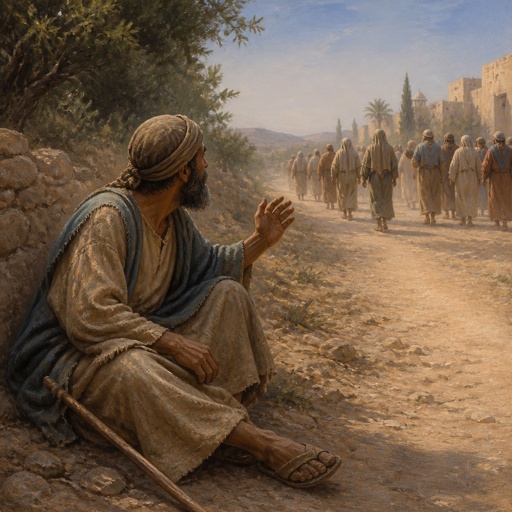
"And hearing the multitude pass by, he asked what it meant." - Luke 18:36
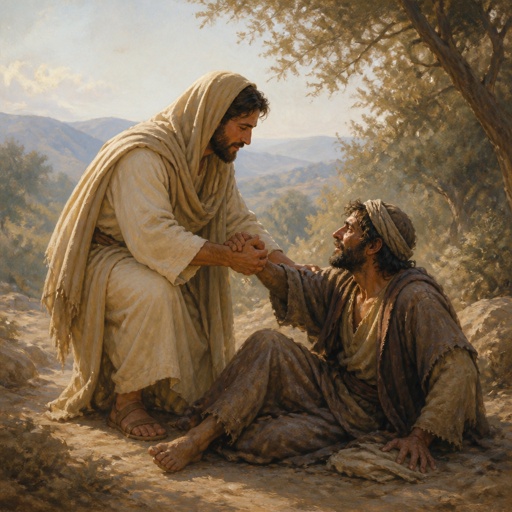
"Be ye therefore merciful, as your Father also is merciful." - Luke 6:36

Luke 4:36 - "And they were all amazed, and spake among themselves, saying, What a word is this! for with authority and power he commandeth the unclean spirits, and they come out."

Acts2:36

1 Corinthians 14:36

1 Corinthians 15:36

Luke 2:36 - "And there was one Anna, a prophetess, the daughter of Phanuel, of the tribe of Aser: she was of a great age, and had lived with an husband seven years from her virginity;"

Luke 9:36 - "And when the voice was past, Jesus was found alone. And they kept it close, and told no man in those days any of those things which they had seen."

1 Corinthians 14:36

Please depict a biblical scene from Luke 2:36: Anna, an elderly 84 year old Middle Eastern female prophet with medium brown skin who fasts and prays as a regular part of her lifestyle in the temple.