What does Luke 1:5 mean?
“There was in the days of Herod, the king of Judæa, a certain priest named Zacharias, of the course of Abia: and his wife was of the daughters of Aaron, and her name was Elisabeth.” — Luke 1:5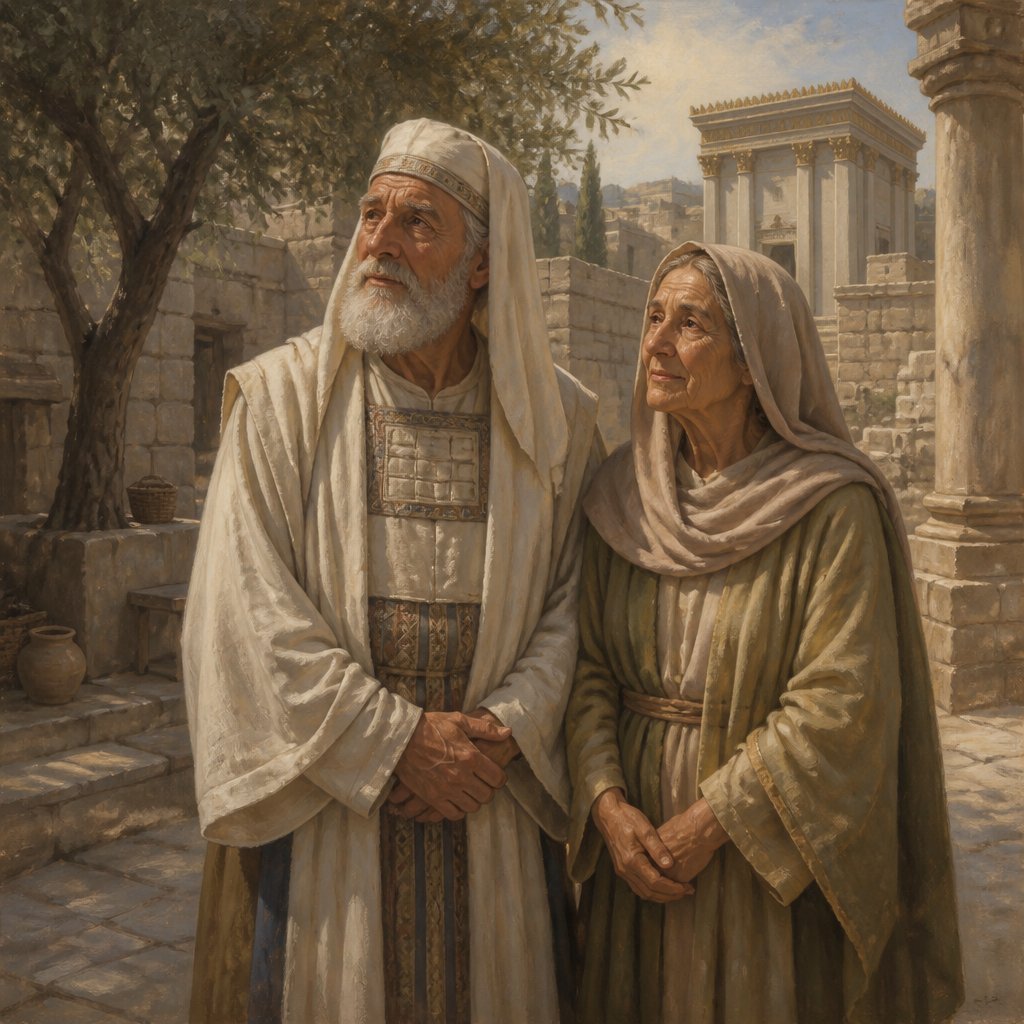
Luke 1:5 from the King James Version (KJV) of the Bible reads, "There was in the days of Herod, the king of Judaea, a certain priest named Zacharias, of the course of Abia: and his wife was of the daughters of Aaron, and her name was Elisabeth." This verse is the introduction to the story of the birth of John the Baptist, and it sets the stage for the miraculous events that are about to unfold.
In this verse, the author, Luke, provides a specific historical context for the events that follow. The reference to Herod, the king of Judaea, gives us a precise timeframe for when these events occurred. Herod the Great was a Roman-appointed ruler of Judea from 37–4 B.C. This means that the events surrounding the birth of John the Baptist would have taken place during the reign of Herod, a time of great political and social complexity in the region. By situating the story within this historical context, Luke emphasizes the significance of John the Baptist’s birth and the impact he will have.
The mention of Zacharias, a priest from the course of Abia, and his wife Elisabeth, who was of the daughters of Aaron, is also significant. The fact that Zacharias was a priest and Elisabeth was a descendant of Aaron, the brother of Moses and a prominent figure in Israelite history, underscores the couple's lineage and their place within the religious and social hierarchy of their time. This detail highlights the couple's righteousness and faithfulness in the eyes of God and sets the stage for the miraculous events that will occur in their lives.
The use of specific names and details in this verse serves to ground the narrative in reality and historical fact. It lends an air of authenticity to the story and lends credibility to the miraculous events that will follow. The specific lineage of Zacharias and Elisabeth is especially important as it establishes their place within the religious community and emphasizes their righteousness and worthiness to be chosen as vessels for the fulfillment of God's plan.
In addition to its historical and contextual significance, this verse also establishes important themes that will resonate throughout the rest of the narrative. The mention of Zacharias' and Elisabeth's barrenness, which is revealed in the verses that follow, highlights the theme of divine intervention and the miraculous nature of John the Baptist's birth. This theme of God's ability to accomplish the impossible and bring about new life where there was once barrenness is central to the narrative and serves to underscore the miraculous nature of Jesus' birth as well.
Furthermore, the introduction of Zacharias and Elisabeth as faithful and righteous individuals sets the stage for the larger theme of God's faithfulness and the fulfillment of His promises. Despite their old age and their inability to conceive, Zacharias and Elisabeth remained faithful to God, and in return, God remained faithful to them, fulfilling His promise to bless them with a son who would play a pivotal role in preparing the way for the Messiah.
Symbolically, the introduction of Zacharias and Elisabeth represents the larger theme of God's sovereignty and His ability to use ordinary individuals to accomplish His extraordinary purposes. The fact that Zacharias and Elisabeth were chosen for such a significant role in the fulfillment of God's plan speaks to the idea that God often works through the humble and the unexpected to bring about His purposes. This symbolizes the overarching message of the Christian faith, which emphasizes the power and sovereignty of God in all aspects of human life.
In conclusion, Luke 1:5 from the King James Version of the Bible contains a wealth of meaning and significance. It provides important historical context, establishes key themes, and symbolizes important theological concepts. The verse sets the stage for the miraculous events that will follow and underscores the overarching message of the Christian faith – that God is faithful and sovereign, and He has the power to bring about new life and fulfill His promises, even in the most unexpected ways.
Get our apps


Artwork for Luke 1:5

Luke 1:5 - "¶ There was in the days of Herod, the king of Judaea, a certain priest named Zacharias, of the course of Abia: and his wife was of the daughters of Aaron, and her name was Elisabeth."
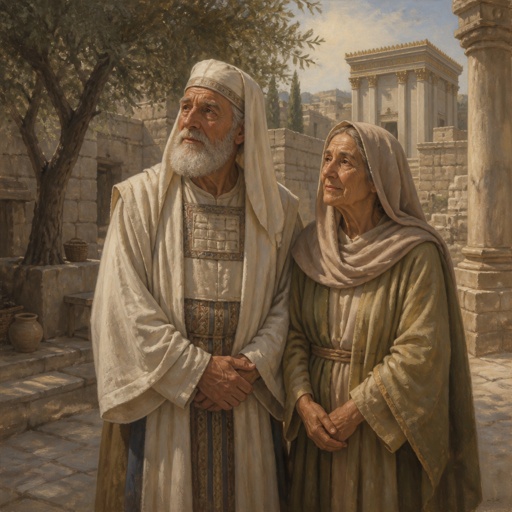
"¶ There was in the days of Herod, the king of Judaea, a certain priest named Zacharias, of the course of Abia: and his wife was of the daughters of Aaron, and her name was Elisabeth." - Luke 1:5

Luke 5:39

Luke 5:36

Luke 5:1-11

Luke 5:1-11

Luke 8:5-8

luke 21:5-19

luke 21:5-19 with all people of color

luke 21:5-19 with all people of color

luke 21:5-19 with all people of color

Luke 5:1 - "And it came to pass, that, as the people pressed upon him to hear the word of God, he stood by the lake of Gennesaret,"

luke 5:5

Luke 10:5

Luke 10:5

Luke 10:5

Luke 5:17-26

Luke 5:16 - "¶ And he withdrew himself into the wilderness, and prayed."

Luke 22:5 - "And they were glad, and covenanted to give him money."

Luke 5:32 - "I came not to call the righteous, but sinners to repentance."

Luke 5:28 - "And he left all, rose up, and followed him."

Luke 17:5 - "And the apostles said unto the Lord, Increase our faith."
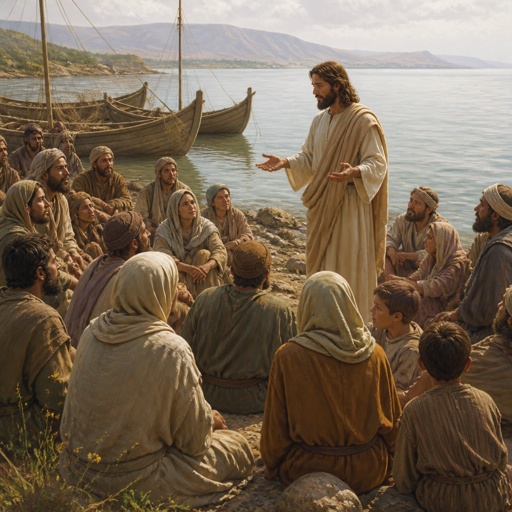
"And it came to pass, that, as the people pressed upon him to hear the word of God, he stood by the lake of Gennesaret," - Luke 5:1

Luke 2:5 - "To be taxed with Mary his espoused wife, being great with child."

Luke 10:5 - "And into whatsoever house ye enter, first say, Peace be to this house."

Luke 5:38 - "But new wine must be put into new bottles; and both are preserved."

Luke 15:5 - "And when he hath found it, he layeth it on his shoulders, rejoicing."

Luke 5:6 - "And when they had this done, they inclosed a great multitude of fishes: and their net brake."

Luke 5:11 - "And when they had brought their ships to land, they forsook all, and followed him."

Luke 5:31 - "And Jesus answering said unto them, They that are whole need not a physician; but they that are sick."