What does Luke 2:16 mean?
“And they came with haste, and found Mary, and Joseph, and the babe lying in a manger.” — Luke 2:16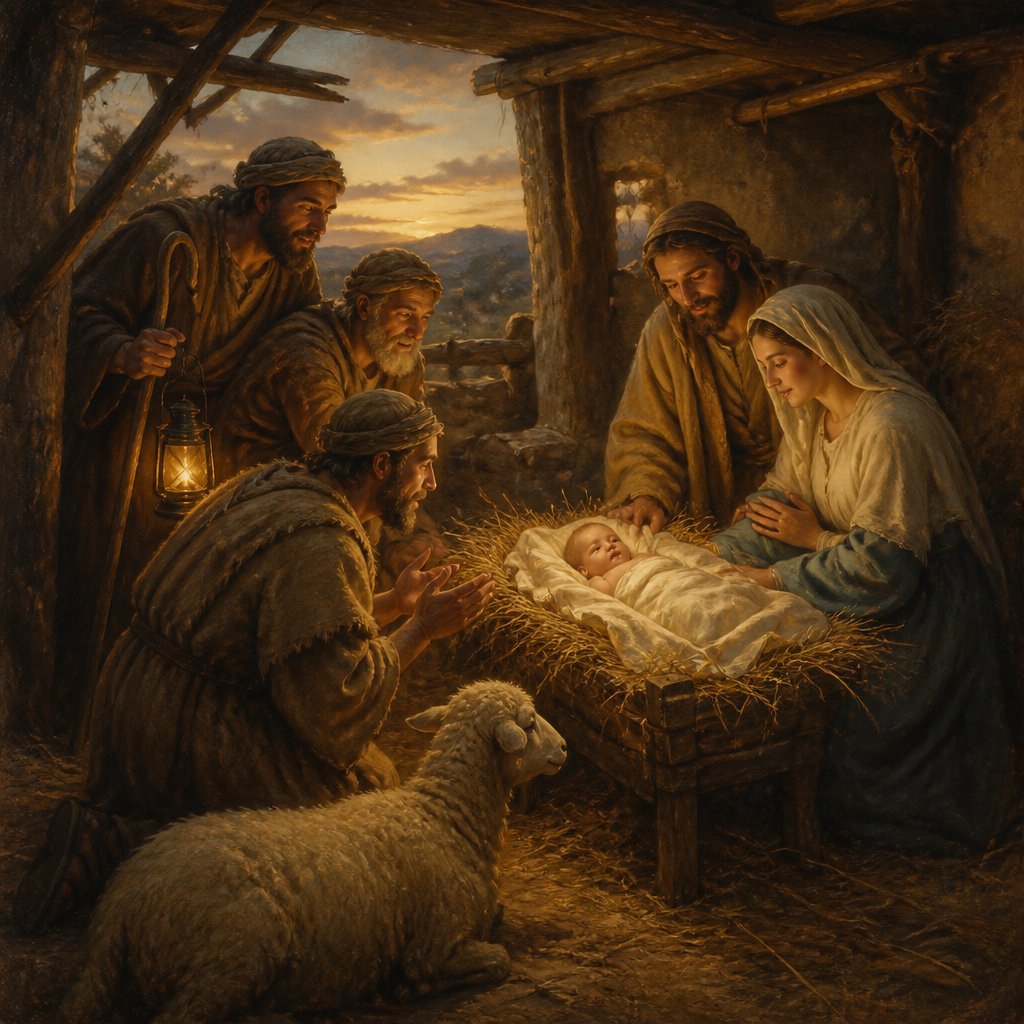
In the book of Luke, Chapter 2, Verse 16, the King James Version (KJV) of the Bible reads, "And they came with haste, and found Mary, and Joseph, and the babe lying in a manger."
This verse serves as a pivotal moment in the biblical narrative as it describes the immediate aftermath of the birth of Jesus Christ. The shepherds, having been visited by an angel and informed of the birth of the Messiah, hurried to find the Holy Family in Bethlehem. The sense of urgency in their actions conveys the overwhelming excitement and reverence they felt in response to the heavenly message they had received.
The act of finding Mary, Joseph, and the baby Jesus lying in a manger holds profound symbolic meaning. The humble and simple surroundings of Jesus' birth highlight the contrast between the earthly expectations of a powerful and mighty king and the actual nature of the Messiah's arrival. The manger, traditionally used to feed and provide sustenance to animals, represents the humility and selflessness of Jesus, who came not to rule with power and wealth but to serve and sacrifice for the salvation of humanity.
The significance of the shepherds as the first witnesses to the birth of Jesus is also noteworthy. In biblical times, shepherds occupied a lowly and marginalized position in society. By choosing to reveal the news of the Savior's birth to these humble individuals, God demonstrates His inclusive and compassionate nature, emphasizing that the message of hope and salvation is intended for all, regardless of social status or worldly success.
The verse also speaks to the broader themes of faith, obedience, and divine revelation. The shepherds' immediate and unwavering response to the angel's message reflects their deep faith and trust in God's plan. Their willingness to act on the angel's words without hesitation serves as a model of obedience to divine will.
Furthermore, the scene of the infant Jesus lying in a manger underscores the miraculous and divinely orchestrated nature of His birth. The fulfillment of ancient prophecies and the arrival of the long-awaited Messiah in such humble circumstances testify to the profound mystery and wonder of God's plan for the redemption of humanity.
The context of this verse within the larger narrative of the Nativity story extends beyond the immediate circumstances of Jesus' birth. It foreshadows the central message of Christ's ministry, which emphasizes humility, compassion, and the inclusive nature of God's love. The image of the baby Jesus in the manger serves as a powerful symbol of God's profound willingness to enter into the mess and brokenness of the world in order to bring forth healing, redemption, and reconciliation.
In conclusion, Luke 2:16 from the King James Version of the Bible captures a pivotal moment in the Nativity story with profound symbolism and themes of humility, faith, and divine revelation. The verse reminds believers of the transformative power of Christ's birth and the enduring significance of His message for all humanity.
Get our apps


Artwork for Luke 2:16

Luke 2:16 - 21

Luke 2:16 - "And they came with haste, and found Mary, and Joseph, and the babe lying in a manger."
"And they came with haste, and found Mary, and Joseph, and the babe lying in a manger." - Luke 2:16

Luke 16:2 - "And he called him, and said unto him, How is it that I hear this of thee? give an account of thy stewardship; for thou mayest be no longer steward."

Luke 8:16

luke 4:16

Luke 16:1-13

Luke 16:1-1313

Luke 16:22-26

Luke 16:1-13

Luke 16:1-13

Create a 16.9 image of the bible verse Luke 2:44

Luke 16:16 - "The law and the prophets were until John: since that time the kingdom of God is preached, and every man presseth into it."

Luke 5:16 - "¶ And he withdrew himself into the wilderness, and prayed."

Luke 24:16 - "But their eyes were holden that they should not know him."

Luke 23:16 - "I will therefore chastise him, and release him."

Luke 11:16 - "And others, tempting him, sought of him a sign from heaven."

Luke 1:16 - "And many of the children of Israel shall he turn to the Lord their God."

Luke 6:16 - "And Judas the brother of James, and Judas Iscariot, which also was the traitor."

Luke 16:17 - "And it is easier for heaven and earth to pass, than one tittle of the law to fail."

Luke 16:20 - "And there was a certain beggar named Lazarus, which was laid at his gate, full of sores,"

Luke 16:14 - "And the Pharisees also, who were covetous, heard all these things: and they derided him."

Luke 2:2

Luke 19:16 - "Then came the first, saying, Lord, thy pound hath gained ten pounds."

Luke 17:16 - "And fell down on his face at his feet, giving him thanks: and he was a Samaritan."

Luke 14:16 - "Then said he unto him, A certain man made a great supper, and bade many:"

Luke 16:29 - "Abraham saith unto him, They have Moses and the prophets; let them hear them."

"¶ And he withdrew himself into the wilderness, and prayed." - Luke 5:16

Luke 16:19 - "¶ There was a certain rich man, which was clothed in purple and fine linen, and fared sumptuously every day:"

Luke 16:30 - "And he said, Nay, father Abraham: but if one went unto them from the dead, they will repent."