What does Luke 2:42 mean?
“And when he was twelve years old, they went up to Jerusalem after the custom of the feast.” — Luke 2:42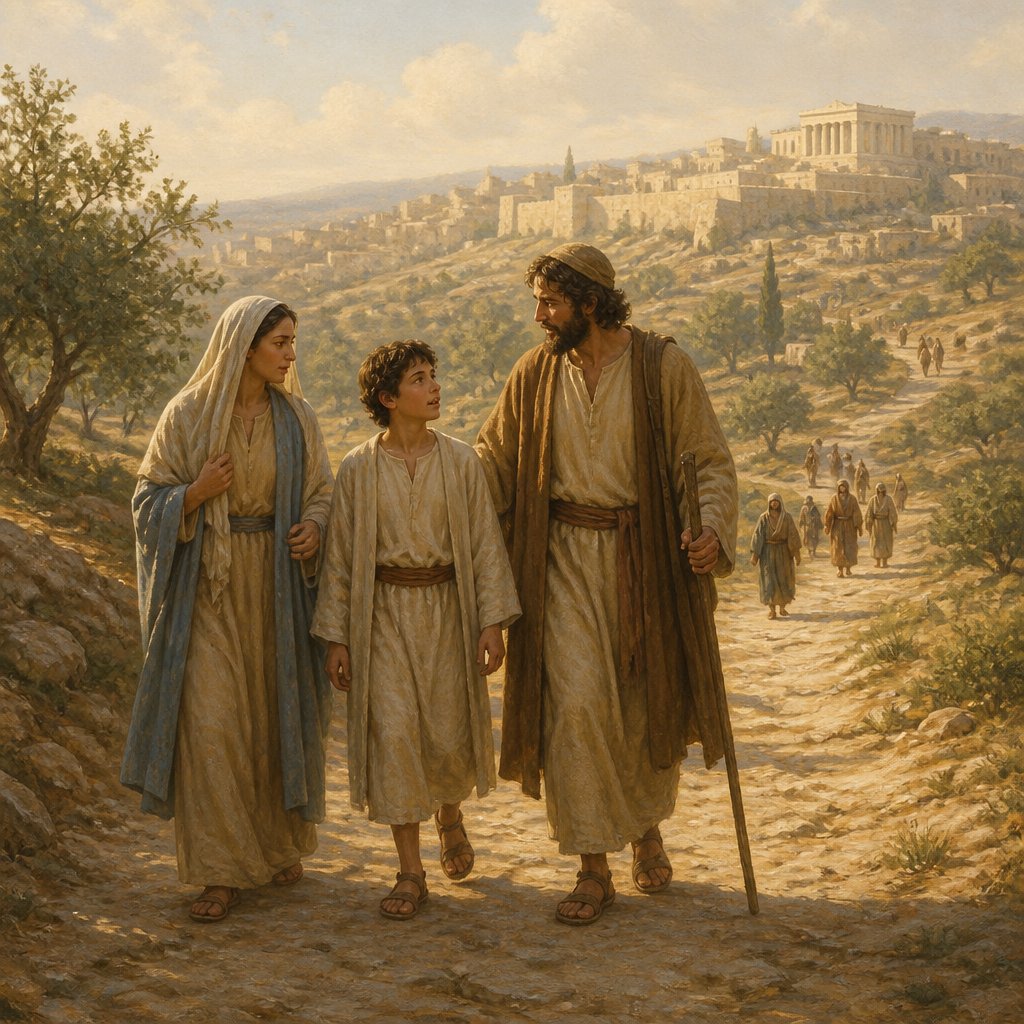
The verse Luke 2:42 in the King James Version of the Bible reads, "And when he was twelve years old, they went up to Jerusalem after the custom of the feast."
This verse is from the Gospel of Luke, which is one of the four canonical gospels in the New Testament. It is the third book in the New Testament and is attributed to Luke, the physician and companion of the apostle Paul. The Gospel of Luke is known for its detailed and scholarly approach, and it is often referred to as the "Gospel of Mercy."
Luke 2:42 is part of the infancy narrative of Jesus, and it describes an event in the life of Jesus when he was twelve years old. The verse sets the stage for the story of Jesus visiting the temple in Jerusalem with his parents, Joseph and Mary, during the Feast of the Passover. It highlights the Jewish upbringing and religious customs of Jesus and his family.
The context of this verse is significant as it emphasizes the religious upbringing and tradition of Jesus. The Feast of the Passover was one of the most important festivals in the Jewish religious calendar, and it commemorated the liberation of the Israelites from slavery in Egypt. It was a time for the Jewish people to come together in Jerusalem to offer sacrifices and participate in communal celebrations. By going up to Jerusalem for the feast, Jesus and his family were fulfilling their religious duty and participating in the traditions of their faith.
The significance of Jesus being twelve years old is also noteworthy. In Jewish tradition, twelve was the age at which a boy became a "son of the commandment" and was considered responsible for observing the religious precepts and laws. This event marks a crucial transition in Jesus' life as he enters into greater religious and moral responsibility.
The symbolism in this verse is multi-layered. On one level, it highlights the humanity of Jesus and his connection to his Jewish heritage. By participating in the customs of the feast, Jesus is shown to be fully immersed in the religious and cultural practices of his community. This emphasizes the incarnational aspect of Jesus, as he is both fully divine and fully human.
Furthermore, this verse foreshadows Jesus' future ministry and mission. It sets the stage for his later teachings and actions in the temple, as well as his role as the ultimate Passover sacrifice. The connection to the Passover feast is significant, as Jesus becomes the sacrificial lamb whose death brings liberation and redemption to humanity.
In terms of themes, Luke 2:42 highlights the themes of obedience, tradition, and identity. Jesus' obedience to his parents and his commitment to fulfilling religious customs underscore the importance of honoring and upholding tradition. It also emphasizes the significance of Jesus' Jewish identity and upbringing, which has profound implications for his later teachings and the development of Christian theology.
In conclusion, Luke 2:42 is a pivotal verse in the Gospel of Luke that sets the stage for Jesus' religious and spiritual identity. It provides insight into his upbringing, his connection to Jewish tradition, and foreshadows his future role as the ultimate Passover sacrifice. The verse carries rich symbolism and themes that continue to resonate with believers and scholars, emphasizing the deep significance of Jesus' life and ministry.
Get our apps


Artwork for Luke 2:42

Luke 2:42 - "And when he was twelve years old, they went up to Jerusalem after the custom of the feast."
"And when he was twelve years old, they went up to Jerusalem after the custom of the feast." - Luke 2:42
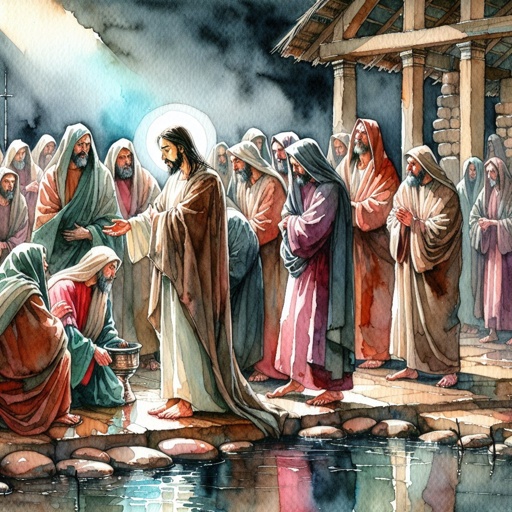
luke 22:42

Luke 22:42

Luke 24:42

luke 22:42

Luke 24:42 - "And they gave him a piece of a broiled fish, and of an honeycomb."

Luke 18:42 - "And Jesus said unto him, Receive thy sight: thy faith hath saved thee."

Luke 22:42 - "Saying, Father, if thou be willing, remove this cup from me: nevertheless not my will, but thine, be done."

Luke 23:42 - "And he said unto Jesus, Lord, remember me when thou comest into thy kingdom."

Luke 10:42 - "But one thing is needful: and Mary hath chosen that good part, which shall not be taken away from her."
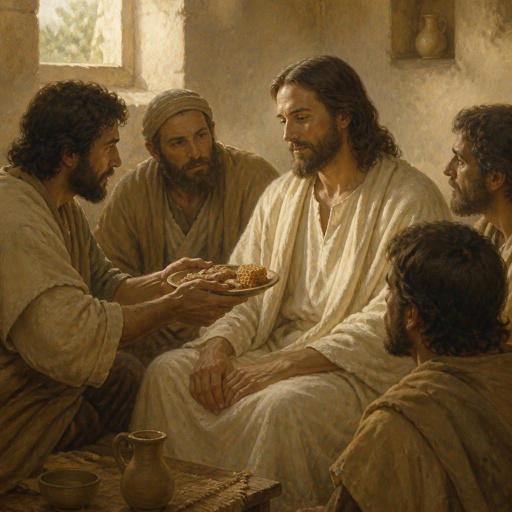
"And they gave him a piece of a broiled fish, and of an honeycomb." - Luke 24:42

Luke 1:42 - "And she spake out with a loud voice, and said, Blessed art thou among women, and blessed is the fruit of thy womb."

Luke 20:42 - "And David himself saith in the book of Psalms, The LORD said unto my Lord, Sit thou on my right hand,"

Luke 7:42 - "And when they had nothing to pay, he frankly forgave them both. Tell me therefore, which of them will love him most?"
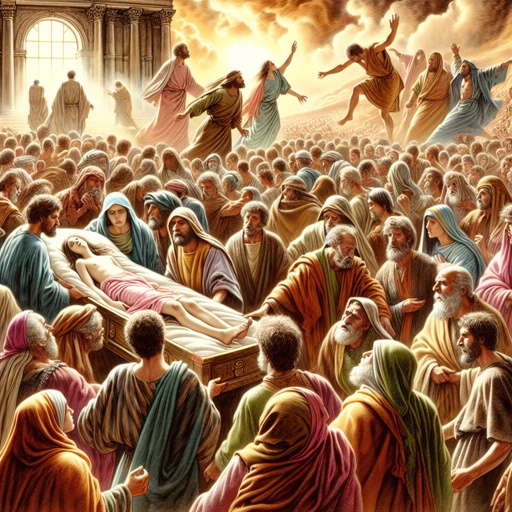
Luke 8:42 - "For he had one only daughter, about twelve years of age, and she lay a dying. But as he went the people thronged him."

Acts 2:41-42

Acts 2:41-42

Acts 2:41-42

Acts 2:41-42

Acts 2:41-42

Acts 2:41-42

Acts 2:41-42

Acts 2:41-42

Acts 2:41-42

Acts 2:41-42

Acts 2:41-42

Acts 2:41-42

Acts 2:41-42

Genesis 42:1-2