What does Luke 2:6 mean?
“And so it was, that, while they were there, the days were accomplished that she should be delivered.” — Luke 2:6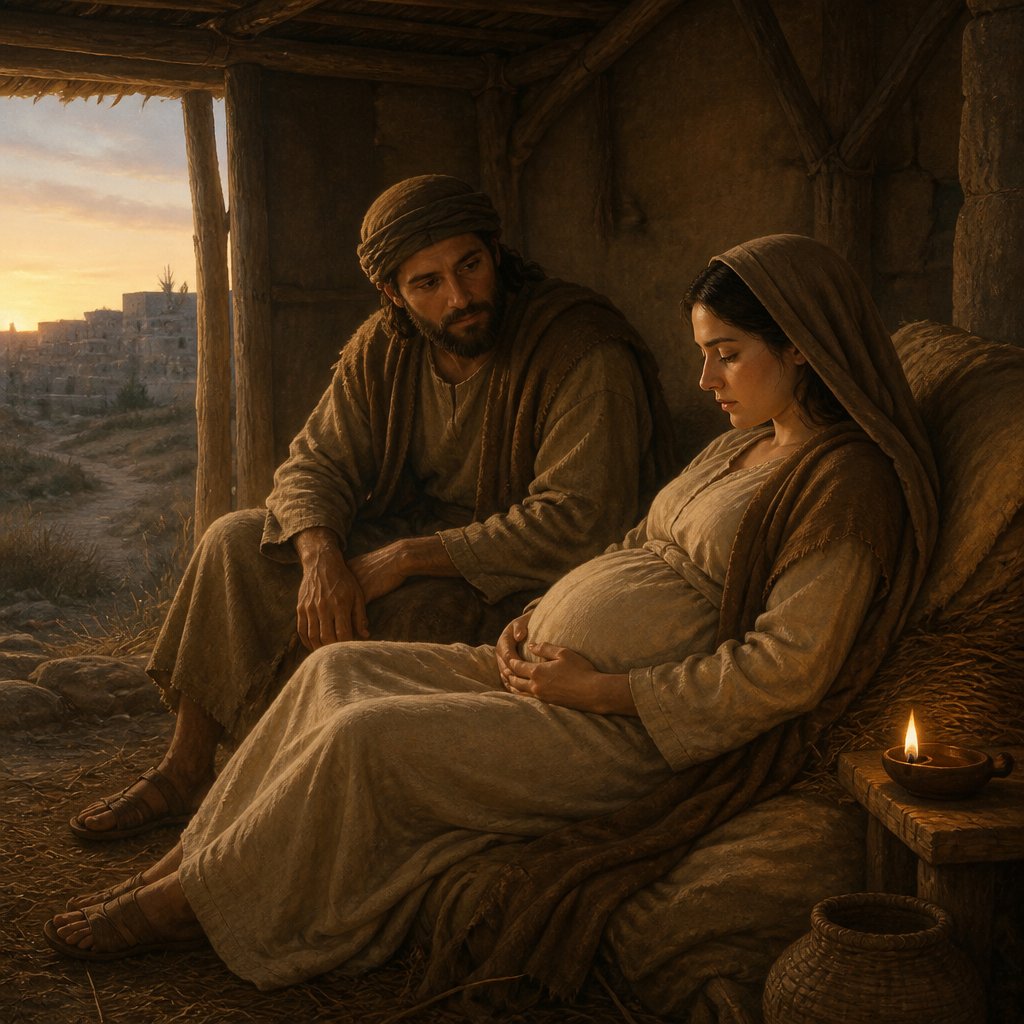
Luke 2:6 (KJV): And so it was, that, while they were there, the days were accomplished that she should be delivered.
Luke 2:6 is part of the nativity narrative in the Gospel of Luke, recounting the birth of Jesus Christ, the central figure of Christianity. This particular verse, in the King James Version, is a simple and direct statement, yet it holds great significance in the larger context of the birth of Jesus.
The verse begins by setting the scene of the event, stating, "And so it was, that, while they were there." This refers to Mary and Joseph, who were in Bethlehem at the time. They had traveled to the city because of a census that was being conducted by the Roman government, as ordered by Caesar Augustus. This census required each person to return to their ancestral home, which is why Mary and Joseph, both being descendants of the house of David, had to journey to Bethlehem. This fulfillment of prophecy is a recurring theme throughout the Gospel of Luke, emphasizing Jesus's divine origins and the fulfillment of Old Testament prophecy.
The verse continues, "the days were accomplished that she should be delivered." Here, the focus shifts to Mary, who was near the end of her pregnancy. The language used here conveys a sense of inevitability and fulfillment, indicating that the time had come for her to give birth to Jesus. This draws parallels to Old Testament prophecies, such as Isaiah 7:14, which foretold the virgin birth of a Messiah. The language in Luke 2:6 reflects the idea that this was a predetermined moment in the grand plan of God.
Overall, Luke 2:6 sets the stage for the miraculous events that are about to unfold - the birth of Jesus in humble circumstances, yet with profound implications for the world. From a contextual standpoint, this verse serves as a pivotal moment in the larger story of Jesus's birth, emphasizing the divine orchestration behind the events and the fulfillment of prophecy.
One of the central themes in this verse is the idea of divine timing and fulfillment. The phrase "the days were accomplished" conveys the notion that the birth of Jesus was not a random or unexpected event, but rather a fulfillment of God's plan. This theme of divine providence runs throughout the Gospel of Luke, as the author emphasizes the meticulous fulfillment of Old Testament prophecies and the divine orchestration behind Jesus's birth, life, and ultimately, his death and resurrection.
Another key theme in this verse is the humble and ordinary nature of Jesus's birth. The fact that Mary and Joseph were in Bethlehem for a census, and the use of the phrase "while they were there," underscores the unassuming and mundane circumstances surrounding Jesus's arrival. This theme of humility and simplicity is a recurring motif in the Gospel of Luke, where Jesus is often portrayed as identifying with the marginalized and the lowly. His birth in a manger, surrounded by shepherds and animals, highlights the contrast between the earthly perception of power and the divine manifestation of it.
Symbolism also plays a significant role in Luke 2:6. The use of the phrase "the days were accomplished" suggests a sense of fulfillment and completion. This imagery of fulfillment conveys the idea that Jesus's birth represents the fulfillment of God's promises and the culmination of centuries of anticipation. Additionally, the specific location of Bethlehem holds symbolic significance, as it was the birthplace of King David, from whose lineage the Messiah was prophesied to come. This symbolism reinforces the idea of Jesus as the long-awaited fulfillment of Old Testament promises and the rightful heir to the throne of David.
In conclusion, Luke 2:6, in the King James Version, captures a crucial moment in the nativity narrative, signaling the imminent arrival of Jesus Christ. The verse conveys themes of divine timing, humility, and fulfillment, while also incorporating symbolic elements that underscore the prophetic significance of Jesus's birth. This verse serves as a powerful reminder of the miraculous and profound nature of Jesus's arrival, as well as the divine plan at work in his birth.
Get our apps


Artwork for Luke 2:6

Luke 2:6 - "And so it was, that, while they were there, the days were accomplished that she should be delivered."
"And so it was, that, while they were there, the days were accomplished that she should be delivered." - Luke 2:6
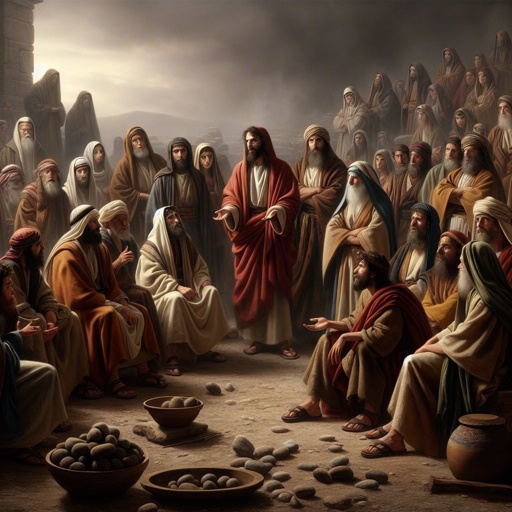
Luke 6:2 - "And certain of the Pharisees said unto them, Why do ye that which is not lawful to do on the sabbath days?"

Luke 6

luke 6:30

luke 6: 27

Luke 6: 27-38

Luke 6:21-26

Luke 13:6-9

Luke 3:1-6

Luke 3:1-6

Luke 6:27-38

Luke 6:21-26

luke 3:1-6

Luke 14:6 - "And they could not answer him again to these things."

Luke 6:6 - "And it came to pass also on another sabbath, that he entered into the synagogue and taught: and there was a man whose right hand was withered."
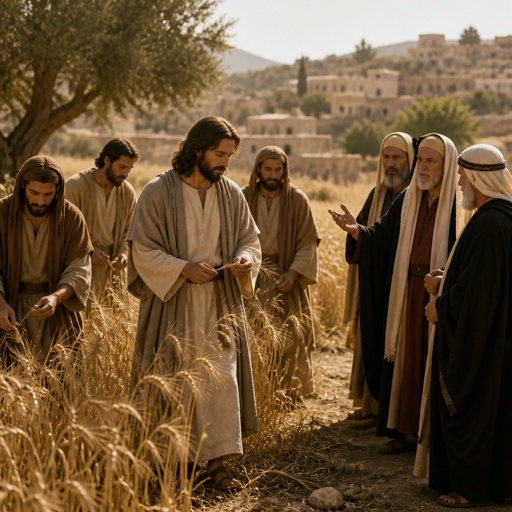
"And certain of the Pharisees said unto them, Why do ye that which is not lawful to do on the sabbath days?" - Luke 6:2
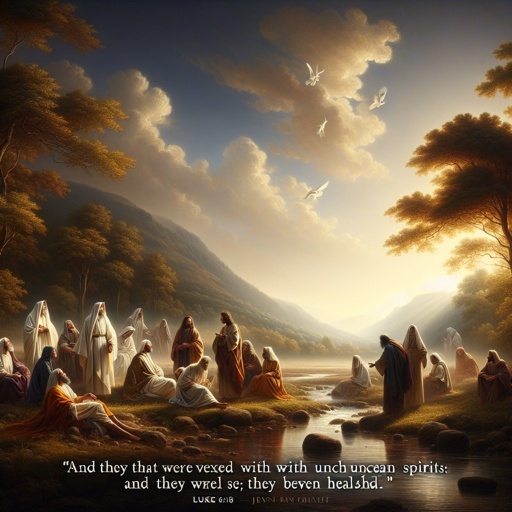
Luke 6:18 - "And they that were vexed with unclean spirits: and they were healed."

Luke 3:6 - "And all flesh shall see the salvation of God."

Luke 2:2

Luke 18:6 - "And the Lord said, Hear what the unjust judge saith."

Luke 6:36 - "Be ye therefore merciful, as your Father also is merciful."

Luke 6:38 Give, and it will be given to you

Luke 6:15 - "Matthew and Thomas, James the son of Alphaeus, and Simon called Zelotes,"

Luke 6:16 - "And Judas the brother of James, and Judas Iscariot, which also was the traitor."

Luke 19:6 - "And he made haste, and came down, and received him joyfully."

Luke 9:6 - "And they departed, and went through the towns, preaching the gospel, and healing every where."

Luke 6:24 - "But woe unto you that are rich! for ye have received your consolation."

Luke 5:6 - "And when they had this done, they inclosed a great multitude of fishes: and their net brake."

Luke 6:5 - "And he said unto them, That the Son of man is Lord also of the sabbath."