What does Luke 21:37 mean?
“And in the day time he was teaching in the temple; and at night he went out, and abode in the mount that is called the mount of Olives.” — Luke 21:37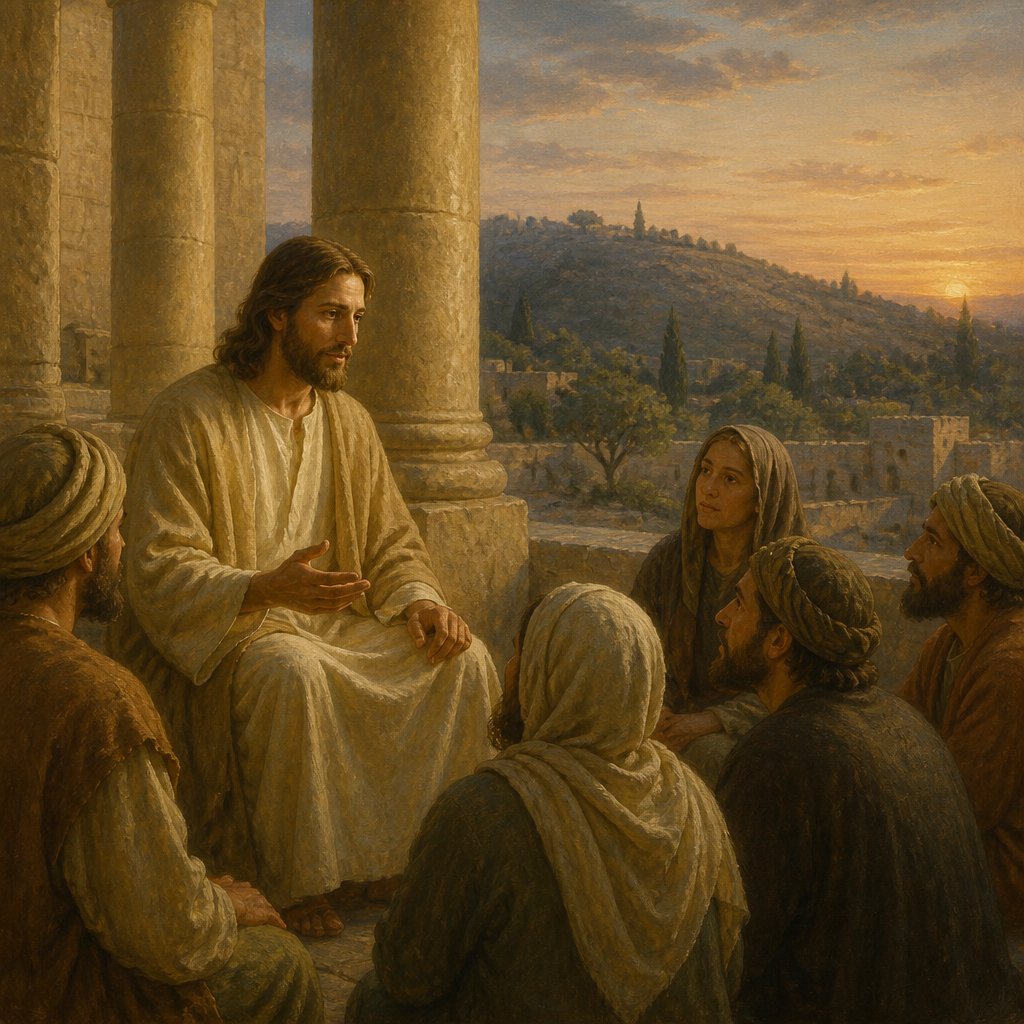
The verse Luke 21:37 from the King James Version of the Bible states, "And in the day time he was teaching in the temple; and at night he went out, and abode in the mount that is called the mount of Olives."
This verse is part of the larger passage in the Gospel of Luke that describes Jesus' teachings and actions during the final days of his earthly ministry. It provides insight into Jesus' dedication to spreading the message of the kingdom of God and the sacrifices he made in order to do so.
The verse begins with the phrase, "And in the day time he was teaching in the temple," which highlights Jesus' commitment to sharing his message with those who were willing to listen. This emphasizes the importance of teaching and sharing the word of God, even in the face of opposition and hostility. Despite the challenges and persecution he faced, Jesus continued to preach in the temple, demonstrating his unwavering dedication to his mission.
The verse goes on to say, "and at night he went out, and abode in the mount that is called the mount of Olives." This part of the verse reveals that Jesus spent his nights in prayer and solitude on the Mount of Olives. This act of retreat and communion with God reflects Jesus' reliance on prayer and his need for spiritual renewal and connection with God the Father. It also serves as an example for believers to prioritize prayer and intimacy with God, especially in times of difficulty and adversity.
The Mount of Olives holds significant symbolic meaning in the Bible, particularly in the context of Jesus' final days before his crucifixion. It was a place of spiritual significance and a location where Jesus frequently retreated for prayer and fellowship with his disciples. The Mount of Olives also holds a prophetic significance, as it is the place from which Jesus ascended into heaven after his resurrection, and it is believed to be the location of his return at the end of time.
In addition to its symbolic significance, the Mount of Olives also holds a historical and geographic importance. It is located just east of Jerusalem and offered a panoramic view of the city, making it an ideal location for solitude and contemplation. This geographical context adds depth to the verse, as it paints a vivid picture of Jesus' nightly retreats to the mountaintop, emphasizing the importance of finding quiet and sacred spaces for prayer and reflection.
Overall, Luke 21:37 captures the essence of Jesus' commitment to his ministry, his dedication to teaching and preaching the word of God, and his reliance on prayer and spiritual communion with the Father. It also serves as a reminder for believers to prioritize teaching and sharing the gospel, as well as seeking intimate communion with God through prayer and meditation. The verse's rich historical, geographical, and symbolic context adds layers of depth and complexity to its meaning, making it a poignant and relevant passage for Christians seeking guidance and inspiration in their faith journey.
Get our apps


Artwork for Luke 21:37

Luke 21:37 - "And in the day time he was teaching in the temple; and at night he went out, and abode in the mount that is called the mount of Olives."

Luke 21:37 - "And in the day time he was teaching in the temple; and at night he went out, and abode in the mount that is called the mount of Olives."
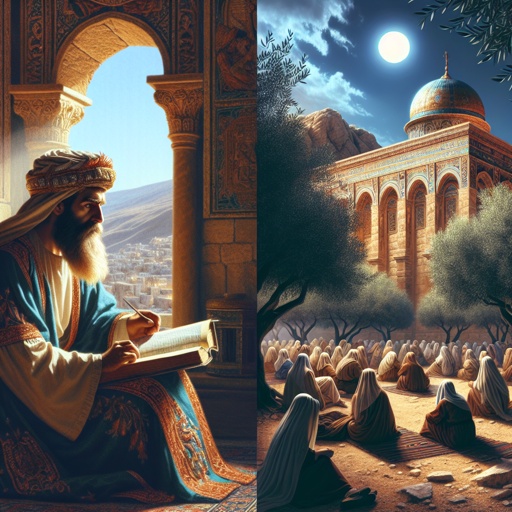
Luke 21:37 - "And in the day time he was teaching in the temple; and at night he went out, and abode in the mount that is called the mount of Olives."
"And in the day time he was teaching in the temple; and at night he went out, and abode in the mount that is called the mount of Olives." - Luke 21:37

Luke 2:37

Luke 2:37

Luke 2:37

Luke 2:37

Luke 2:37

Luke (1:37) For nothing will be impossible with God.”

Luke (1:37) For nothing will be impossible with God.”

Luke (1:37) For nothing will be impossible with God.”

Luke (1:37) For nothing will be impossible with God.”

Luke (1:37) For nothing will be impossible with God.”

Luke (1:37) For nothing will be impossible with God.”

Luke (1:37) For nothing will be impossible with God.”

Luke (1:37) For nothing will be impossible with God.”

Luke (1:37) For nothing will be impossible with God.”

Luke (1:37) For nothing will be impossible with God.”

Luke (1:37) For nothing will be impossible with God.”

Luke (1:37) For nothing will be impossible with God.”

Luke (1:37) For nothing will be impossible with God.”

Luke (1:37) For nothing will be impossible with God.”

Luke (1:37) For nothing will be impossible with God.”

Luke (1:37) For nothing will be impossible with God.”

Luke (1:37) For nothing will be impossible with God.”

Luke (1:37) For nothing will be impossible with God.”

Luke (1:37) For nothing will be impossible with God.”

Luke (1:37) For nothing will be impossible with God.”

Luke (1:37) For nothing will be impossible with God.”