What does Luke 22:1 mean?
“Now the feast of unleavened bread drew nigh, which is called the Passover.” — Luke 22:1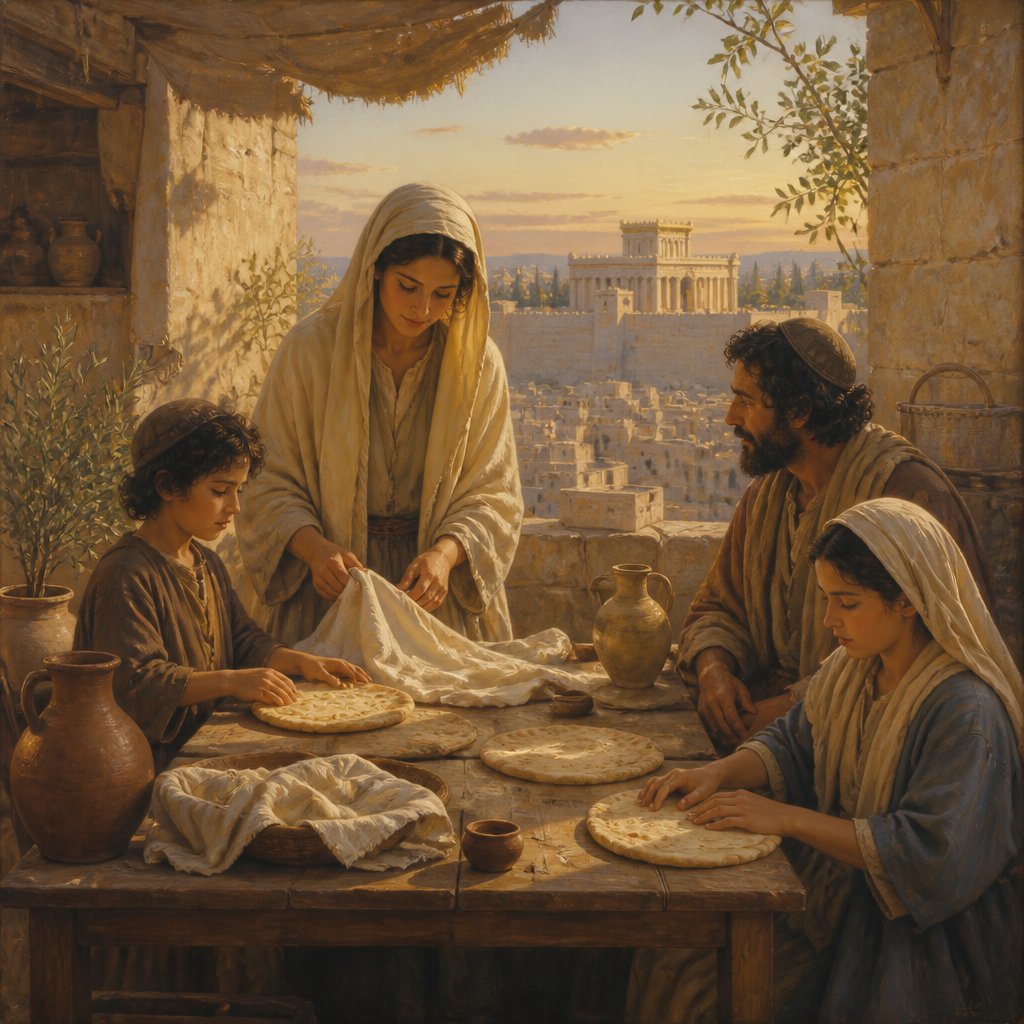
The Bible verse Luke 22:1 in the King James Version states, "Now the feast of unleavened bread drew nigh, which is called the Passover." This verse is part of the larger narrative of the Gospel of Luke, which tells the story of Jesus Christ and his ministry on earth. This particular verse takes place during the final days of Jesus' life, as he prepares to celebrate the Passover with his disciples.
The context of this verse is important for understanding its meaning. The feast of unleavened bread and the Passover were significant events in the Jewish calendar, commemorating the Israelites' liberation from slavery in Egypt. According to the Old Testament, the Lord commanded the Israelites to observe the Passover by sacrificing a lamb and eating unleavened bread as a sign of their faith and obedience. This tradition was a central part of Jewish identity and faith, and it held deep spiritual and cultural significance for the people of Israel.
In the Gospel of Luke, the mention of the feast of unleavened bread and the Passover serves as a reminder of the historical and religious context in which Jesus lived and ministered. It also sets the stage for the events that follow, including the Last Supper and the crucifixion, which are central to the Christian faith.
In terms of thematic significance, this verse points to the fulfillment of Old Testament prophecies and the establishment of the new covenant in Christ. Throughout the Gospel of Luke, Jesus is portrayed as the fulfillment of the Old Testament promises and as the Savior who brings salvation to all people. The Passover itself was a foreshadowing of the ultimate sacrifice of Christ on the cross, and by celebrating the Passover, Jesus signals the fulfillment of this redemptive plan.
Furthermore, the mention of the feast of unleavened bread and the Passover underscores the themes of redemption, sacrifice, and deliverance that run through the entire Bible. The Passover was a time of remembrance and thanksgiving for the Israelites, as they recalled God's faithfulness and deliverance from bondage. In a similar way, the Christian celebration of the Eucharist, or Holy Communion, is a remembrance of Christ's sacrifice and a means of receiving the spiritual nourishment and grace he offers.
Symbolically, the feast of unleavened bread and the Passover represent the purity and freedom that come through faith in God. Leaven, or yeast, was a symbol of impurity and corruption in Jewish culture, and the removal of leaven from the bread served as a reminder of the need for spiritual cleansing and purity. Similarly, the Passover lamb was a symbol of sacrifice and substitution, pointing to the atoning work of Christ on the cross.
In conclusion, Luke 22:1 offers a rich and multifaceted insight into the historical, spiritual, and theological significance of the feast of unleavened bread and the Passover. It serves as a reminder of God's faithfulness and redemption, and it points to the ultimate fulfillment of these promises in the person of Jesus Christ. This verse is an integral part of the larger narrative of salvation history and serves as a foundation for understanding the life, death, and resurrection of Jesus and the establishment of the new covenant in his blood.
Get our apps


Artwork for Luke 22:1

Luke 22:1 - "Now the feast of unleavened bread drew nigh, which is called the Passover."
"Now the feast of unleavened bread drew nigh, which is called the Passover." - Luke 22:1
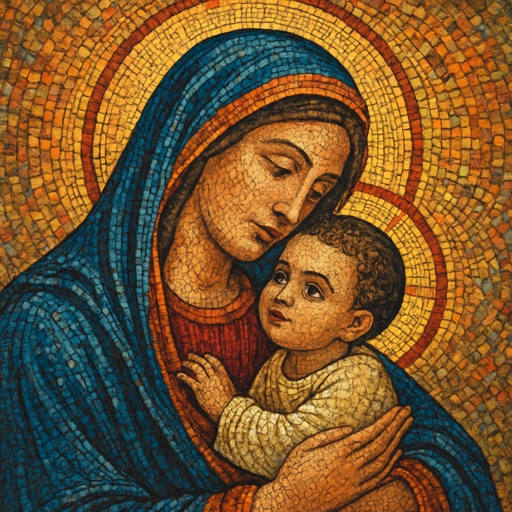
Luke 2:22, which features a Middle Eastern mother holding a Middle Eastern baby boy.

luke 22:42

Luke 22:39

Luke 22:61,62

Luke 22:39

luke 22 44
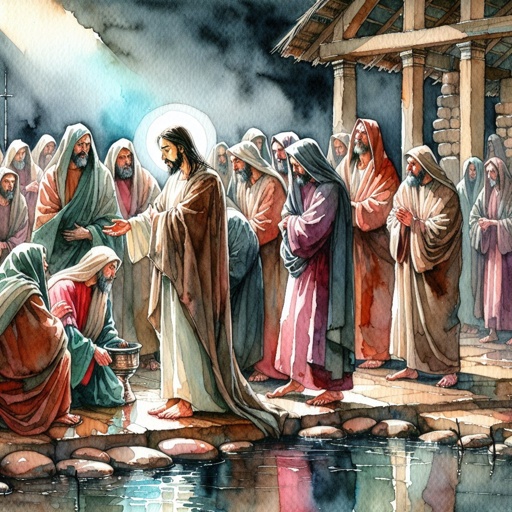
luke 22:42

Luke 22:42
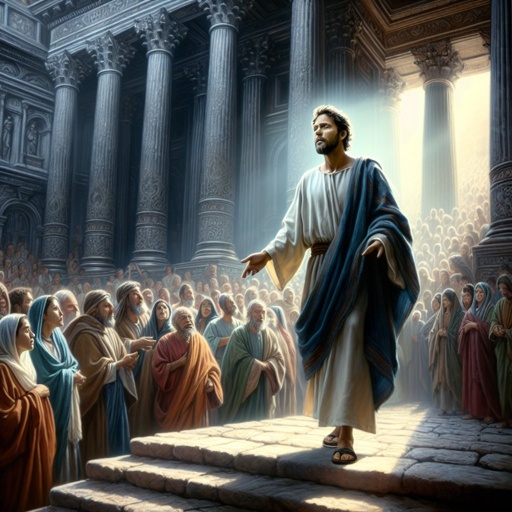
Luke 1:22 - "And when he came out, he could not speak unto them: and they perceived that he had seen a vision in the temple: for he beckoned unto them, and remained speechless."

Luke 16:22-26

Luke 22:62 - "And Peter went out, and wept bitterly."

Luke 20:22 - "Is it lawful for us to give tribute unto Caesar, or no?"

Luke 22:5 - "And they were glad, and covenanted to give him money."

Luke 22:28 - "Ye are they which have continued with me in my temptations."

Luke 22:65 - "And many other things blasphemously spake they against him."

Luke 22:63 - "¶ And the men that held Jesus mocked him, and smote him."

Luke 22:31-32 - "Luke 22:31-32: And the Lord said, Simon, Simon, behold, Satan hath desired to have you, that he may sift you as wheat: But I have prayed for thee, that thy faith fail not: and when thou art converted, strengthen thy brethren."

Luke 22:21 - "¶ But, behold, the hand of him that betrayeth me is with me on the table."
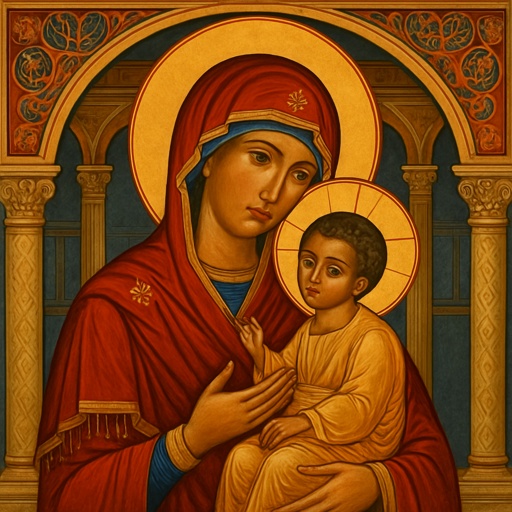
Luke 2:22, which features Mary with Middle Eastern mother holding Jesus a Middle Eastern baby boy inside a first century temple.

Luke 22:43 - "And there appeared an angel unto him from heaven, strengthening him."

Luke 22:3 - "¶ Then entered Satan into Judas surnamed Iscariot, being of the number of the twelve."

Luke 22:57 - "And he denied him, saying, Woman, I know him not."

Luke 22:7 - "¶ Then came the day of unleavened bread, when the passover must be killed."

Luke 21:22 - "For these be the days of vengeance, that all things which are written may be fulfilled."

Luke 22:9 - "And they said unto him, Where wilt thou that we prepare?"
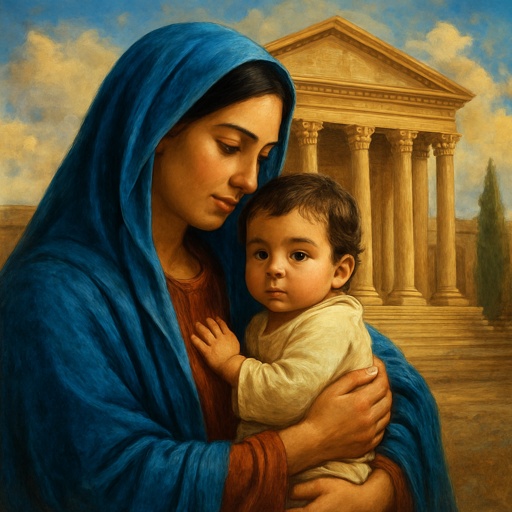
Luke 2:22, which features Mary with Middle Eastern mother holding Jesus a Middle Eastern baby boy in front of a first century temple.
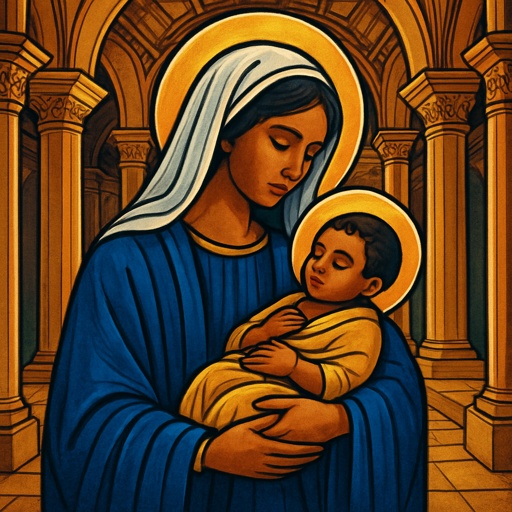
Luke 2:22, which features Mary with Middle Eastern mother holding Jesus a Middle Eastern baby boy inside a first century temple.

Luke 22:24 - "¶ And there was also a strife among them, which of them should be accounted the greatest."