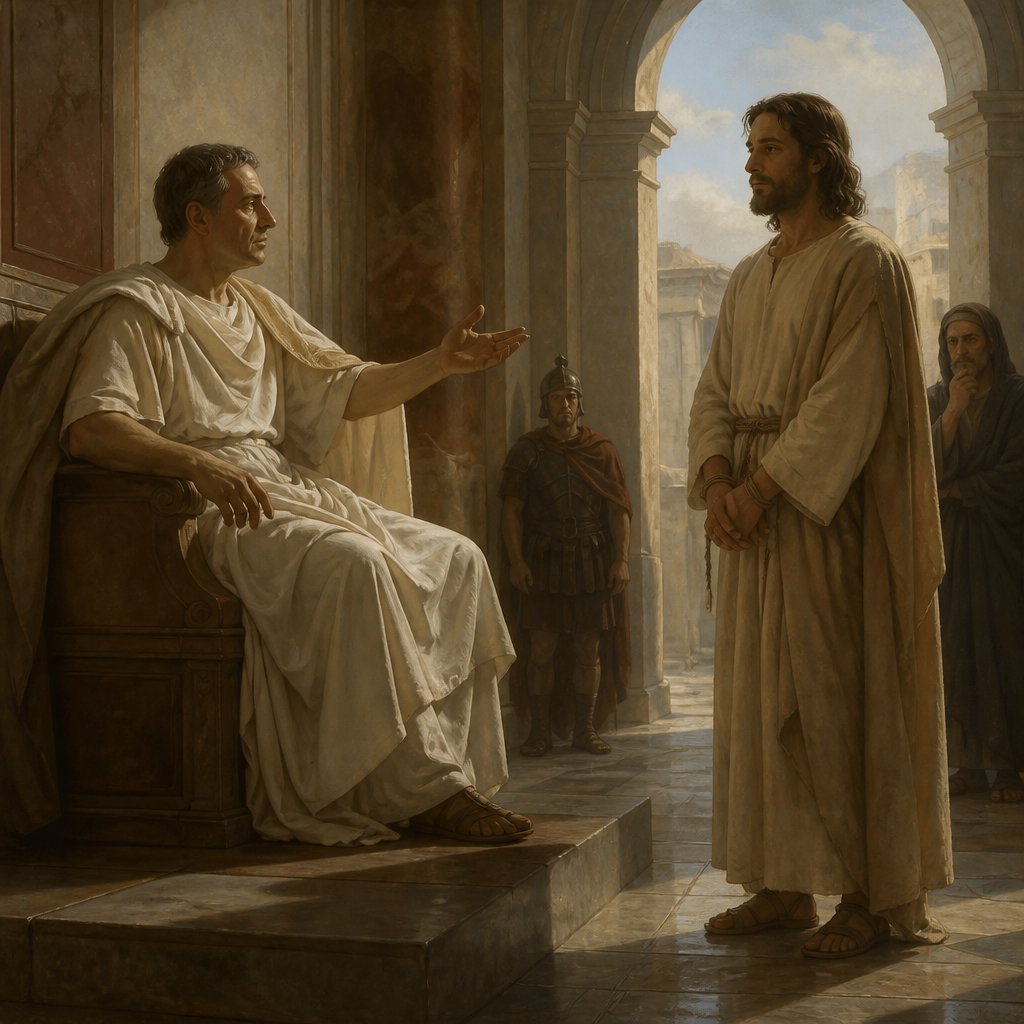
The verse Luke 23:16 in the King James Version (KJV) of the Bible reads, "I will therefore chastise him, and release him." This verse is part of the narrative of Jesus' trial and crucifixion, and it reflects the decision of Pontius Pilate, the Roman governor, in dealing with Jesus. The verse is part of a larger passage that describes how Pilate found no fault in Jesus, yet succumbed to the pressure of the religious leaders and the crowd to have Jesus crucified.
The context of this verse is crucial to understanding its significance. Jesus has been brought before Pilate by the religious leaders, who seek to have him condemned to death. Pilate, however, finds no basis for the charges against Jesus and is hesitant to sentence him to death. The verse comes at a point in the narrative where Pilate is trying to appease the crowd by offering to release Jesus after chastising him.
The themes in this verse are numerous and profound. One of the primary themes is the injustice that Jesus faces at the hands of Pilate and the religious leaders. Despite being innocent, Jesus is still subjected to punishment, reflecting the broader theme of the unjust suffering of the innocent. This theme is a central aspect of Christian theology, as it underscores the notion of Jesus taking on the sins of humanity and suffering on their behalf.
Another theme in this verse is that of power and authority. Pilate, as the representative of the Roman Empire, holds significant power, yet he is portrayed as being weak and indecisive in the face of the crowd's demands. This reflects the tension between earthly power and divine authority, as well as the idea that true strength comes from upholding justice and righteousness, rather than succumbing to the will of the crowd.
The symbolism in this verse is also rich and layered. The act of chastising Jesus before releasing him carries profound symbolic weight. It foreshadows the physical and emotional suffering that Jesus will endure on the cross, and serves as a powerful reminder of the unjust treatment he receives at the hands of those in authority. Moreover, the act of releasing Jesus, only after he has been chastised, serves as a parallel to the concept of the Paschal lamb in Jewish tradition, which was sacrificed for the atonement of sins. Jesus, in this context, is being figuratively "chastised" as the ultimate sacrificial lamb, whose death will bring about redemption and forgiveness for humanity.
Furthermore, the verse speaks to the larger theological concept of atonement and redemption. Jesus' willingness to endure suffering and ultimately give his life for the salvation of humanity is a central tenet of Christian faith. The verse reflects the idea that through Jesus' sacrificial death, humanity is released from the bondage of sin and death, and granted the opportunity for eternal life.
In conclusion, Luke 23:16 in the King James Version of the Bible is a verse that carries significant weight and meaning within the broader narrative of Jesus' trial and crucifixion. It speaks to themes of injustice, power, atonement, and redemption, and is rich in symbolism that underscores the profound theological implications of Jesus' suffering and death. As such, this verse serves as a powerful reminder of the central tenets of Christian faith and the transformative power of Jesus' sacrifice.
Get our apps


Artwork for Luke 23:16

Luke 23:16 - "I will therefore chastise him, and release him."
"I will therefore chastise him, and release him." - Luke 23:16

Luke 16:23 - "And in hell he lift up his eyes, being in torments, and seeth Abraham afar off, and Lazarus in his bosom."

Luke 23:53

Luke 19:23

luke 11:23

Luke 19:23

luke 11:23
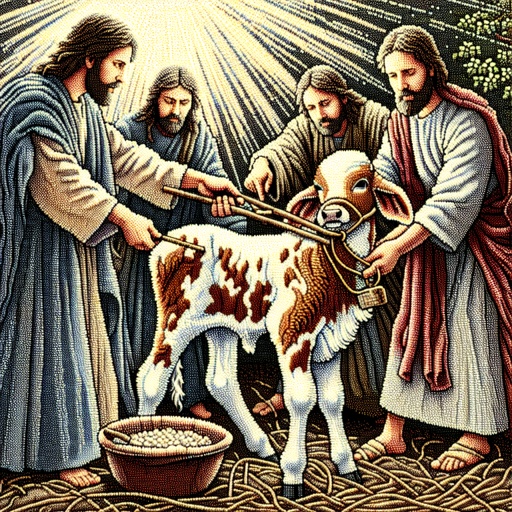
Luke 15:23

luke 11:23

luke 11:23
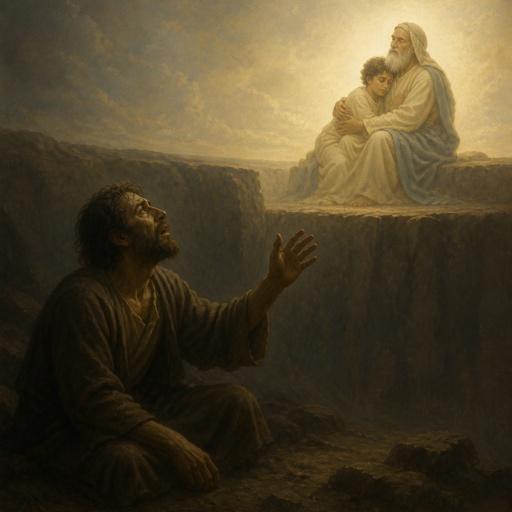
"And in hell he lift up his eyes, being in torments, and seeth Abraham afar off, and Lazarus in his bosom." - Luke 16:23

Luke 23:54 - "And that day was the preparation, and the sabbath drew on."

Luke 23:23 - "And they were instant with loud voices, requiring that he might be crucified. And the voices of them and of the chief priests prevailed."

Luke 23:24 - "And Pilate gave sentence that it should be as they required."

Luke 8:16

luke 4:16

Genesis 23-16

Luke 23:45 - "And the sun was darkened, and the veil of the temple was rent in the midst."

Luke 7:23 - "And blessed is he, whosoever shall not be offended in me."

Luke 23:21 - "But they cried, saying, Crucify him, crucify him."

Luke 23:37 - "And saying, If thou be the king of the Jews, save thyself."

Luke 16:1-13

Luke 23:10 - "And the chief priests and scribes stood and vehemently accused him."

Luke 16:1-1313

Luke 16:22-26

Luke 16:1-13

Luke 16:1-13

Luke 2:16 - 21

Luke 23:52 - "This man went unto Pilate, and begged the body of Jesus."