What does Luke 3:33 mean?
“Which was the son of Aminadab, which was the son of Aram, which was the son of Esrom, which was the son of Phares, which was the son of Juda,” — Luke 3:33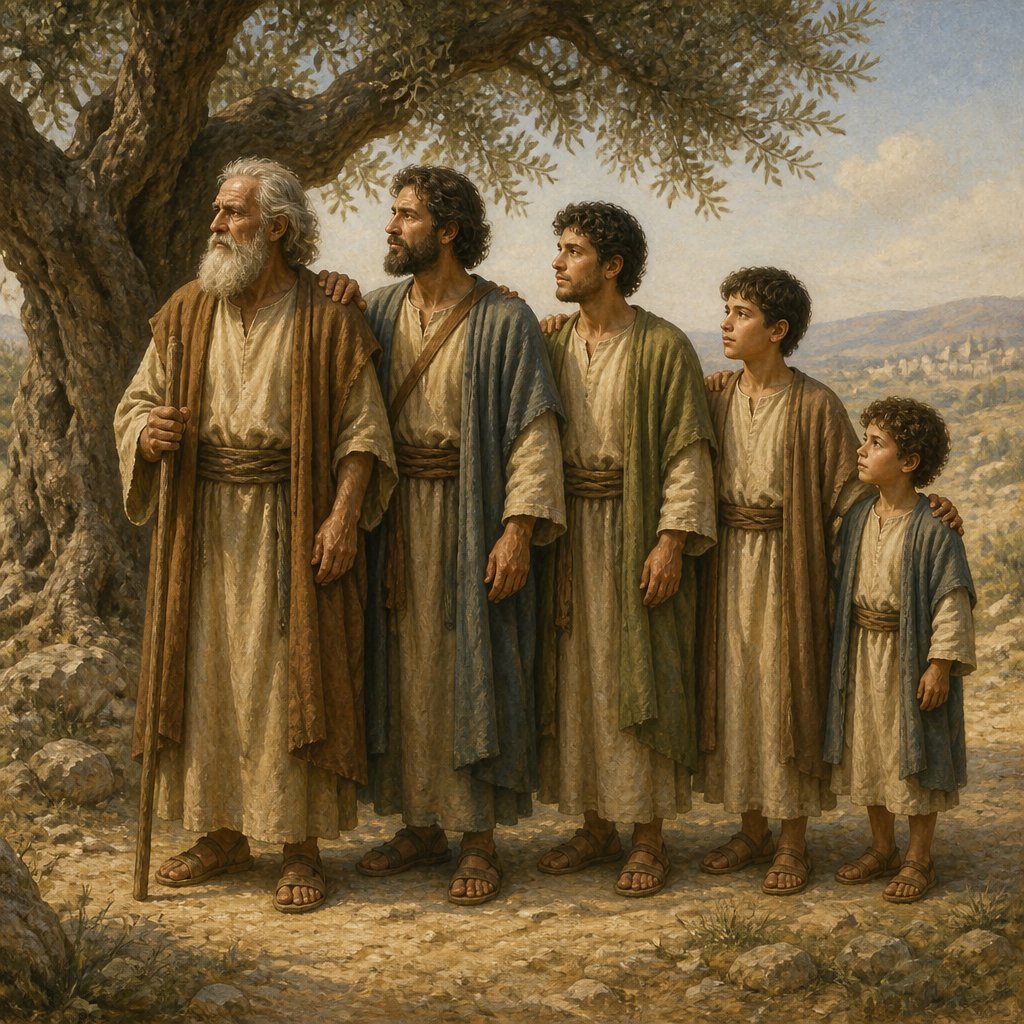
In the King James Version, Luke 3:33 reads, "Which was the son of Aminadab, which was the son of Aram, which was the son of Esrom, which was the son of Phares, which was the son of Juda." At first glance, this verse may seem like just another long list of names, but upon closer examination and in the context of the entire Bible, this verse carries significant meaning and serves a greater purpose in the grand narrative of salvation history.
Before delving deeper into the specific meaning of this verse, it is important to understand the context in which it falls. Luke 3:23-38 contains the genealogy of Jesus Christ, tracing His lineage all the way back to Adam, the first man created by God. In this genealogy, Luke meticulously lists the ancestors of Jesus, highlighting the lineage of the Messiah from Adam to Joseph, Jesus' legal father. The purpose of including this genealogy in the Gospel of Luke is to demonstrate Jesus' true humanity and to establish His rightful claim to the throne of David as the long-awaited King of Kings and Lord of Lords.
In Luke 3:33, the specific names mentioned are Aminadab, Aram, Esrom, Phares, and Juda. Each of these names represents a link in the chain of Jesus' ancestry, with each individual playing a part in the fulfillment of God's redemptive plan for humanity. Aminadab is a descendant of Judah, one of the sons of Jacob, and his mention in this genealogy is significant because it signifies the continuation of the line of Judah, from whom the Messiah was promised to come (Genesis 49:10). Aram, Esrom, and Phares are also mentioned in this verse as key figures in Jesus' genealogy, with their names carrying the weight of the history and promises of God's covenant with His people. Lastly, the mention of Juda serves as a reminder of the faithfulness of God to His covenant promises, as He preserved the lineage of Judah despite the many trials and tribulations faced by the people of Israel.
In addition to the historical and genealogical significance of this verse, there is also a deeper spiritual and symbolic meaning embedded within these names. In the Bible, names often carry great significance and reveal the character and destiny of individuals. In this genealogy, each name represents a story, a legacy, and a divine purpose that ultimately culminates in the birth of Jesus Christ, the Savior of the world. Their inclusion in this genealogy serves as a testament to God's faithfulness in preserving His chosen people and fulfilling His promises through the generations.
Furthermore, this verse serves as a reflection of the overarching theme of God's redemptive plan for humanity. Throughout the Bible, God works through ordinary individuals, flawed families, and unexpected circumstances to bring about His ultimate purpose of salvation. The inclusion of these names in Jesus' genealogy highlights the continuous thread of God's faithfulness and His unwavering commitment to His people, despite their weaknesses and shortcomings.
In conclusion, Luke 3:33 is not just a list of names, but rather a reflection of the divine providence and faithfulness of God throughout history. It serves as a reminder that every individual in Jesus' genealogy played a crucial role in the fulfillment of God's plan for salvation, and ultimately points to the birth of Jesus Christ, the long-awaited Messiah. This verse encourages us to consider our own place in God's redemptive plan and to recognize the significance of our own stories in the grand narrative of salvation history.
Get our apps


Artwork for Luke 3:33

Luke 3:33 - "Which was the son of Aminadab, which was the son of Aram, which was the son of Esrom, which was the son of Phares, which was the son of Juda,"
"Which was the son of Aminadab, which was the son of Aram, which was the son of Esrom, which was the son of Phares, which was the son of Juda," - Luke 3:33

Luke 3:3 - "And he came into all the country about Jordan, preaching the baptism of repentance for the remission of sins;"

Luke 7:33

Luke 14:25 - 33
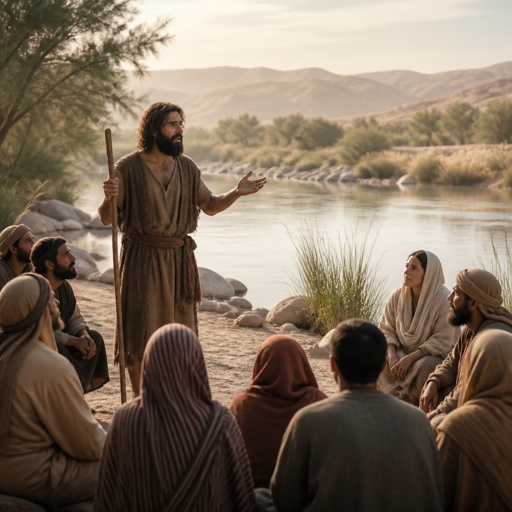
"And he came into all the country about Jordan, preaching the baptism of repentance for the remission of sins;" - Luke 3:3

Jeremiah 33:3

Jeremiah 33:3

Luke 21:33 - "Heaven and earth shall pass away: but my words shall not pass away."

Luke 20:33 - "Therefore in the resurrection whose wife of them is she? for seven had her to wife."

Luke 2:33 - "And Joseph and his mother marvelled at those things which were spoken of him."

Luke 4:33 - "¶ And in the synagogue there was a man, which had a spirit of an unclean devil, and cried out with a loud voice,"

Luke 1:33 - "And he shall reign over the house of Jacob for ever; and of his kingdom there shall be no end."

Ezekiel 33:3-9

Luke 19:33 - "And as they were loosing the colt, the owners thereof said unto them, Why loose ye the colt?"

Luke 18:33 - "And they shall scourge him, and put him to death: and the third day he shall rise again."

Luke 14:33 - "So likewise, whosoever he be of you that forsaketh not all that he hath, he cannot be my disciple."

Luke 22:33 - "And he said unto him, Lord, I am ready to go with thee, both into prison, and to death."

Luke 24:33 - "And they rose up the same hour, and returned to Jerusalem, and found the eleven gathered together, and them that were with them,"

Luke 13:33 - "Nevertheless I must walk to day, and to morrow, and the day following: for it cannot be that a prophet perish out of Jerusalem."

Luke 7:33 - "For John the Baptist came neither eating bread nor drinking wine; and ye say, He hath a devil."

Luke 8:33 - "Then went the devils out of the man, and entered into the swine: and the herd ran violently down a steep place into the lake, and were choked."

Luke 23:33 - "And when they were come to the place, which is called Calvary, there they crucified him, and the malefactors, one on the right hand, and the other on the left."

Luke 17:33 - "Whosoever shall seek to save his life shall lose it; and whosoever shall lose his life shall preserve it."

Luke 10:33 - "But a certain Samaritan, as he journeyed, came where he was: and when he saw him, he had compassion on him,"

Numbers 3:33 - "¶ Of Merari was the family of the Mahlites, and the family of the Mushites: these are the families of Merari."

Proverbs 3:33 - "¶ The curse of the LORD is in the house of the wicked: but he blesseth the habitation of the just."

Lamentations 3:33 - "For he doth not afflict willingly nor grieve the children of men."

Luke 6:33 - "And if ye do good to them which do good to you, what thank have ye? for sinners also do even the same."

Luke 14:33 (FBV) In the same way every one of you who doesn't give up everything can't be my disciple.