What does Luke 3:38 mean?
“Which was the son of Enos, which was the son of Seth, which was the son of Adam, which was the son of God.” — Luke 3:38
Luke 3:38 (KJV) reads, "Which was the son of Enos, which was the son of Seth, which was the son of Adam, which was the son of God."
This verse is part of the genealogy of Jesus as recorded in the Gospel of Luke. At first glance, it might seem like a simple list of names, but a closer examination reveals layers of meaning and significance. This verse is a reminder of the origin and lineage of humanity, tracing all the way back to Adam and ultimately to God Himself.
The genealogy of Jesus is an important theme in the Gospels because it establishes his rightful claim to the throne of David and his identity as the promised Messiah. In the context of Luke 3:38, the verse serves as a bridge between the human and divine, connecting the earthly lineage of Adam to the divine nature of God. It highlights the dual nature of Jesus as both fully human and fully divine, a foundational belief in Christian theology.
The mention of Adam in this verse also carries symbolic and theological significance. In the Bible, Adam is considered the first man, created by God in his own image and given dominion over the earth. His disobedience in the Garden of Eden resulted in the fall of humanity and the introduction of sin into the world. By tracing Jesus' lineage back to Adam, the verse emphasizes the connection between Jesus and all of humanity, reinforcing the idea that he came to redeem and restore what was lost in the fall.
Furthermore, the mention of Adam as the son of God underscores the biblical teaching that all humans are created in the image of God. It serves as a reminder of humanity's innate value and dignity, regardless of its fallen state. This concept is central to the Christian understanding of the inherent worth of every individual and the belief in the potential for redemption and restoration through Jesus Christ.
The genealogy presented in Luke 3:38 also aligns with the theme of salvation history, tracing the narrative of God's plan for redemption from the beginning of creation. By highlighting the connection between Jesus and Adam, the verse emphasizes the continuity of God's redemptive work throughout history. It communicates the overarching narrative of God's faithfulness and sovereignty, as well as the fulfillment of his promises through the coming of Jesus as the culmination of salvation history.
Additionally, the genealogy in Luke 3:38 reflects the theme of universal salvation and the inclusivity of God's redemptive plan. By tracing Jesus' lineage back to Adam, the verse emphasizes the universal scope of Jesus' redemptive work, extending to all of humanity. It conveys the message that Jesus came not only for a particular group or lineage but for all people, regardless of their background or heritage. This aligns with the biblical teaching that in Christ, there is no distinction between Jew and Gentile, slave and free, male and female (Galatians 3:28).
In summary, Luke 3:38 serves as a profound reminder of the interconnectedness of humanity with its divine origins, the redemptive work of Jesus in salvation history, and the universal scope of God's redemptive plan. It underscores the dual nature of Jesus as fully human and fully divine, his connection to Adam as the first man, and the fulfillment of God's promises through his coming. This verse offers a comprehensive and profound reflection on the theological themes of lineage, redemption, and the universal scope of God's redemptive plan.
Get our apps


Artwork for Luke 3:38

Luke 3:38 - "Which was the son of Enos, which was the son of Seth, which was the son of Adam, which was the son of God."

"Which was the son of Enos, which was the son of Seth, which was the son of Adam, which was the son of God." - Luke 3:38

Luke 6:27-38

Luke 6: 27-38

Luke 6:38 Give, and it will be given to you

Luke 5:38 - "But new wine must be put into new bottles; and both are preserved."

Luke 20:38 - "For he is not a God of the dead, but of the living: for all live unto him."

Luke 21:38 - "And all the people came early in the morning to him in the temple, for to hear him."

Luke 20:27-38. All people of color.

Luke 18:38 - "And he cried, saying, Jesus, thou Son of David, have mercy on me."

Luke 19:38 - "Saying, Blessed be the King that cometh in the name of the Lord: peace in heaven, and glory in the highest."
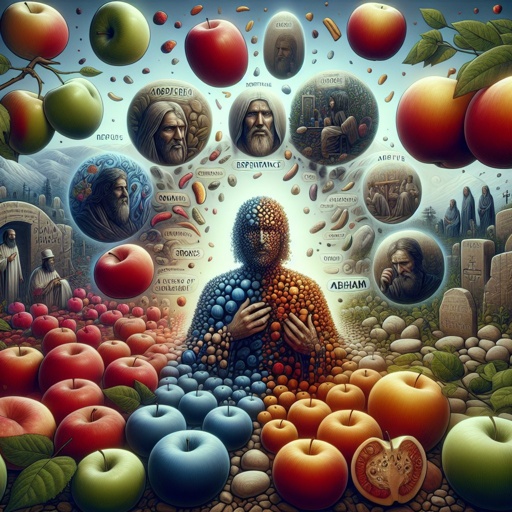
Luke 3:8 - "Bring forth therefore fruits worthy of repentance, and begin not to say within yourselves, We have Abraham to our father: for I say unto you, That God is able of these stones to raise up children unto Abraham."

Luke 22:38 - "And they said, Lord, behold, here are two swords. And he said unto them, It is enough."

Luke 23:38 - "And a superscription also was written over him in letters of Greek, and Latin, and Hebrew, THIS IS THE KING OF THE JEWS."

Luke 11:38 - "And when the Pharisee saw it, he marvelled that he had not first washed before dinner."

Ezekiel 38:1-3

Luke 24:38 - "And he said unto them, Why are ye troubled? and why do thoughts arise in your hearts?"

Luke 1:38 - "And Mary said, Behold the handmaid of the Lord; be it unto me according to thy word. And the angel departed from her."

Luke 12:38 - "And if he shall come in the second watch, or come in the third watch, and find them so, blessed are those servants."

Lamentations 3:38 - "Out of the mouth of the most High proceedeth not evil and good?"

Luke 2:38 - "And she coming in that instant gave thanks likewise unto the Lord, and spake of him to all them that looked for redemption in Jerusalem."

Luke 4:38 - "¶ And he arose out of the synagogue, and entered into Simon's house. And Simon's wife's mother was taken with a great fever; and they besought him for her."

Luke 10:38 - "¶ Now it came to pass, as they went, that he entered into a certain village: and a certain woman named Martha received him into her house."

Genesis 38:3 - "And she conceived, and bare a son; and he called his name Er."

Luke 8:38 - "Now the man out of whom the devils were departed besought him that he might be with him: but Jesus sent him away, saying,"

"For he is not a God of the dead, but of the living: for all live unto him." - Luke 20:38

Luke 9:38 - "And, behold, a man of the company cried out, saying, Master, I beseech thee, look upon my son: for he is mine only child."

"But new wine must be put into new bottles; and both are preserved." - Luke 5:38
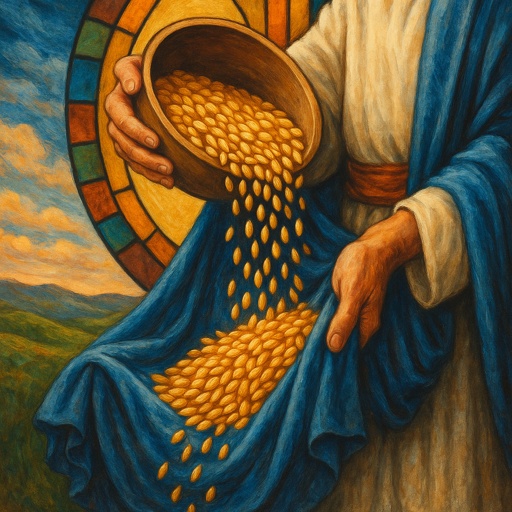
"Give, and it shall be given unto you; good measure, pressed down, and shaken together, and running over, shall men give into your bosom. For with the same measure that ye mete withal it shall be measured to you again." - Luke 6:38
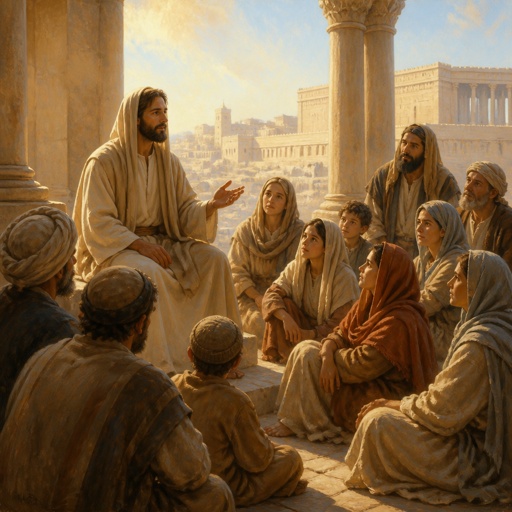
"And all the people came early in the morning to him in the temple, for to hear him." - Luke 21:38