What does Luke 3:7 mean?
“Then said he to the multitude that came forth to be baptized of him, O generation of vipers, who hath warned you to flee from the wrath to come?” — Luke 3:7
Luke 3:7 (KJV) reads: "Then said he to the multitude that came forth to be baptized of him, O generation of vipers, who hath warned you to flee from the wrath to come?"
This verse marks the beginning of the ministry of John the Baptist, a significant figure in the New Testament. John the Baptist is often regarded as the forerunner of Jesus Christ, preparing the way for his arrival and preaching a message of repentance and forgiveness.
The verse begins with John addressing a multitude that has come to be baptized by him in the Jordan River. Instead of offering a warm welcome or words of encouragement, John employs harsh language, calling the crowd a "generation of vipers." This confrontational approach sets the tone for John's ministry, as he does not shy away from addressing the sins and shortcomings of those who come to him seeking baptism.
The phrase "generation of vipers" carries significant symbolism. Vipers are venomous snakes known for their deceptive and dangerous nature. By using this term, John is condemning the people for their wickedness and their deceitful ways. This aligns with the theme of repentance and the need for a change of heart that is central to John's message.
John's question, "who hath warned you to flee from the wrath to come?" serves as a call to action for the crowd. It challenges them to reflect on their motives for seeking baptism and to consider the impending judgment and wrath of God. John's words are meant to stir a sense of urgency and compel the people to reevaluate their lives and seek true repentance.
The context of this verse is important to consider. John the Baptist emerged at a time when the people of Israel were longing for the promised Messiah. The religious and political climate was fraught with tension and uncertainty, and there was a deep-seated desire for deliverance and spiritual renewal. John's message resonated with this longing, as he called for a spiritual awakening and a turning away from sin in preparation for the coming Messiah.
The verse also reflects the prophetic tradition of calling the people of Israel to account for their actions. Throughout the Old Testament, prophets like Isaiah, Jeremiah, and Ezekiel condemned the people for their disobedience and sought to turn their hearts back to God. John the Baptist continues in this tradition, challenging the crowd to confront their spiritual complacency and embrace a renewed relationship with God.
While John's words may seem harsh, they are ultimately an expression of love and concern for the people. He desires to see them transformed and prepared for the arrival of the Messiah. The message of repentance and the promise of forgiveness that John offers are rooted in the hope of salvation and reconciliation with God.
In conclusion, Luke 3:7 (KJV) captures the essence of John the Baptist's ministry and the urgency of his message. It serves as a reminder of the timeless need for repentance and spiritual renewal, as well as the promise of redemption and the coming of the Messiah. The verse challenges us to confront our own sinfulness and embrace the call to turn back to God. It also points to the profound love and grace of God, who offers forgiveness and salvation to all who seek him with a sincere heart.
Get our apps


Artwork for Luke 3:7

Luke 3:7 - "Then said he to the multitude that came forth to be baptized of him, O generation of vipers, who hath warned you to flee from the wrath to come?"

"Then said he to the multitude that came forth to be baptized of him, O generation of vipers, who hath warned you to flee from the wrath to come?" - Luke 3:7

Luke 7:3 - "And when he heard of Jesus, he sent unto him the elders of the Jews, beseeching him that he would come and heal his servant."

Luke 7:33

Luke 7:50

Luke 7:50

Luke 7:36-50

Luke 7:41-47

Luke 15: 4-7

Luke 7:36–50

Luke 20:7 - "And they answered, that they could not tell whence it was."

Luke 7:35 - "But wisdom is justified of all her children."

luke 3:1-6

Luke 3:1-6

Luke 3:1-6

Luke 3:3 - "And he came into all the country about Jordan, preaching the baptism of repentance for the remission of sins;"

Luke 7:18 - "And the disciples of John shewed him of all these things."

Luke 7:23 - "And blessed is he, whosoever shall not be offended in me."

Luke 7:7 - "Wherefore neither thought I myself worthy to come unto thee: but say in a word, and my servant shall be healed."

Luke 24:3 - "And they entered in, and found not the body of the Lord Jesus."

Luke 7:48 - "And he said unto her, Thy sins are forgiven."

Luke 22:7 - "¶ Then came the day of unleavened bread, when the passover must be killed."

Luke 4:7 - "If thou therefore wilt worship me, all shall be thine."

Luke 3:6 - "And all flesh shall see the salvation of God."

Luke 15:3 - "¶ And he spake this parable unto them, saying,"

Luke 8:7 - "And some fell among thorns; and the thorns sprang up with it, and choked it."
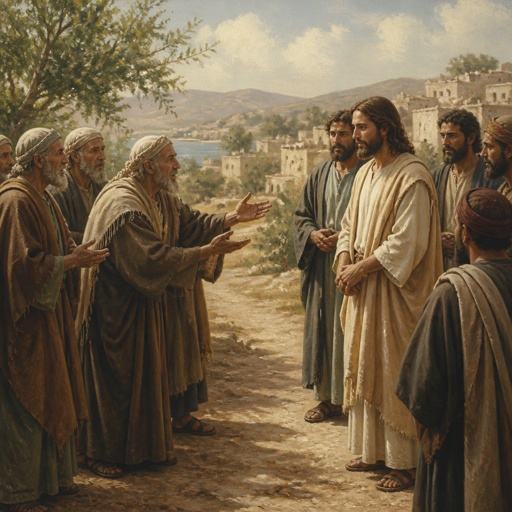
"And when he heard of Jesus, he sent unto him the elders of the Jews, beseeching him that he would come and heal his servant." - Luke 7:3
![Luke 2:3 NIV
[3] And everyone went to their own town to register.](https://media.bible.art/624b3d4a-2c40-4bf2-bc2f-1d6418c32a14-thumbnail.jpg)
Luke 2:3 NIV [3] And everyone went to their own town to register.

Luke 7:5 - "For he loveth our nation, and he hath built us a synagogue."

Luke 11:3 - "Give us day by day our daily bread."