What does Luke 3:12 mean?
“Then came also publicans to be baptized, and said unto him, Master, what shall we do?” — Luke 3:12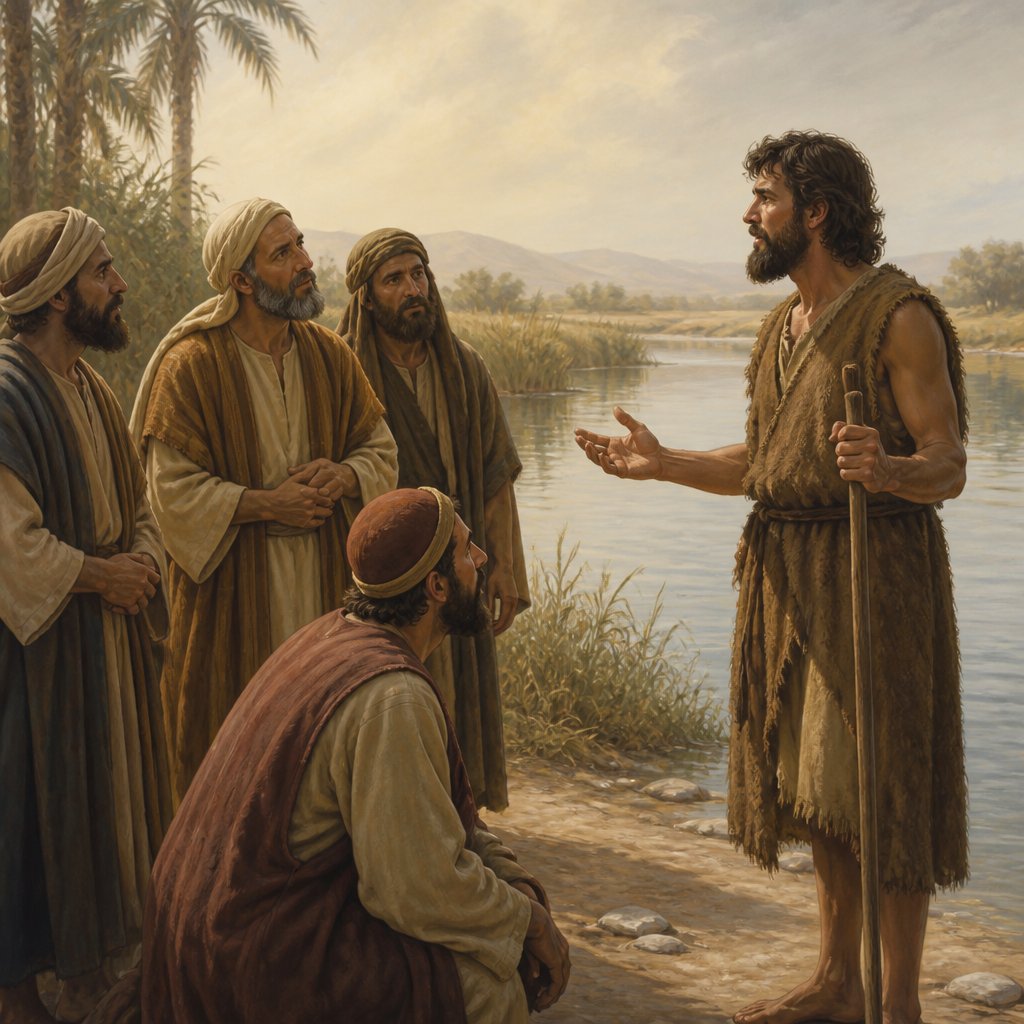
The Bible verse Luke 3:12 from the King James Version (KJV) reads: "Then came also publicans to be baptized, and said unto him, Master, what shall we do?" This verse appears in the context of John the Baptist's ministry of baptizing people for the remission of their sins in the Jordan River.
To fully understand the meaning and significance of this verse, it's important to consider its themes, context, and symbolism. One of the primary themes in this verse is the theme of repentance and forgiveness of sins. The publicans, who were tax collectors, approached John the Baptist seeking to be baptized. This is significant because tax collectors were generally seen as corrupt and unjust in those times. Their profession often led them to exploit and mistreat others for their own financial gain. However, in approaching John, the publicans demonstrate a desire for repentance and a change of heart.
The context of this verse is also important to consider. John the Baptist was a significant figure in the New Testament and is known for his role in preparing the way for the coming of Jesus Christ. He preached a message of repentance and called people to turn away from their sinful ways. John's baptism was a symbol of repentance and a commitment to live a life in obedience to God.
The symbolism in this verse is related to the transformation and renewal that comes through repentance and forgiveness. The publicans, by seeking baptism, acknowledge their need for a change of heart and a desire to be forgiven for their sins. The act of baptism represents a willingness to turn away from sin and be cleansed from its effects. It is a public declaration of a desire to live a life that is pleasing to God.
In addition to the themes, context, and symbolism, it's also important to understand the broader message of this verse in the larger context of the Bible. Throughout the Bible, there are numerous examples of individuals who have experienced transformation and renewal through repentance and forgiveness. The story of the publicans seeking to be baptized serves as a reminder that no one is beyond the reach of God's grace. Regardless of one's past mistakes or shortcomings, there is always an opportunity for forgiveness and a fresh start through repentance.
Furthermore, this verse can also be seen as a call to action for all believers. Just as the publicans asked "Master, what shall we do?" after seeking baptism, this verse challenges us to consider how our own lives should reflect our commitment to God. It prompts us to ask what steps we should take to live in alignment with God's will and to demonstrate our faith through our actions.
In conclusion, Luke 3:12 from the King James Version offers a powerful message about repentance and forgiveness. It serves as a reminder of the transformation and renewal that comes through seeking forgiveness and committing to live a life that is pleasing to God. The verse also challenges believers to consider how their own lives can reflect their commitment to God. Ultimately, this verse emphasizes the universal need for repentance and the opportunity for transformation that is available to all who seek forgiveness.
Get our apps


Artwork for Luke 3:12

Luke 3:12 - "Then came also publicans to be baptized, and said unto him, Master, what shall we do?"

"Then came also publicans to be baptized, and said unto him, Master, what shall we do?" - Luke 3:12

Luke 12:3 - "Therefore whatsoever ye have spoken in darkness shall be heard in the light; and that which ye have spoken in the ear in closets shall be proclaimed upon the housetops."

Luke 12:25
Luke 12:25

Luke 12: 49

Luke 12:34

Luke 12:10

Luke 12:50

Luke 12:12 - "For the Holy Ghost shall teach you in the same hour what ye ought to say."

Luke 1:11-12

Luke 12:25-26

Luke 12:25-26

Luke 12:25-26

Luke 12:25-26
Luke 12:25-26

Luke 12:25-26

Luke 1:11-12

Luke 12:25-26

Luke 1:11-12

Luke 1:11-12

Luke 12:34 - "For where your treasure is, there will your heart be also."

luke 3:1-6

Luke 3:1-6

Luke 3:1-6

Luke 3:3 - "And he came into all the country about Jordan, preaching the baptism of repentance for the remission of sins;"

Luke 12:23 - "The life is more than meat, and the body is more than raiment."

Luke 12:57 - "Yea, and why even of yourselves judge ye not what is right?"

Luke 12:35 - "Let your loins be girded about, and your lights burning;"

Luke 12:2 - "For there is nothing covered, that shall not be revealed; neither hid, that shall not be known."