What does Luke 4:9 mean?
“And he brought him to Jerusalem, and set him on a pinnacle of the temple, and said unto him, If thou be the Son of God, cast thyself down from hence:” — Luke 4:9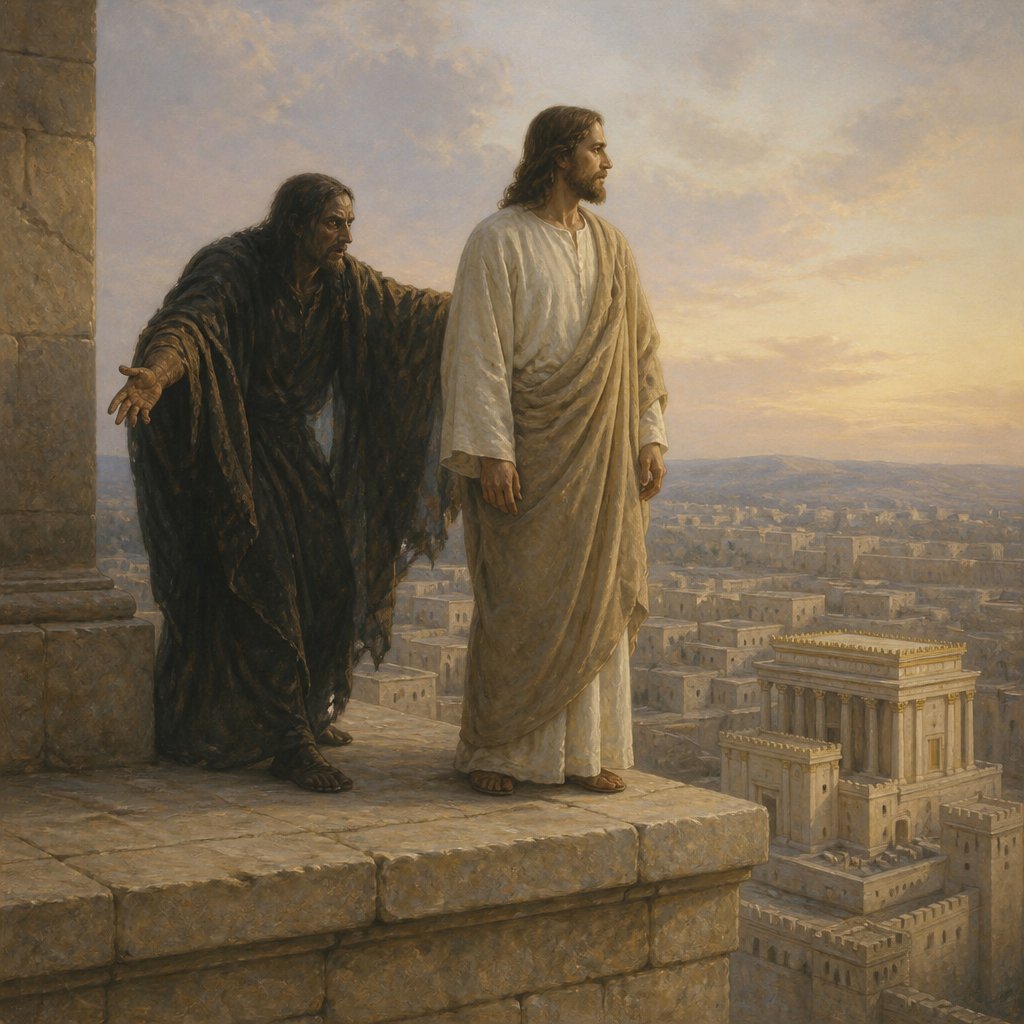
Luke 4:9 (KJV) states, "And he brought him to Jerusalem, and set him on a pinnacle of the temple, and said unto him, If thou be the Son of God, cast thyself down from hence." This verse is found in the New Testament of the Bible and is part of the account of Jesus' temptation in the wilderness.
In this verse, Jesus is being tempted by the devil, who takes him to the highest point of the temple in Jerusalem and suggests that Jesus should throw himself down in order to prove that he is the Son of God. This temptation is part of a series of three temptations that Jesus faces in the wilderness as he prepares for his ministry.
The passage holds a significant amount of symbolism and meaning. Firstly, it speaks to the concept of testing and temptation. Throughout the Bible, there are numerous stories of individuals being tested and tempted, and how they respond to these challenges often reveals their character and faith. In this instance, Jesus is being tested to see if he will succumb to the devil's temptation or remain faithful to his mission and purpose.
The location of the temptation is also important. The pinnacle of the temple in Jerusalem was considered to be a place of great spiritual and religious significance. It was where the people of Israel would come to worship and seek God. By taking Jesus to this particular location, the devil is not only testing Jesus' faith but also attempting to undermine his authority and divine mission.
The devil's suggestion for Jesus to cast himself down from the pinnacle is a direct challenge to Jesus' identity as the Son of God. By doing so, the devil is essentially asking Jesus to perform a miracle to prove that he is who he claims to be. However, Jesus recognizes the insidious nature of this temptation and responds by quoting Scripture, stating, "Thou shalt not tempt the Lord thy God" (Luke 4:12, KJV).
This verse also highlights the theme of faith and trust in God. Rather than giving in to the devil's demands and attempting to prove himself through a miraculous act, Jesus displays unwavering faith in God and his divine purpose. He understands that his identity and authority do not need to be proven through such means, as he is secure in his relationship with God.
Furthermore, this passage emphasizes the importance of knowing and understanding the Scriptures. Jesus' response to the devil's temptation is to quote Scripture, specifically from Deuteronomy 6:16. By doing so, he demonstrates the power and authority of God's word in resisting temptation and deception.
In a broader context, this verse serves as a reminder of the spiritual warfare that exists in the world. As believers, we are constantly faced with temptations and challenges that seek to pull us away from our faith and relationship with God. Like Jesus, we are called to rely on the strength and guidance of God's word to navigate and overcome these trials.
Overall, Luke 4:9 conveys a powerful message about the nature of temptation, the importance of faith and trust in God, and the significance of knowing and applying Scripture in the face of spiritual challenges. It serves as a source of encouragement and inspiration for believers as they seek to remain steadfast in their faith and resist the devices of the enemy.
Get our apps


Artwork for Luke 4:9

Luke 4:9 - "And he brought him to Jerusalem, and set him on a pinnacle of the temple, and said unto him, If thou be the Son of God, cast thyself down from hence:"
"And he brought him to Jerusalem, and set him on a pinnacle of the temple, and said unto him, If thou be the Son of God, cast thyself down from hence:" - Luke 4:9

Luke 9:4 - "And whatsoever house ye enter into, there abide, and thence depart."
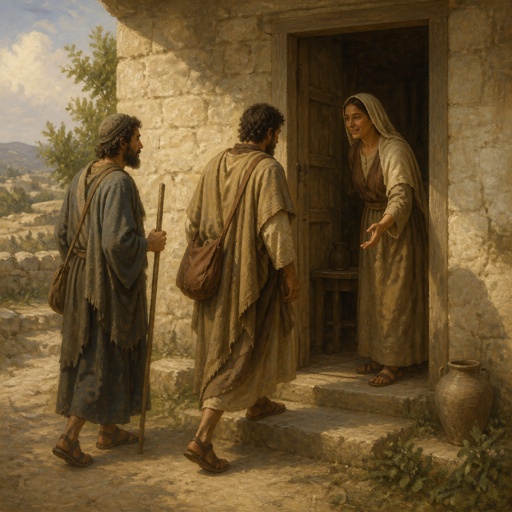
"And whatsoever house ye enter into, there abide, and thence depart." - Luke 9:4
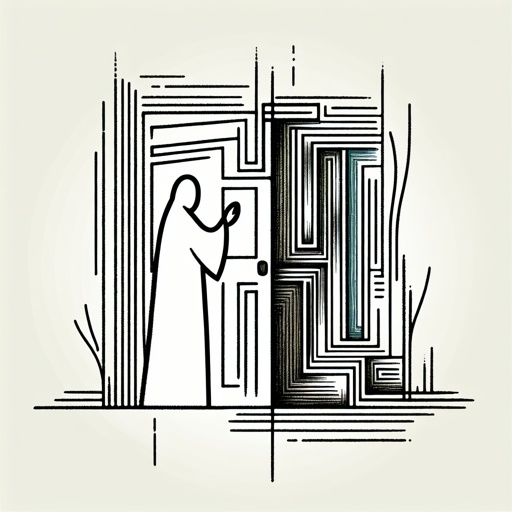
Luke 11:9

luke 9:30

luke 9:35

luke 9:35

Luke 9:51

Luke 11:9

Luke 9:54-55

Luke 18:9-14

Luke 9:28-45

Luke 11:9-10

Luke 13:6-9

Luke 18: 9-14

luke 9:29- 30

Luke 4:29

Luke 4:18

luke 4:16

Luke 4:18

Luke 9:9 - "And Herod said, John have I beheaded: but who is this, of whom I hear such things? And he desired to see him."

Luke 8:4-18

Luke 15: 4-7

Luke 4:19 - "To preach the acceptable year of the Lord."

Luke 4:44 - "And he preached in the synagogues of Galilee."

Luke 9:15 - "And they did so, and made them all sit down."

Black and white illustration Luke 11:9

Black and white illustration Luke 11:9

Black and white illustration Luke 11:9