What does Luke 5:20 mean?
“And when he saw their faith, he said unto him, Man, thy sins are forgiven thee.” — Luke 5:20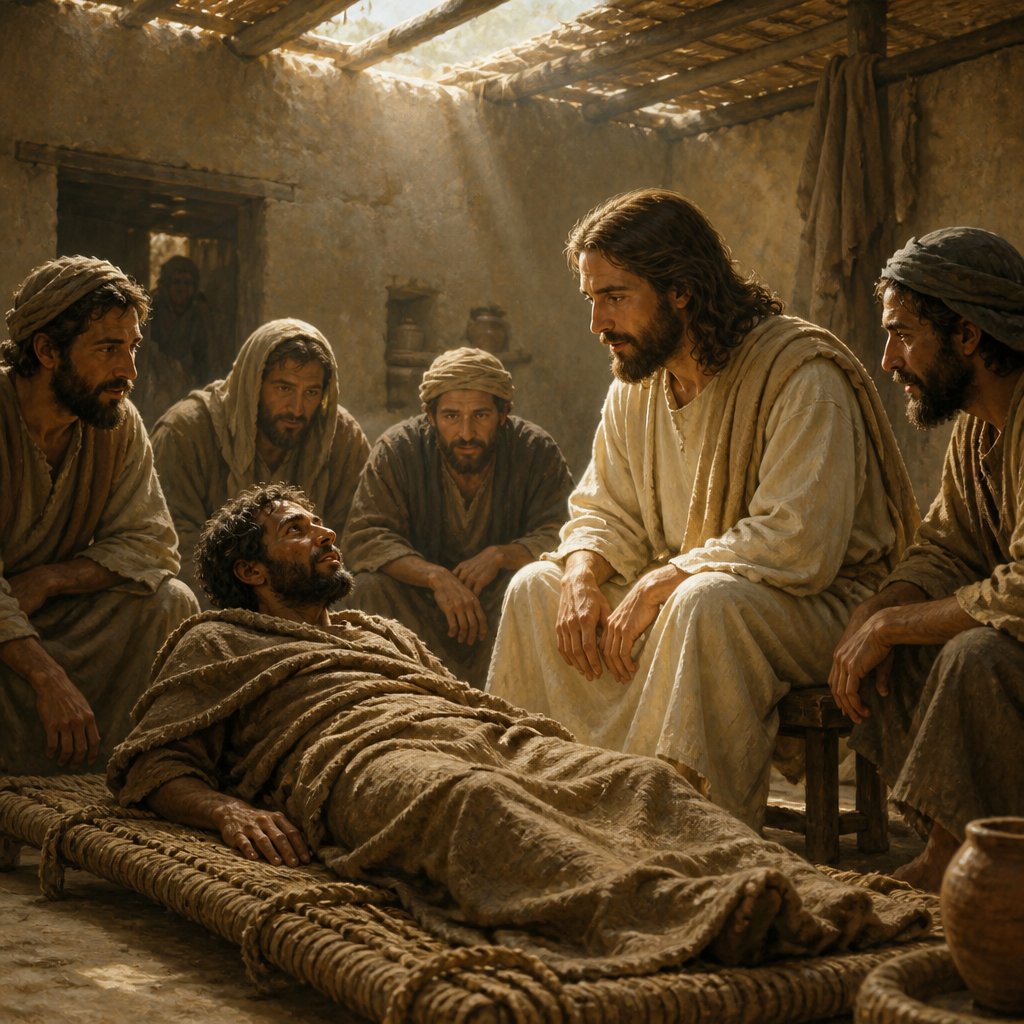
The verse Luke 5:20 in the King James Version of the Bible states, "And when he saw their faith, he said unto him, Man, thy sins are forgiven thee."
This verse comes from the story of Jesus healing a paralyzed man. In this verse, Jesus is acknowledging the faith of the friends who brought the paralyzed man to him for healing. The friends demonstrated their faith by believing that Jesus could heal their friend, and their actions showed their dedication and determination to bring the man to Jesus. This passage illustrates the importance of faith in Jesus' ministry and the power of faith to move Jesus to action.
The context of this verse is crucial for understanding its significance. In the preceding verses, the crowd had gathered to hear Jesus teach. The religious leaders of the time were also present, and they were skeptical of Jesus' authority and power. As Jesus spoke, some men arrived, carrying a paralyzed man on a mat and seeking Jesus' help. However, they could not get near Jesus because of the crowd. Undeterred, they climbed onto the roof of the house where Jesus was teaching, removed some tiles, and lowered the paralyzed man down to Jesus. This demonstrates the extraordinary lengths to which these men went in order to bring their friend to Jesus for healing, and it emphasizes their faith in Jesus' ability to bring about a miraculous change.
When Jesus saw the faith of the friends, he responded by forgiving the paralyzed man's sins. This declaration of forgiveness shocked the religious leaders, who questioned Jesus' authority to forgive sins. Jesus' response was to demonstrate his authority to forgive sins by healing the man, which further emphasized the importance of faith in Jesus' ministry.
This verse carries several important themes, one of the most prominent being the theme of faith. The friends showed unwavering faith and determination to bring their paralyzed friend to Jesus, and Jesus responded to their faith by healing the man. This demonstrates the power of faith in Jesus' ministry and the way in which faith can move Jesus to act. It also highlights Jesus' authority to forgive sins, which was an important aspect of his ministry and message.
Another important theme in this verse is the idea of forgiveness. Jesus' declaration that the paralyzed man's sins were forgiven illustrates the central message of the gospel, which is the forgiveness of sins through faith in Jesus. By declaring the man's sins forgiven, Jesus was demonstrating his power to bring about spiritual healing and reconciliation with God, which is a central aspect of his ministry.
In terms of symbolism, the paralyzed man can be seen as a representation of all humanity in need of spiritual healing and forgiveness. The faith of the friends represents the role of the community in bringing people to Jesus for healing and restoration. Additionally, the house where Jesus was teaching can be seen as a symbol of the church, where people can encounter Jesus and find healing and forgiveness. The roof being opened and the paralyzed man being lowered down can also be interpreted as a symbol of the way in which people must overcome obstacles and traditional barriers in order to encounter Jesus and experience his healing power.
In conclusion, Luke 5:20 in the King James Version of the Bible is a powerful and significant verse that highlights the themes of faith, forgiveness, and the authority of Jesus. It emphasizes the importance of faith in Jesus' ministry and the power of faith to move Jesus to action. The passage also illustrates the central message of the gospel, which is the forgiveness of sins through faith in Jesus. The context and symbolism of this verse further enhance its significance and make it a meaningful and impactful part of the gospel narrative.
Get our apps


Artwork for Luke 5:20

Luke 5:20 - "And when he saw their faith, he said unto him, Man, thy sins are forgiven thee."

Luke 5:20-21 - "When Jesus saw their faith, he said, “Friend, your sins are forgiven.” The Pharisees and the teachers of the law began thinking to themselves, “Who is this fellow who speaks blasphemy? Who can forgive sins but God alone?”"
"And when he saw their faith, he said unto him, Man, thy sins are forgiven thee." - Luke 5:20
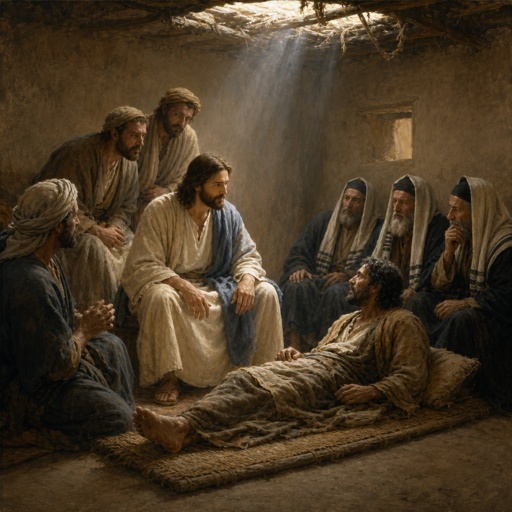
"When Jesus saw their faith, he said, “Friend, your sins are forgiven.” The Pharisees and the teachers of the law began thinking to themselves, “Who is this fellow who speaks blasphemy? Who can forgive sins but God alone?”" - Luke 5:20-21
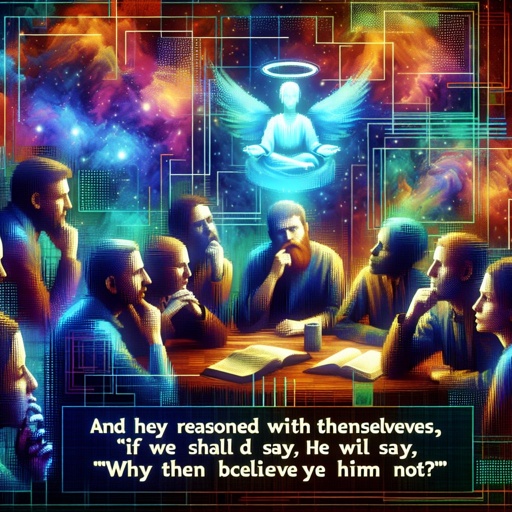
Luke 20:5 - "And they reasoned with themselves, saying, If we shall say, From heaven; he will say, Why then believed ye him not?"

Luke 13:20-21

Luke 13:20-21

Luke 13:20-21

Luke 13:20-21

Luke 13:20-21

luke 5:5

Luke 20:28
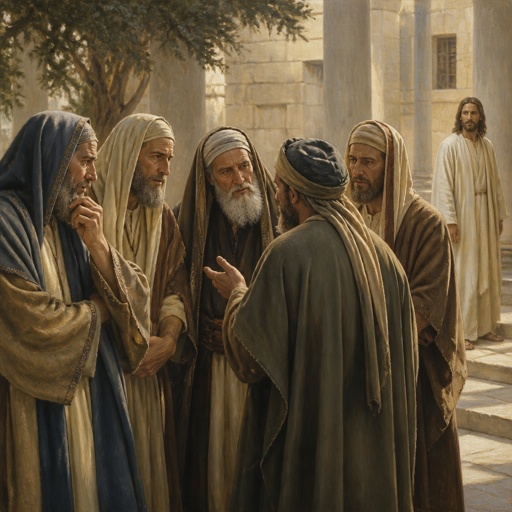
"And they reasoned with themselves, saying, If we shall say, From heaven; he will say, Why then believed ye him not?" - Luke 20:5

Luke 2:1-20

Luke 20:7 - "And they answered, that they could not tell whence it was."

Luke 10:5

Luke 10:5

Luke 10:5

Luke 20:32 - "Last of all the woman died also."
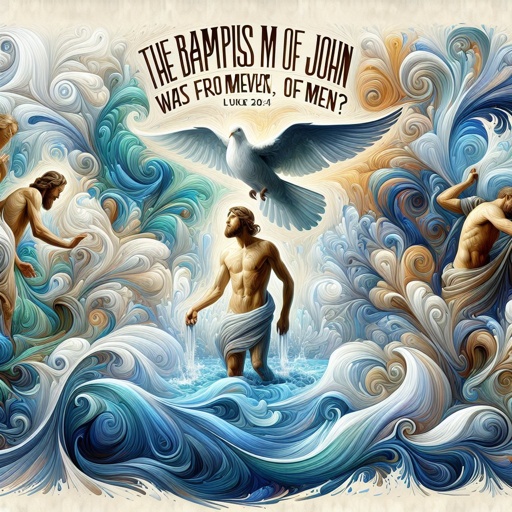
Luke 20:4 - "The baptism of John, was it from heaven, or of men?"

Luke 20:22 - "Is it lawful for us to give tribute unto Caesar, or no?"

Luke 5:36

Luke 5:39

Luke 20:30 - "And the second took her to wife, and he died childless."

Luke 20:40 - "And after that they durst not ask him any question at all."

Luke 20:43 - "Till I make thine enemies thy footstool."

Luke 20:45 - "¶ Then in the audience of all the people he said unto his disciples,"

Luke 20:38 - "For he is not a God of the dead, but of the living: for all live unto him."

Luke 23:20 - "Pilate therefore, willing to release Jesus, spake again to them."

Genesis 20-5