What does Luke 5:20-21 mean?
“And when he saw their faith, he said unto him, Man, thy sins are forgiven thee. And the scribes and the Pharisees began to reason, saying, Who is this which speaketh blasphemies? Who can forgive sins, but God alone?” — Luke 5:20-21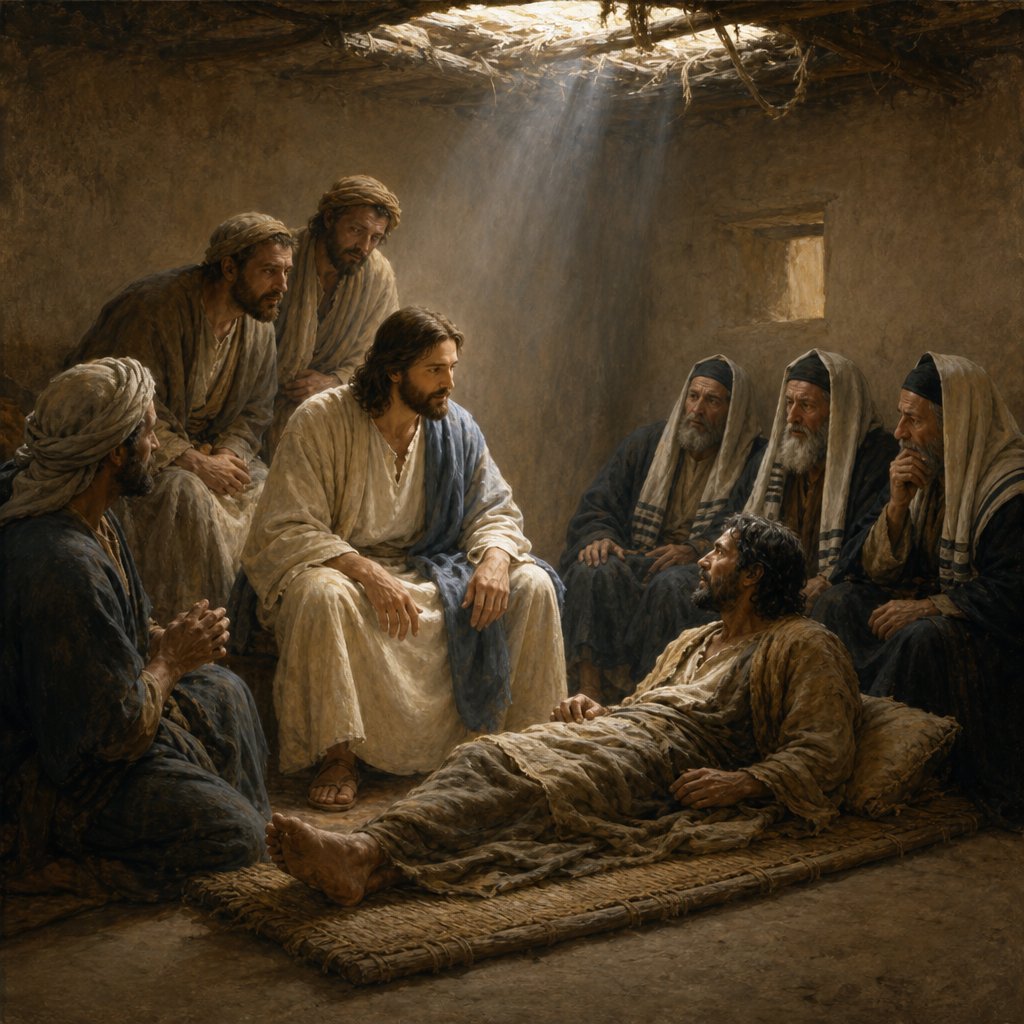
Luke 5:20-21 in the King James Version of the Bible reads, "And when he saw their faith, he said unto him, Man, thy sins are forgiven thee. And the scribes and the Pharisees began to reason, saying, Who is this which speaketh blasphemies? Who can forgive sins, but God alone?" This verse is part of the larger narrative in the Gospel of Luke where Jesus performs a miraculous healing and forgives the sins of a paralyzed man.
The themes present in this particular passage are faith, forgiveness, and the authority of Jesus. The context in which this verse occurs is crucial to understanding its significance. Jesus had been teaching and performing miracles throughout Galilee, gaining a reputation as a powerful and compassionate healer. In this specific story, Jesus is inside a house teaching, and a large crowd gathers to hear him. Some men have brought their paralyzed friend on a mat, hoping that Jesus will heal him. However, because of the crowd, they are unable to bring the man close to Jesus. Undeterred, they climb onto the roof, remove some tiles, and lower their friend down in front of Jesus. Seeing their faith and determination, Jesus tells the paralyzed man that his sins are forgiven.
This act of forgiveness speaks not only to the healing of the man's physical ailment but also to the restoration of his relationship with God. In Jewish culture at the time, illness or disability was often associated with sin or wrongdoing. By forgiving the man's sins, Jesus is addressing the root spiritual cause of his paralysis. This demonstrates the depth of Jesus' compassion and the transformative power of forgiveness.
The response of the scribes and Pharisees, the religious leaders of the time, is also significant. They accuse Jesus of blasphemy, as only God was believed to have the authority to forgive sins. This sets up a conflict between the traditional religious authorities and the radical teachings of Jesus. It also highlights the theme of Jesus' divine authority, as he demonstrates that he has the power to forgive sins and perform miracles, signifying his identity as the Son of God.
The symbolism in this passage is powerful. The paralyzed man can be seen as representative of all of humanity, spiritually paralyzed by sin and in need of forgiveness and healing. The actions of the man's friends, who go to great lengths to bring him to Jesus, represent the role of the Christian community in bringing others to Christ for spiritual healing.
The forgiveness of sins by Jesus also points to the central message of the Gospel – that through faith in Christ, all people can be reconciled to God and experience spiritual healing and renewal. This message is central to the Christian faith and is encapsulated in the act of forgiveness in this passage.
In conclusion, Luke 5:20-21 is a powerful and significant passage in the Gospel of Luke that conveys the themes of faith, forgiveness, and the authority of Jesus. The context and symbolism of the healing and forgiveness of the paralyzed man demonstrate the transformative power of Christ and the radical nature of his teachings. This passage challenges us to consider the depth of our faith, the need for forgiveness, and the authority of Jesus in our lives.
Get our apps


Artwork for Luke 5:20-21

Luke 5:20-21 - "When Jesus saw their faith, he said, “Friend, your sins are forgiven.” The Pharisees and the teachers of the law began thinking to themselves, “Who is this fellow who speaks blasphemy? Who can forgive sins but God alone?”"
"When Jesus saw their faith, he said, “Friend, your sins are forgiven.” The Pharisees and the teachers of the law began thinking to themselves, “Who is this fellow who speaks blasphemy? Who can forgive sins but God alone?”" - Luke 5:20-21

Luke 13:20-21

Luke 13:20-21
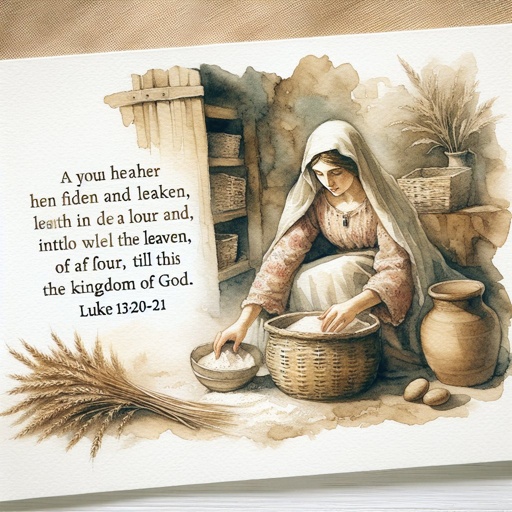
Luke 13:20-21

Luke 13:20-21

Luke 13:20-21

luke 21:5-19

Luke 21:20 - "And when ye shall see Jerusalem compassed with armies, then know that the desolation thereof is nigh."

Luke 5:20 - "And when he saw their faith, he said unto him, Man, thy sins are forgiven thee."

luke 21:5-19 with all people of color

luke 21:5-19 with all people of color

luke 21:5-19 with all people of color

luke 21:5-19 with all people of color

Luke 21:5 - "¶ And as some spake of the temple, how it was adorned with goodly stones and gifts, he said,"
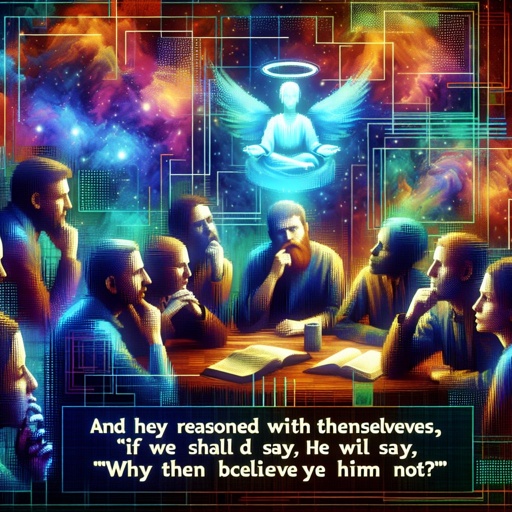
Luke 20:5 - "And they reasoned with themselves, saying, If we shall say, From heaven; he will say, Why then believed ye him not?"

Luke 5:21 - "And the scribes and the Pharisees began to reason, saying, Who is this which speaketh blasphemies? Who can forgive sins, but God alone?"

Luke 20:21 - "And they asked him, saying, Master, we know that thou sayest and teachest rightly, neither acceptest thou the person of any, but teachest the way of God truly:"
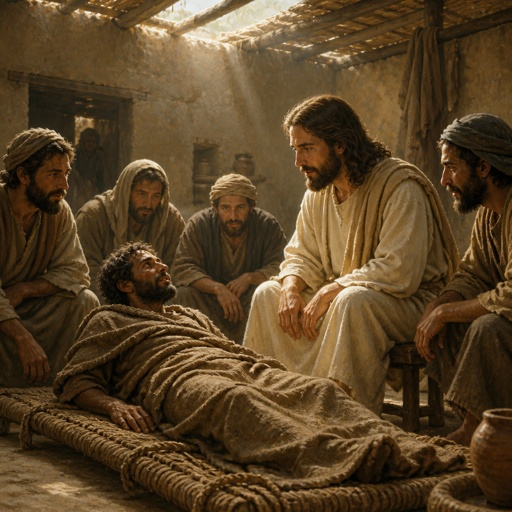
"And when he saw their faith, he said unto him, Man, thy sins are forgiven thee." - Luke 5:20
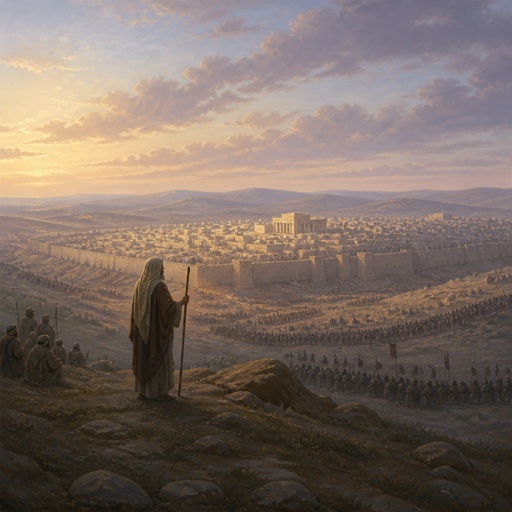
"And when ye shall see Jerusalem compassed with armies, then know that the desolation thereof is nigh." - Luke 21:20

Romans 5:20-21 - "The law was brought in so that the trespass might increase. But where sin increased, grace increased all the more, so that, just as sin reigned in death, so also grace might reign through righteousness to bring eternal life through Jesus Christ our Lord."
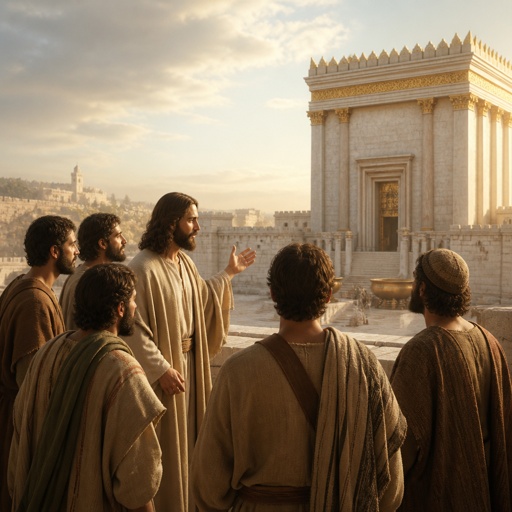
"¶ And as some spake of the temple, how it was adorned with goodly stones and gifts, he said," - Luke 21:5

Luke 15:21

Luke 21:24

Luke 15:21

luke 5:5

Luke 20:28
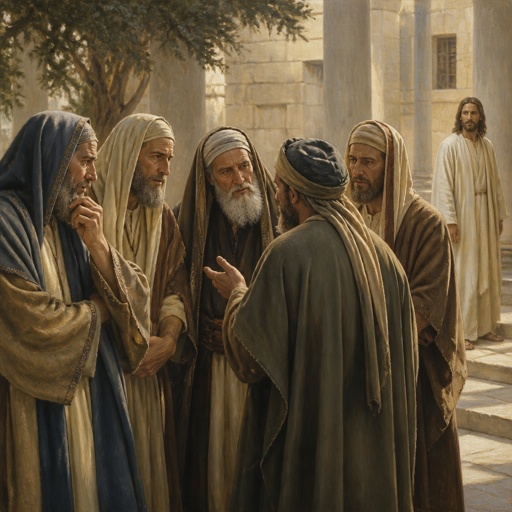
"And they reasoned with themselves, saying, If we shall say, From heaven; he will say, Why then believed ye him not?" - Luke 20:5

Genesis 21-20

John 20:21