What does Luke 6:23 mean?
“Rejoice ye in that day, and leap for joy: for, behold, your reward is great in heaven: for in the like manner did their fathers unto the prophets.” — Luke 6:23
Luke 6:23 (KJV) says, "Rejoice ye in that day, and leap for joy: for, behold, your reward is great in heaven: for in the like manner did their fathers unto the prophets."
This verse is part of Jesus' teachings in the Sermon on the Plain, which is a parallel passage to the more famous Sermon on the Mount found in the book of Matthew. In Luke's Gospel, Jesus delivers this sermon to a large crowd of people, offering them instructions on how to live as his disciples. In this particular verse, Jesus is speaking directly to his followers about the persecution they will face for their faith, and how they should respond to it.
The theme of persecution and the response of the believer to persecution is central to this passage. Jesus is preparing his followers for the trials they will face as they live out their faith. He warns them that following him will not be easy, and that they will experience opposition and suffering because of their commitment to him. However, rather than succumbing to fear or despair in the face of persecution, Jesus encourages his followers to rejoice and leap for joy. This seemingly paradoxical response reflects the radical nature of the kingdom of God, which turns conventional wisdom and societal expectations on their head. The Christian response to suffering and persecution is not one of defeat or resignation, but one of joy and hope.
The promise of a great reward in heaven is the reason for this radical response to persecution. Jesus assures his followers that their suffering will not go unnoticed or unrewarded. While they may face hardship and opposition in this life, their ultimate reward is in heaven. This promise of future reward serves as a source of hope and encouragement for believers as they navigate the challenges of living out their faith in a world that is often hostile to their beliefs.
The reference to the prophets in the latter part of the verse serves to contextualize the believer's experience of persecution within the broader narrative of God's people throughout history. The prophets of the Old Testament were often persecuted and rejected for their faithful witness to God. By invoking the prophets, Jesus is reminding his followers that they are part of a long line of faithful witnesses who have experienced similar trials. This serves to encourage and validate the experiences of those who are facing persecution for their faith, assuring them that they are in good company.
Symbolically, the act of leaping for joy in the face of persecution can be seen as an outward expression of inward trust and confidence in God's faithfulness. It is a demonstration of unwavering faith and hope in the midst of adversity. This radical response to suffering sets the believer apart from the world, demonstrating the transformative power of the gospel in the life of the believer.
In conclusion, Luke 6:23 (KJV) offers a powerful and challenging message to believers about how to respond to persecution. It calls for a radical reorientation of perspective, choosing joy and hope in the midst of suffering, and placing ultimate trust in the promise of God's reward. This verse serves as a source of encouragement and inspiration for believers facing persecution, reminding them of their identity as members of God's kingdom and the ultimate hope they have in Christ.
Get our apps


Artwork for Luke 6:23

Luke 6:23 - "Rejoice ye in that day, and leap for joy: for, behold, your reward is great in heaven: for in the like manner did their fathers unto the prophets."

"Rejoice ye in that day, and leap for joy: for, behold, your reward is great in heaven: for in the like manner did their fathers unto the prophets." - Luke 6:23

Luke 23:6 - "When Pilate heard of Galilee, he asked whether the man were a Galilaean."
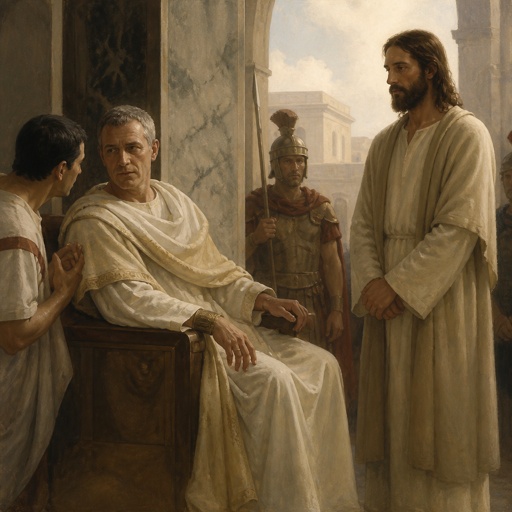
"When Pilate heard of Galilee, he asked whether the man were a Galilaean." - Luke 23:6

Luke 23:53

Luke 19:23

luke 11:23

Luke 19:23

luke 11:23

Luke 15:23

luke 11:23

luke 11:23

Luke 23:54 - "And that day was the preparation, and the sabbath drew on."

Luke 23:23 - "And they were instant with loud voices, requiring that he might be crucified. And the voices of them and of the chief priests prevailed."

Luke 23:24 - "And Pilate gave sentence that it should be as they required."

Matthew 6:23

Luke 23:45 - "And the sun was darkened, and the veil of the temple was rent in the midst."

Luke 7:23 - "And blessed is he, whosoever shall not be offended in me."

Luke 23:21 - "But they cried, saying, Crucify him, crucify him."

Luke 6

Luke 23:16 - "I will therefore chastise him, and release him."

Luke 23:37 - "And saying, If thou be the king of the Jews, save thyself."

Luke 23:10 - "And the chief priests and scribes stood and vehemently accused him."

Luke 23:52 - "This man went unto Pilate, and begged the body of Jesus."

Luke 11:23 - "He that is not with me is against me: and he that gathereth not with me scattereth."

Luke 23:1 - "And the whole multitude of them arose, and led him unto Pilate."

Luke 23:20 - "Pilate therefore, willing to release Jesus, spake again to them."

Romans 6:23

Romans 6:23

luke 6:30